Five teenagers killed in Ireland while filming TikTok video — driving into oncoming traffic on motorway
USD 21,59
Popular
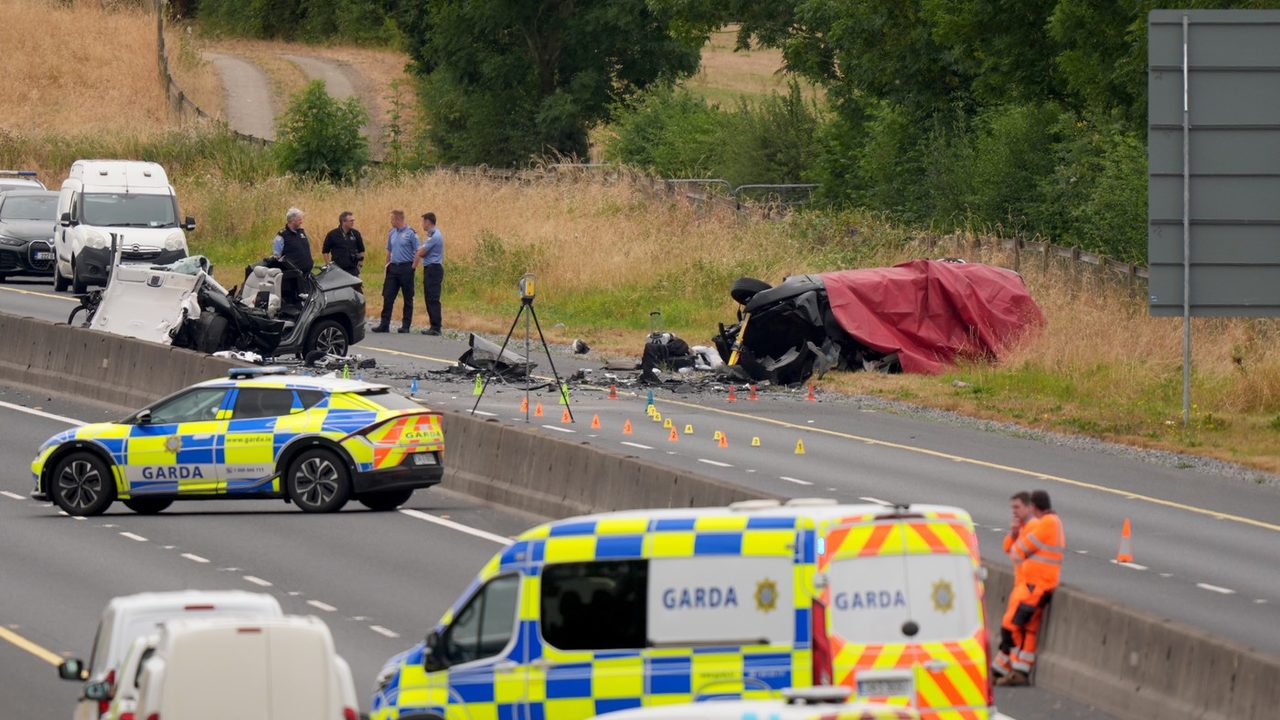
Last Sunday, at around three in the morning, a BMW carrying five teenagers aged 15 to 18 was speeding down the wrong side of Ireland's M9 motorway. The young people, their faces covered, collided head-on with a Hyundai — all five died at the scene.
The other car carried three sisters and one of their seven-year-old sons: the family was on its way to Dublin Airport to fly to a relative's wedding in the UK. All of them suffered serious injuries.
The crash has sparked a wide-ranging public debate in Ireland. According to police, this is far from an isolated incident — young people are stealing or borrowing cars to stage dangerous races through streets and motorways, sometimes deliberately provoking police chases or trying to evade them, all while filming the action. The clips are then posted to TikTok and other social networks in a race for views.
The chase for likes turns into a deadly game
A typical video opens with a shot of the dashboard and a gloved hand starting the engine. The camera then pans to masked passengers filming themselves, followed by shots of the city at night, sudden bursts of acceleration and dangerous manoeuvres. As journalists at The Guardian point out, the destination of the trip is irrelevant here — what matters is the "joyriding" itself, reckless driving pursued purely for the thrill and the spectacle: speed, rule-breaking and displays of fearlessness.
According to Irish police, such videos appear on social media almost daily, and their numbers have risen sharply in recent months, reports The Irish Times. Groups of teenagers reportedly compete with one another to film ever more extreme footage — driving into oncoming traffic on motorways or clashing with police — according to Reuters.
Mary Aiken, professor of forensic cyberpsychology at the University of East London, calls this a form of "hybrid behaviour": young people simultaneously drive the car and produce content that is later posted or livestreamed. "One foot is in the real world, the other is in cyberspace," she explains, adding that social media amplifies the appetite for risk and disregard for consequences: "They're thinking about likes, they're thinking about recognition."
Authorities demand answers from TikTok
In the wake of the tragedy, public attention has turned to TikTok. Ireland's broadcasting and online media regulator has demanded the company explain how it handles videos of dangerous driving. The regulator's chief executive, Jeremy Godfrey, said he was concerned about how such content spreads through social media algorithms, stressing that these videos should be removed, not promoted.
TikTok said it is monitoring content related to the tragedy and removing posts and accounts that violate its rules, including videos of reckless driving and dangerous viral challenges. An explanation was also demanded by an Irish parliamentary committee on arts, media, communications, culture and sport, whose chair, Alan Kelly, urged the platform to take stronger action against such content. TikTok, however, declined to appear before the committee, citing the ongoing police investigation into the crash and the media regulator's review.
If the regulator finds that TikTok has failed to meet its obligations, the company could face a fine of up to six percent of its global turnover.
The Irish government also intends to respond to the dangerous trend: some politicians are proposing that driving into oncoming traffic be classified as attempted murder. Police plan to launch specialised training for vehicle pursuits by the end of the year. Ireland's Minister for Justice, Jim O'Callaghan, issued a stark warning to anyone considering such stunts: "You will end up either in prison or in the grave."
Source: seznamzpravy.cz