Former Czech Justice Minister Blažek Faces 6.5 Years Over Bitcoin Scandal — a Record Sentence Sought Against an Ex-Minister
USD 20,99
Popular
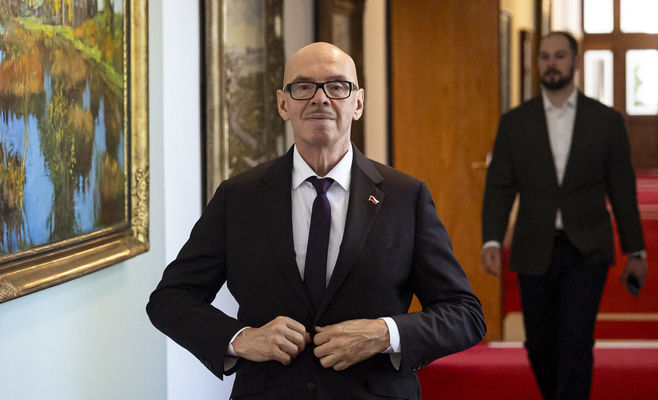
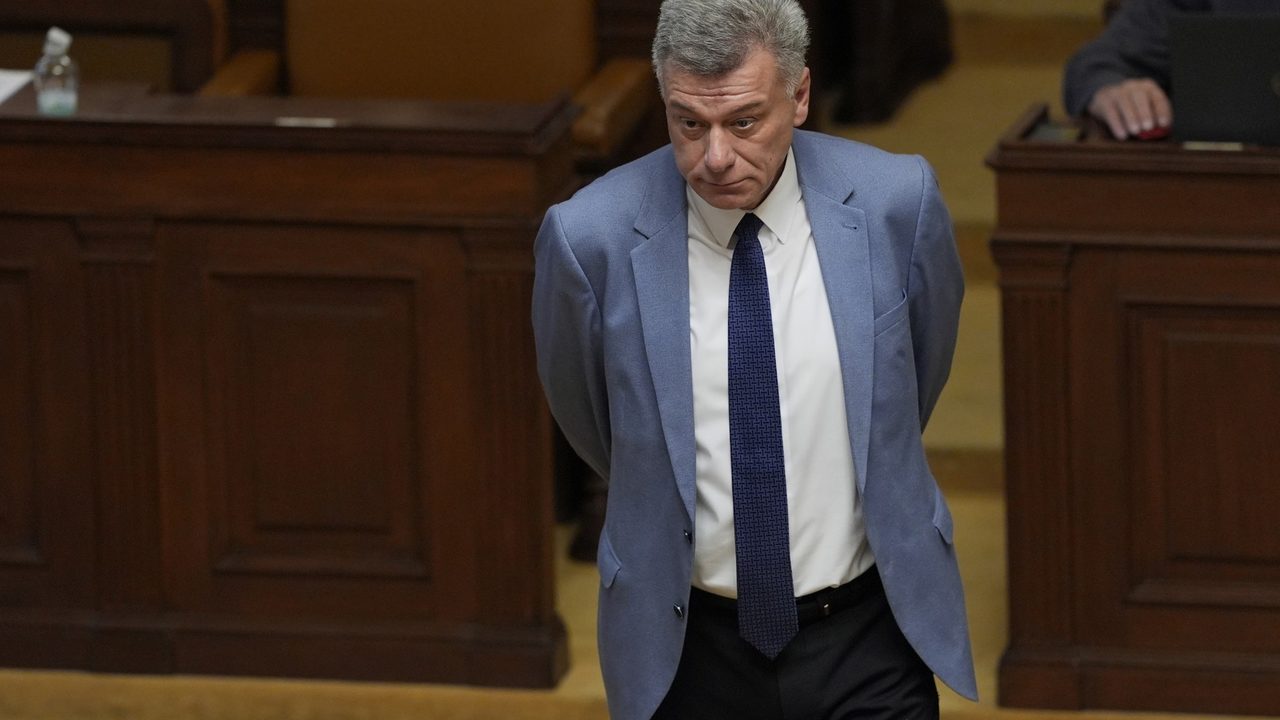
State prosecutors have requested a six-and-a-half-year prison sentence for former Czech Justice Minister Pavel Blažek in the bitcoin case that cost him his post a year ago and, according to observers, damaged the centre-right government's reputation in last year's elections. The demand became known on Monday, when Blažek once again denied the charges in court.
Like the other defendants in the case, the former minister is accused of money laundering and abuse of public office. According to investigators, the case centres on the state's acceptance of a highly dubious bitcoin donation from convicted criminal Tomáš Jiříkovský, who faces up to twenty years in prison in the underlying criminal case.
Recall that on 29 May 2025, at a memorable Justice Ministry press conference, Blažek proudly announced that the state had received a "bitcoin billion" — cryptocurrency worth roughly one billion crowns, supposedly donated by the convicted criminal as an act of repentance. At the time, the minister uttered what became a notorious line: "Why couldn't a man who has been convicted give something to the state, say, as a form of atonement?" Fourteen months later, such explanations will no longer hold up in court — the investigation has raised far tougher questions.
Six and a half years is the harshest sentence ever sought against a former Czech minister specifically for actions committed while in office in the past thirty years. Over that period, several former cabinet members have faced charges — Ivo Svoboda and David Rath even ended up behind bars — but such a severe punishment for abuse of office has never been sought before.
Blažek himself stands by his version of events: he insists it has not been legally proven, let alone established by a court, that the donated bitcoins were obtained through criminal activity. A lawyer by training, he is building his defence on this legal argument rather than on ethical justifications — and it appears the Czechs are in for a lengthy court battle.
The scandal also casts a shadow over other politicians who are not defendants in the case but were involved in taking the risky decision seriously far too late. A legal opinion warning of the risks before the donation was even accepted was, at the time, ignored by Filip Benda, chief of staff to then-Finance Minister Zbyněk Stanjura. Meanwhile Prime Minister Petr Fiala, while calling for an investigation into "suspicions of the state being abused, including in connection with serious international crime," simultaneously defended Blažek as a man of good intentions who had merely misjudged the situation.
As late as 5 June 2025, in the Chamber of Deputies, Fiala stressed in his colleague's defence that "the assets of the Czech Republic have not decreased — on the contrary, they have increased by roughly a billion crowns, and it cannot be ruled out that further funds will emerge as the investigation continues." Over time, however, it became clear that the narrative of an overly trusting but well-meaning official had serious flaws: if the state was "deceived," responsibility lies not only with the deceiver but also with whoever, through their own authority, allowed the abuse to happen — that is, according to the prosecution, Blažek himself and his deputy, Radomír Daněk.
The ODS party, where Blažek was for years an influential grey-cardinal figure, has every reason to dread the trial. Even if acquitted, public perception will likely retain the image of a minister who took an extremely careless, if not outright amateurish, approach to filling the state treasury — and that is far from the worst-case scenario for the party.
Source: seznamzpravy.cz