Fuel Price Caps Lifted in Czechia, But Government Ready to Reinstate Them at Any Moment

USD 21,04
Popular
As of Monday, price caps on petrol and diesel are no longer in force in Czechia — the government has officially wound down its fuel price regulation mechanism. According to the cabinet official overseeing the issue, thanks to amended legislation, a decision to reactivate the caps could be made almost instantly if the need arises.
Officials had originally floated scrapping the regulation as early as 1 July, following the lead of some neighbouring countries. In the end, however, the measure was extended to preserve predictability for drivers: at the start of the summer holiday season, many Czechs set off on long road trips and fill their tanks to the brim. On top of that, representatives of the road hauliers' association had appealed to the finance minister and his colleagues not to rush the decision.
The government stressed that if there are signs petrol stations are starting to take advantage of the situation — for instance, by raising their margins to make up for losses from previous months — the cabinet can bring back price caps with a single decision, without any lengthy procedures. This is meant to shield consumers from sharp price spikes amid volatility on the oil and energy markets, including turmoil stemming from the latest flare-up of conflict in the Middle East.
No specific oil-price threshold that would trigger a return of regulation has been announced — according to the official, that call falls under the remit of the Ministry of Industry and Trade. It was emphasised, however, that the deciding factor will be the behaviour of Czech petrol stations themselves, rather than oil exchange quotes. Authorities have confirmed that the Ministry of Finance's checks on filling stations' margins are ongoing and will continue.
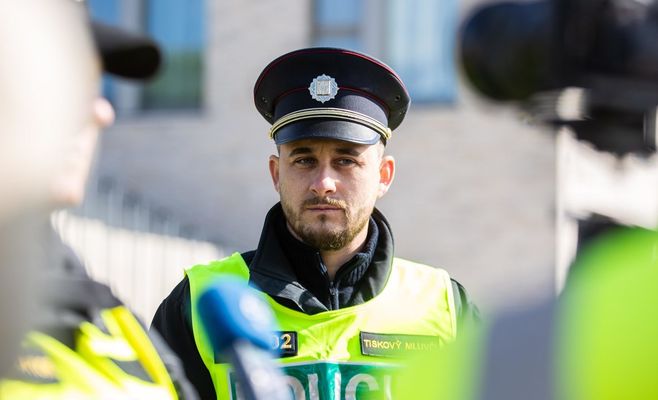
Beyond fuel prices, the government, working with the Ministry of Justice, is preparing tougher penalties for aggressive driving — particularly deliberate tailgating and cutting off other vehicles, as well as illegal street racing. Anyone causing serious injury or significant damage would face two to three years in prison. According to a government spokesperson, it is precisely such exemplary sentences that could make reckless drivers think twice about the consequences.
Officials also noted that on the D4 motorway, which is fully equipped with video surveillance, drivers noticeably observe traffic rules more closely, and traffic jams and accidents occur less often — since violations are recorded automatically and punishment becomes almost inevitable. The authorities plan to strengthen the work of the traffic police and tighten oversight of professional bus and truck drivers nationwide.
Source: novinky.cz