General Šedivý: An in-flight explosion of a Ukrainian An-26 carrying ammunition near Leipzig would have been catastrophic
USD 21,04
Popular
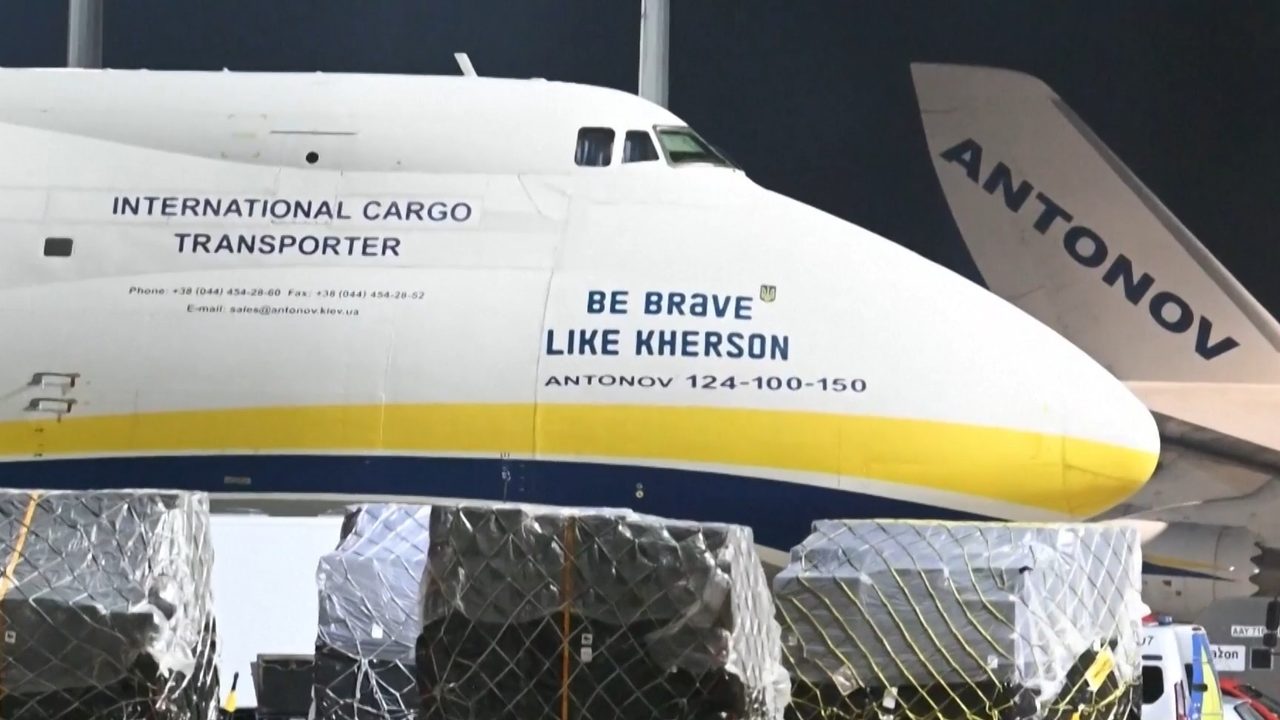
Had a drone loaded with explosives struck the Ukrainian cargo plane An-26 — reportedly carrying military ammunition, according to German media — the consequences could have been devastating. That is the assessment of the incident near the German city of Leipzig given by Jiří Šedivý, former Chief of the General Staff of the Czech Army.
"There would probably have been very extensive destruction. The aircraft would have been completely destroyed, and significant damage would most likely have been caused in the immediate vicinity," Šedivý said. According to him, an even worse scenario would have unfolded had the explosion occurred after takeoff. "If it had happened in the air, it would have been an absolute catastrophe," the general stressed.
Everything depended on the fuel and the type of ammunition
Vladislav Bříza from the Department of International Relations at the Faculty of Social Sciences, Charles University, also acknowledges that the risk could have been substantial. "This could certainly have had fatal consequences," the expert noted. In his view, a key factor was whether the plane had already been fully fuelled: full tanks would have meant a far larger explosion or fire compared to empty ones.
The scale of the consequences would also have depended on the type of ammunition being transported — according to the expert, the explosive potential of weapon systems themselves, such as howitzers, differs from that of shells and other military ordnance capable of causing serious damage.
Who is behind the incident remains unclear
Šedivý cautions against drawing hasty conclusions about who is responsible. The investigation has not yet been closed, and, according to the former Chief of the General Staff, various scenarios of provocation cannot be ruled out. "This needs to be thoroughly investigated. It could have been a provocation. Both sides in the war in Ukraine could somehow benefit from this," he said. He added, however, that based on the information available so far, a Russian trail seems more likely to him. "For now, this looks more like a Russian scenario," the general remarked.
Regardless of the investigation's outcome, Šedivý believes the incident confirms a dangerous trend: hybrid threats are creeping ever closer into everyday life in Europe. NATO and European countries are already responding by strengthening the protection of airports and critical infrastructure and by developing anti-drone systems, yet one hundred percent security cannot be guaranteed.
"This trend itself is dangerous. Both sides are shifting toward more intense and aggressive actions. Unfortunately, today no distinction is made between military and civilian targets. We need to strengthen protection — not only physical, but also through electronic means. We are certainly not at the end of this road yet," Šedivý concluded.
Source: novinky.cz