Global Oil Supplies to Plunge More Than Expected Amid Strait of Hormuz Blockade
USD 21,01
Popular
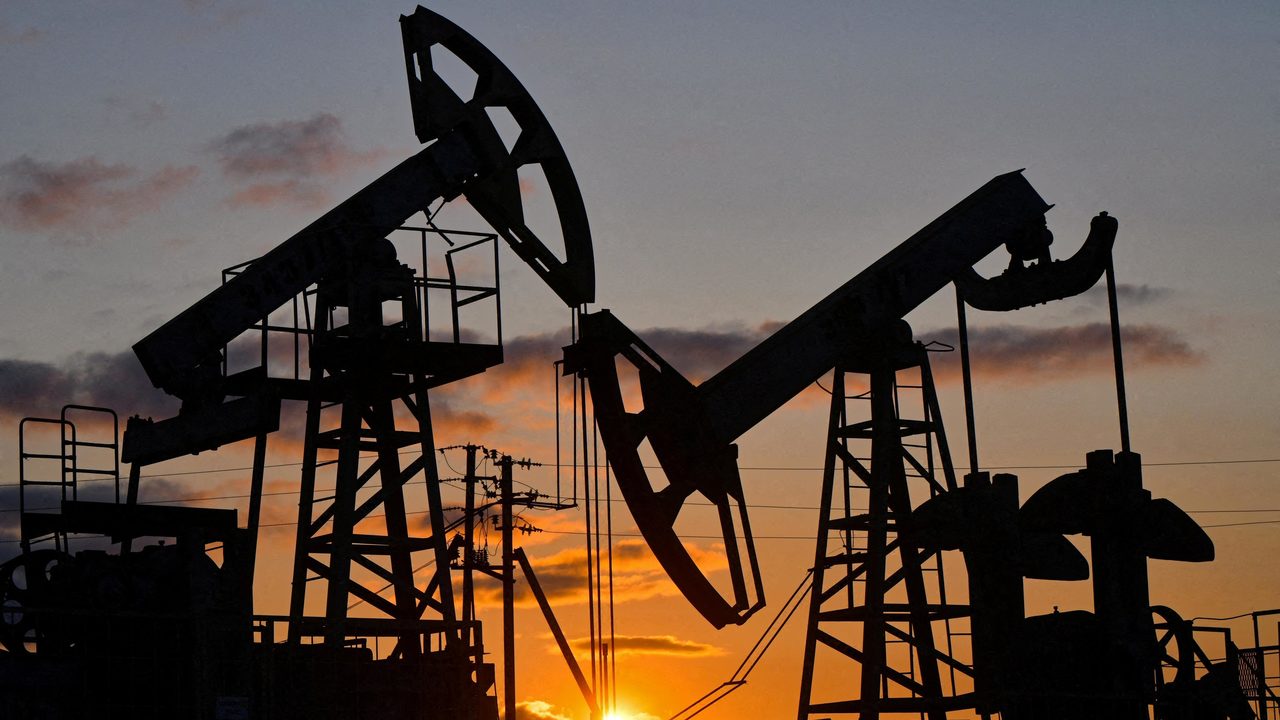
The International Energy Agency (IEA) has sharply downgraded its forecast for the global oil market: global demand is now expected to fall by 1.6 million barrels per day this year — 510,000 barrels worse than the previous estimate. The reason cited is the ongoing disruption to shipping through the Strait of Hormuz and elevated fuel prices, according to the agency's August report.
Persian Gulf Exports Collapse
In early July, the Strait of Hormuz was effectively blocked again, with oil infrastructure and tankers coming under attack. Oil exports from the Persian Gulf, including routes bypassing the strait, dropped by 2.1 million barrels to 15 million barrels per day. While shipments had peaked at 20 million barrels per day in early July, by the end of the month volumes had fallen to roughly 12 million barrels.
According to the IEA, idle production capacity in the Persian Gulf still stands at the equivalent of 8.3 million barrels per day. Meanwhile, global oil supply rose by 2.4 million barrels in July, reaching 101.5 million barrels per day — though this remains 6.3 million barrels below last year's level.
Stockpiles Fall Below 7.9 Billion Barrels
Global observed oil inventories fell by 69 million barrels in July, driven mainly by a sharp decline in oil-in-transit volumes. Onshore stocks dipped only slightly, by six million barrels. As a result, total inventories fell below the 7.9-billion-barrel mark for the first time since April last year. Since the war with Iran began, stockpiles have shrunk by 410 million barrels — equivalent to a decline of 2.7 million barrels per day.
The IEA, which brings together 32 member countries, notes that the pace of emergency reserve releases slowed in July. Earlier, in March, the agency had coordinated the largest release of oil reserves in history, totaling 400 million barrels.
Escalating Conflict in the Middle East
The market situation deteriorated after the US and Israel carried out a joint airstrike on Iran in late February. Since then, Tehran has, with only brief pauses, effectively blocked shipping through the Strait of Hormuz — a chokepoint through which roughly a fifth of the world's oil supply passed before the conflict began.
Source: novinky.cz