"He Had Us by the Balls": Baník Coach Slams Red Card in Clash with Hradec
USD 21,04
Popular
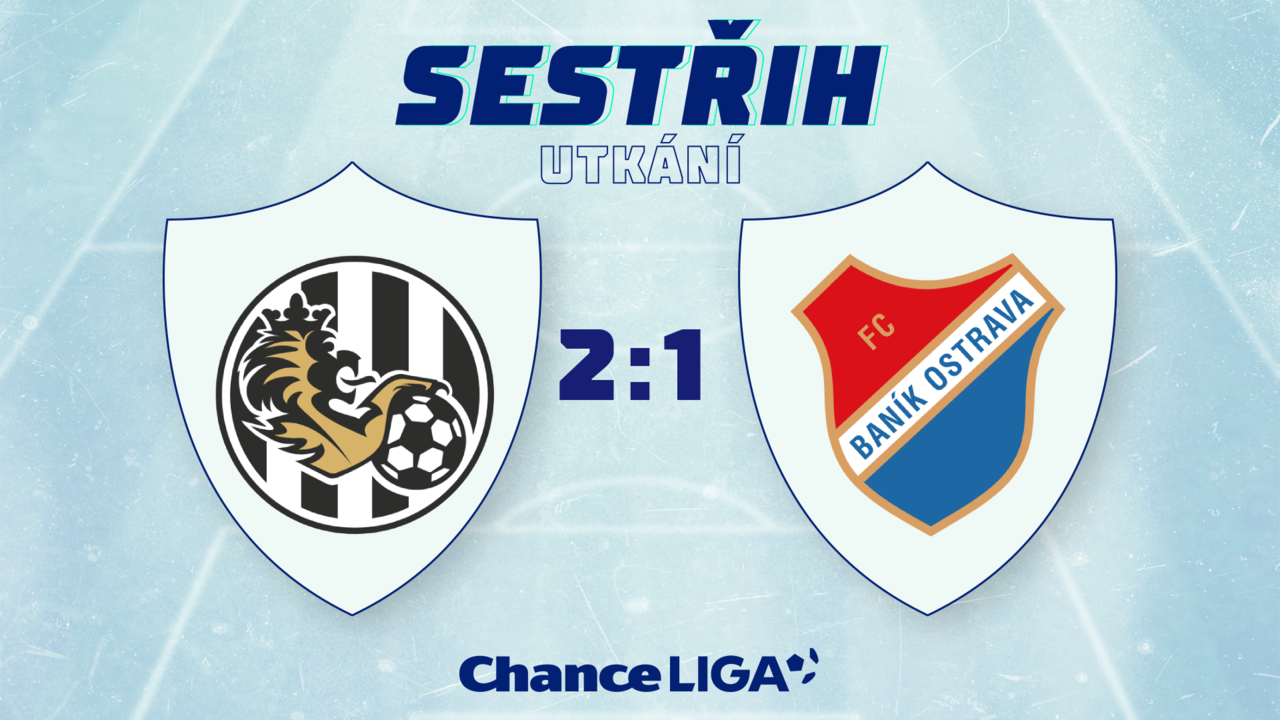
In a Czech First League clash between Baník Ostrava and Hradec Králové, the turning point came in the 43rd minute when defender Skiba was sent off for hauling down Dutch forward Van Buren with his hand as the striker bore down on goal. Baník coach Roman Skuhravý didn't hold back after the match, blasting the referee's decision and saying the official "had the team by the balls."
"We lost the ball, our defensive shape was open, and we just couldn't apply pressure. And then we let someone hold us by the balls — I mean the referee. That's exactly the call he chose to make. But the red card isn't what cost us the match — before that moment we had chances to score twice," Skuhravý said.
What happened on the pitch
In the 43rd minute, Van Buren picked up a loose ball in his own half and sprinted past Baník's defenders, Skiba included. With no other option, Skiba committed a last-man foul, grabbing the forward with his hand and pulling him to the ground. The referee ruled it a clear goal-scoring opportunity and showed the defender a straight red.
Baník defender Matěj Chaluš admitted he wasn't entirely sure himself about the logic behind the decision: "The rules and how they're interpreted shift a bit every year. Honestly... half the people think it was a red, half think it wasn't. The referee told us Jedlička was drifting backwards, which is why it was a sending-off."
Experts split on the call
Oneplay Sport pundit Zdeněk Folprecht backed the referee's decision: "If you look closely at the situation, Van Buren was running at full speed and probably had about a metre's advantage. It was a clear goal-scoring opportunity, and the red card was fully justified." Former Sparta player Václav Kadlec also sided with the officials: "It's an obvious defensive error — he committed the foul and essentially denied the attacker any chance to find out if he'd be caught. Skiba killed the attack, he was the last man back — that's a clear red."
Many fans were quick to point to a similar incident from the opening round of the season, when Slavia Prague defender Jakub Kolísek pulled off nearly the same move against Abdullahi Bevene in a game against Slovácko — but got away with just a yellow card. Back then, former national team player Jan Rajnoch argued that the deciding factors should be distance to goal, the direction of the attack, the likelihood of winning the ball, and the positioning of the players — and in his view, that incident warranted only a yellow. Folprecht conceded that comparing the two situations directly is tricky: "From the video, you can't really tell for sure it's Bevene or that he's genuinely quick. I agree with the red card in the Hradec match."
The problem of missing explanations
The core issue is that since the start of the new season, the Czech Football Association's Referees' Commission has stopped publishing its usual breakdowns of controversial incidents from previous rounds. As a result, neither fans, nor pundits, nor even the players themselves know whether a similar foul will be punished with a red or a yellow card next time round.
"This is a massive problem for me in general. I would never go out on the pitch as a referee, I'd never referee even kids' matches — it's a thankless job. I've always understood that a referee can officiate the whole match unfairly against us, and that's fine, but the worst thing is when even the player himself doesn't know what he's allowed to do and what he isn't. One time it's this way, another time it's that way," Skuhravý concluded.
Source: sport.cz