Head of European Commission Representation in Czechia: EU Membership Is a Matter of Survival for the Country
USD 21,08
Popular
It will soon be two years since former European Central Bank chief Mario Draghi published his landmark report warning that the European Union urgently needs to boost its competitiveness or risk falling economically behind China and the United States. According to the Draghi Observatory monitoring tool, only around 16 percent of the report's recommendations have been implemented to date.
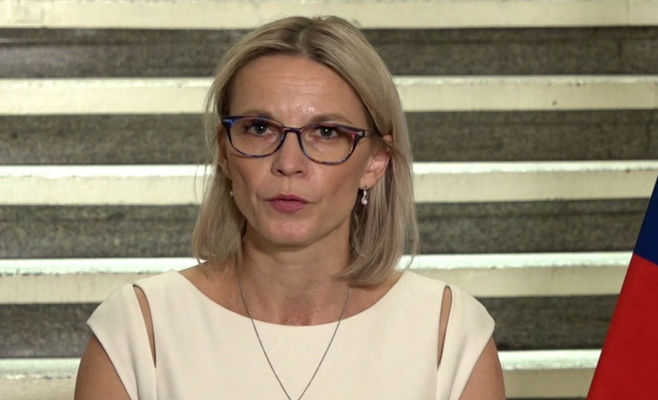
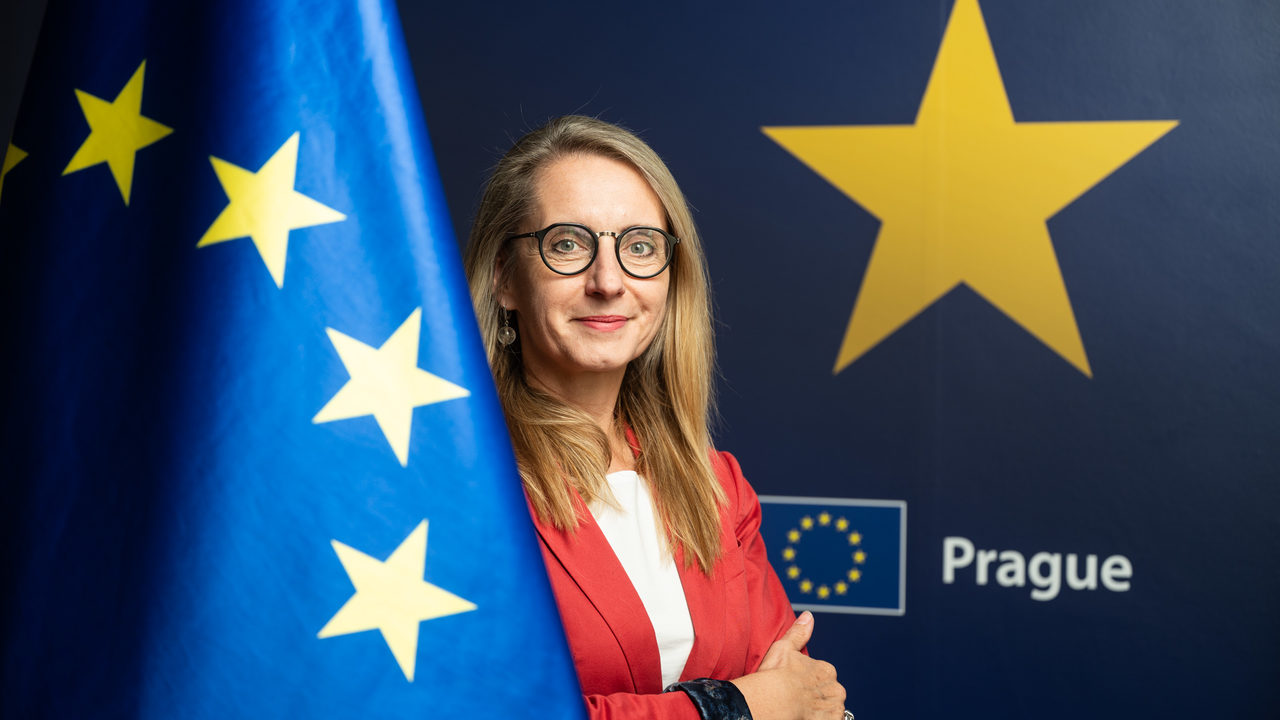
Despite this modest pace, Monika Ladmanová, head of the European Commission Representation in Czechia, believes Europe is moving as fast as EU procedures possibly allow. According to her, the Draghi report served as a "wake-up call" for Europe — a response to the rapid changes of recent years: the pandemic, the energy crisis, the war, and fierce global competition.
Ladmanová, a lawyer by training, previously worked at IBM and in the cabinet of EU Commissioner Věra Jourová. She says the European Commission now evaluates every legislative proposal through the lens of whether it creates unnecessary burdens for business and whether it helps European companies compete on the global market. As an example, she points to the streamlining of approval procedures for strategic investments.
One of the key items on the EU's agenda remains the completion of the single European market — an issue member states have failed to resolve for decades. The Commission has set concrete goals and deadlines for member states, including on the Savings and Investments Union and digital identity projects. According to Ladmanová, Czechia, as an industrial and export-oriented country, actively supports completing the single market: for instance, Czech authorities, together with a small group of other states, backed a package simplifying digital legislation, even though most countries initially opposed it.
Asked whether the logic behind interconnected initiatives — the Savings and Investments Union, the digital euro, and a pan-European digital wallet — might eventually force Czechia to abandon its taboo on adopting the euro, Ladmanová stressed that the goal of these reforms is not to compel countries into adopting the common currency. That decision, she said, remains entirely up to each individual state, and the digital wallet will be available to non-eurozone countries as well.
She also addressed the issue of euroscepticism in Czechia. According to Eurostat, Czechs' attitudes toward the EU are among the worst in the bloc, even though the country has been a net recipient of EU funds for more than 20 years. Ladmanová identifies a lack of public awareness as the main cause of this scepticism: over 22 years of EU membership, Czechia has never managed to properly explain to its citizens why belonging to the union is vital for the country. She suggested talking more about the EU in schools and increasing the presence of Czech journalists in Brussels — currently, only state media and the TV Nova channel maintain a permanent presence there.
Source: seznamzpravy.cz