Related news
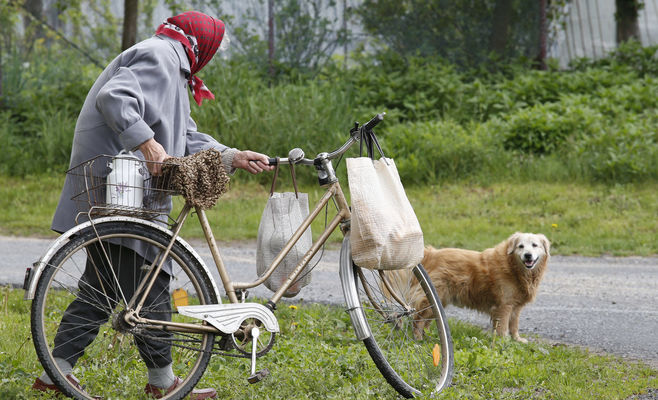
The Czech government is discussing a significant boost to January's pension increase — instead of the standard rise of roughly 300 crowns a month, payments could go up by 600 crowns. This was announced by Labour and Social Affairs Minister
A traffic accident involving injuries occurred on Žižkova Street in the centre of Ústí nad Labem, where a car collided with a pedestrian. The news was reported by the portal pozary.cz, citing data from the rescue services.All the main units

Due to prolonged heat and drought across various regions of Czechia, authorities are introducing bans on lighting fires, smoking, and other activities that could trigger a blaze. In recent days, firefighters have recorded forest fires near

In 2025, the map of Czech spa towns gained two new destinations — Hodonín and Leopoldov near Buchlovice — while Mariánské Lázně's famous Singing Fountain came back to life. In summer 2026, after years of neglect, the historic Ida Colonnade

The Czech Union for Nature Conservation (ČSOP) has released the results of this year's spring amphibian migration: volunteers saved 36,226 toads, frogs and newts that would otherwise have perished under car wheels on their way to breeding g

Football club Ústí nad Labem led 3-0 at half-time in the third-round North Bohemian derby of the second league, only to squander the lead and settle for a 3-3 draw with Česká Lípa. Belgian forward Idumbo-Muzambo was on target twice, taking
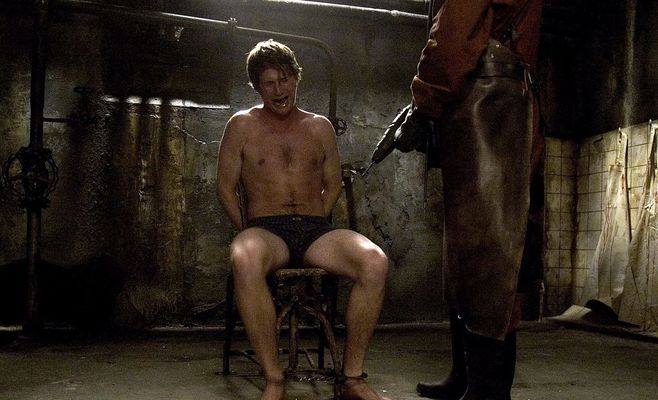
The American horror film "Hostel," directed by Eli Roth and released two decades ago, still sparks controversy over its portrayal of Slovakia — a country the film crew never actually filmed in, shooting every scene in the Czech Republic ins
The archaeological open-air museum in Modrá, located next to Velehrad on the site of an actual Great Moravian settlement, will host a large-scale historical festival on 8–9 August 2026, featuring a reenactment of the ancient battle for the

On the D1 motorway in the Vysočina region, luggage containing important documents fell out of a moving car belonging to an Israeli family — a story with an unexpectedly happy ending, as recounted by traffic police spokeswoman Dana Čírtková.
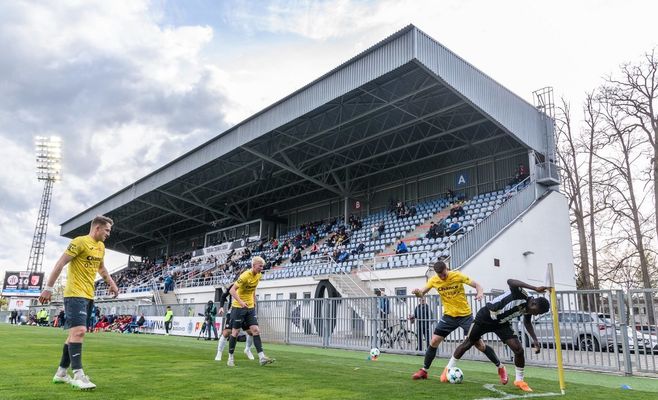
Football club Dynamo České Budějovice has withdrawn its reserve team from the Czech Republic's fourth-tier division just days before the start of the 2026/2027 season — Saturday's scheduled match against Nýrsko will no longer take place. Ac

The debut of 35-year-old defender Ondřej Boříl for Liberec was overshadowed by injury — roughly half an hour into the match against Zbrojovka Brno, the experienced player hurt his right ankle and was unable to finish the game.The incident h
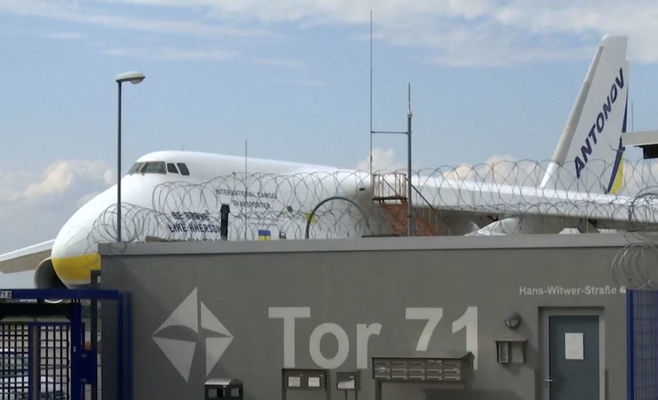
Russia's embassy in Berlin has claimed that the discovery of a drone carrying Semtex explosive at Leipzig airport was a provocation orchestrated by Ukraine with backing from the "militarist wing" of Europe's political establishment. The inc