Heat Hits the Wallet: How to Set Your Air Conditioner Correctly and What to Do With Appliances Before Going on Holiday
USD 21,08
Popular
The abnormal heat wave in Czechia is pushing people to rely on air conditioners more than ever, but improper use of the appliance can seriously inflate electricity bills. Experts explain how to set your climate control unit and what to do with household appliances before heading off on holiday, so you don't end up overpaying.
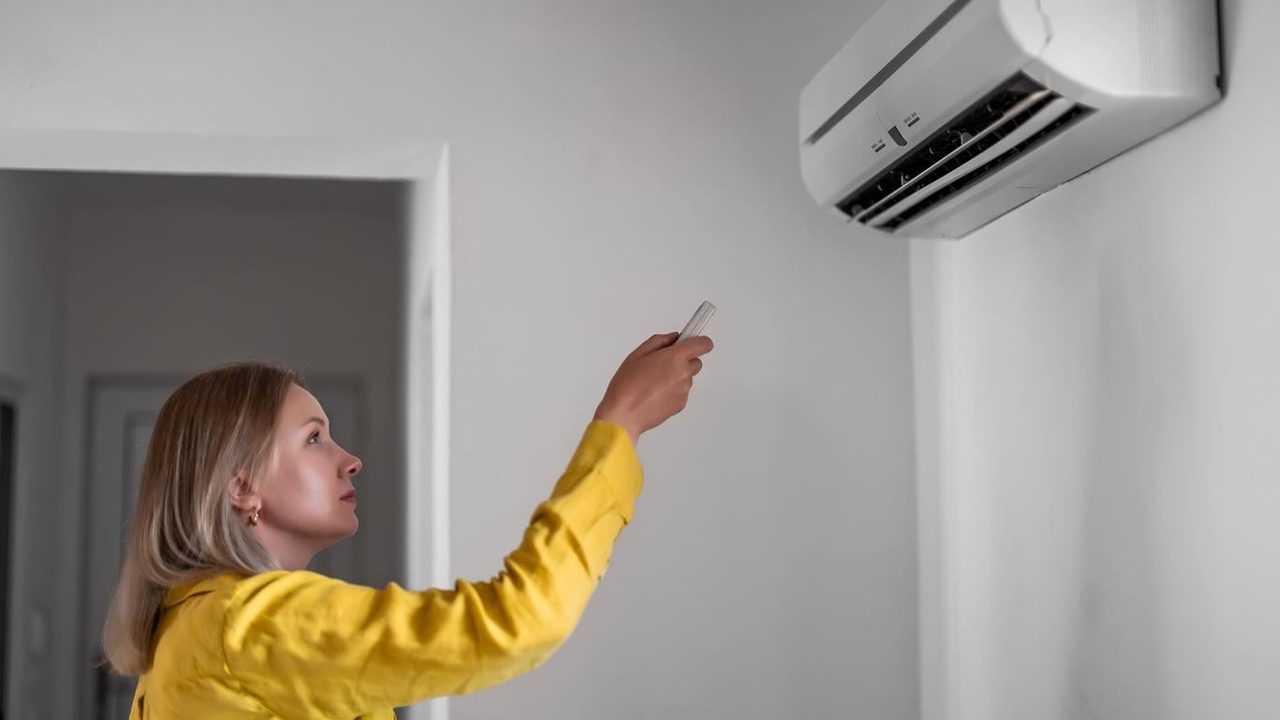
The most common mistake is setting the air conditioner to an extremely low temperature — say, 20 degrees — hoping the room will cool down faster. “In reality, every air conditioner has its own maximum cooling capacity, and extremely low settings usually just mean the unit runs longer, consumes more electricity, and wears out faster,” explained Kristýna Bayer, an analyst at Revido.
According to her, it's best to switch on the AC in advance, rather than waiting until the flat heats up to 30 degrees or more — otherwise, cooling the space will require significantly more energy. Experts recommend keeping the difference between the outdoor and indoor temperature at around 6–8 degrees: if it's 33 degrees outside, the air conditioner should be set to roughly 25–27 degrees.
The expert also advises Czechs to arrange with their electricity provider a switch to a special tariff for electric heating appliances — similar to the one used for air-to-air heat pumps. “Tariff D57d is particularly beneficial for households with high energy consumption,” Bayer noted, adding that with consumption of around 4 megawatt-hours per year, switching tariffs could save roughly 2,000 crowns annually.
Closing blinds and curtains, using external shutters, and avoiding cooking or baking during the hottest part of the day can further reduce the strain on the air conditioner. A regular fan can also be a cheaper alternative — it doesn't actually cool the air, but the circulation it creates makes the heat more bearable.
Another important issue is what to do with appliances when heading off on holiday during a hot spell. According to Lukáš Kaňok, a specialist at Kalkulátor.cz, an empty flat doesn't automatically mean zero electricity consumption, so it's worth switching off certain appliances — though not by simply flipping the main breaker. “Before leaving, people often focus on chargers and small gadgets, but far more energy is used by things like an electric boiler, a second fridge, a freezer, or an air conditioner left running on automatic mode,” Kaňok warned.
Before going away, it's worth checking the fridge temperature, removing any frost, and cleaning the door seals. If the trip is long and the fridge can be completely emptied, it's better to switch it off entirely — but not just by pulling the plug. It should be defrosted, wiped dry, and left slightly ajar to prevent mould and unpleasant odours.
An electric boiler maintains a set water temperature even when no one is using it, consuming energy to compensate for heat loss. Some models have a holiday mode, while others can be temporarily switched off or set to a lower temperature — but strictly according to the manufacturer's recommendations, since incorrectly lowering the temperature can create conditions for bacteria to multiply. “For a short weekend trip, switching off the boiler won't save much, since the entire tank of water will need to be reheated upon your return. But the longer a household goes without using hot water, the less sense it makes to keep it running constantly,” Kaňok noted.
According to him, it's perfectly safe to leave a Wi-Fi router, modem, TV, set-top box, game console, speakers or desktop computer in standby mode. The simplest solution is to use power strips with a switch, which can turn off several devices at once with a single button. Portable heaters, electric kettles, coffee machines, irons and chargers for cordless power tools, however, are better unplugged entirely — not only to save money, but also to reduce the risk of a technical fault.
Before leaving on holiday, it's also worth checking electric underfloor heating, bathroom towel warmers, pool heating, water filtration systems, pumps, and outdoor lighting — devices controlled by timers are often overlooked. “In the case of a pool or aquarium, it's important to maintain the mode needed for safe equipment operation and water quality,” Kaňok added.
Read also: 8 best swimming spots near Prague: lakes, quarries and beaches an hour from the capital
Source: denik.cz