Heatwave and Drought: Czechia Bans Campfires and Smoking in Forests, With Fines Reaching 500,000 Crowns
USD 21,04
Popular
Due to prolonged heat and drought across various regions of Czechia, authorities are introducing bans on lighting fires, smoking, and other activities that could trigger a blaze. In recent days, firefighters have recorded forest fires near Benešov, in the Šumava region, and in the Karlovy Vary Region. The Plzeň Region, for instance, has extended a fire ban that had already been in place since late July until mid-August, and has also tightened rules for farmers involved in the harvest.
What the Law Prohibits
The basic rules for handling fire are set out in the Fire Protection Act, which bans burning vegetation and requires citizens to observe restrictions in designated areas. The Forest Act separately prohibits smoking, lighting or maintaining open fires, camping outside designated areas, and discarding burning or smouldering objects. Fires may not be lit closer than 50 metres from the edge of a forest.
During periods of heightened fire risk — such as the current stretch of heat and drought — municipalities can ban entry into forests to protect them or to safeguard public safety. During such periods of danger, a regional governor may also prohibit other activities: not only campfires but also smoking, the use of fireworks, torches and lanterns, the operation of steam locomotives, and the misuse of water from fire hydrants for purposes other than firefighting.
Burning Grass Is No Longer Allowed
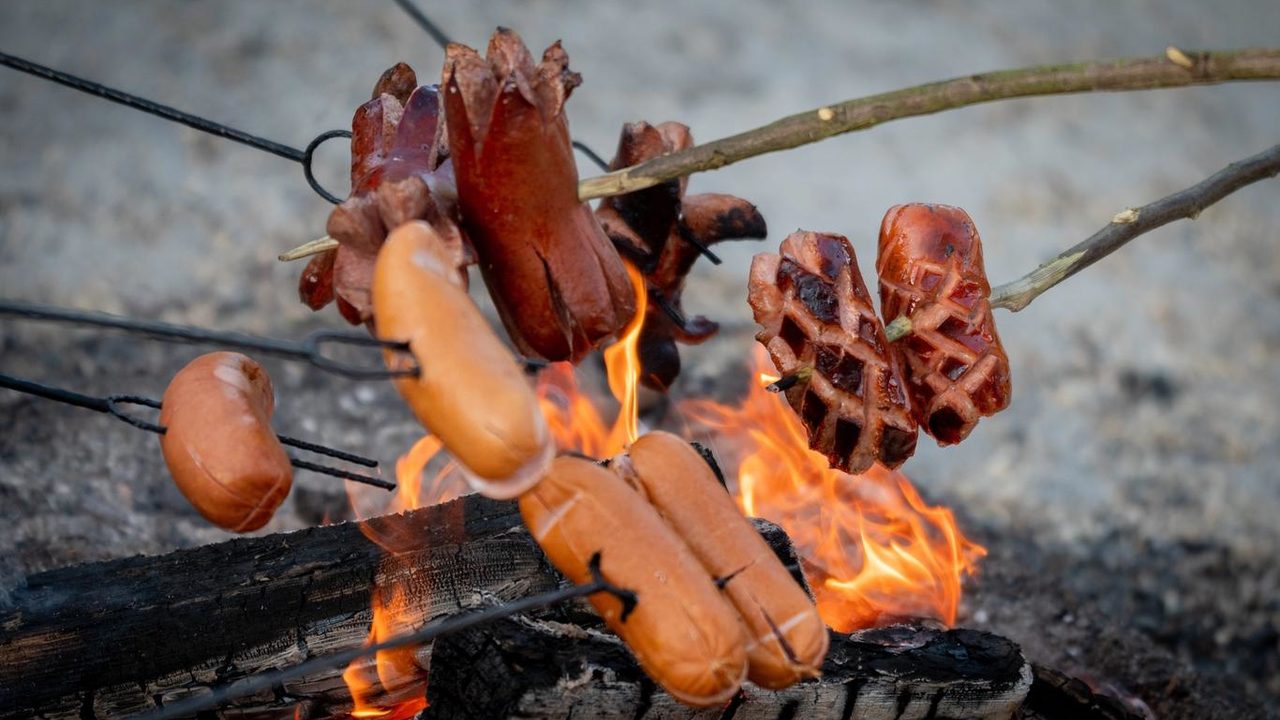
Until recently, residents could legally burn leaves, branches or grass on their own property, provided the local authority hadn't explicitly banned it. Since March last year, however, this practice has been completely prohibited by law, and municipalities can no longer alter the rules through their own regulations. The exception is recreational fires — for example, for grilling sausages — explains Nikola Šedová, a lawyer for the Dostupnyadvokat.cz portal.
Only dry, uncontaminated plant material — such as dried wood — may be burned in open fires. For those planning to light a fire on their property for a family gathering, the lawyer advises reporting it in advance via paleni.izscr.cz: this way, firefighters will know there's no danger and won't be dispatched on a false alarm.
Fines That Hit Hard
The penalty for illegal burning depends on the circumstances: burning dry firewood is one thing, but a pile of damp leaves, grass or fresh branches sending smoke drifting toward neighbours is another. Neighbours' complaints are, in fact, the most common trigger for investigations by local authorities or fire services.
Individuals caught burning prohibited materials face fines of up to 50,000 crowns, while legal entities and entrepreneurs risk fines of up to half a million crowns. Repeat offences can be escalated to administrative proceedings, where penalties may climb even higher.
Source: denik.cz