How to sleep in the heat: a sleep specialist's tips for surviving tropical nights
USD 21,02
Popular
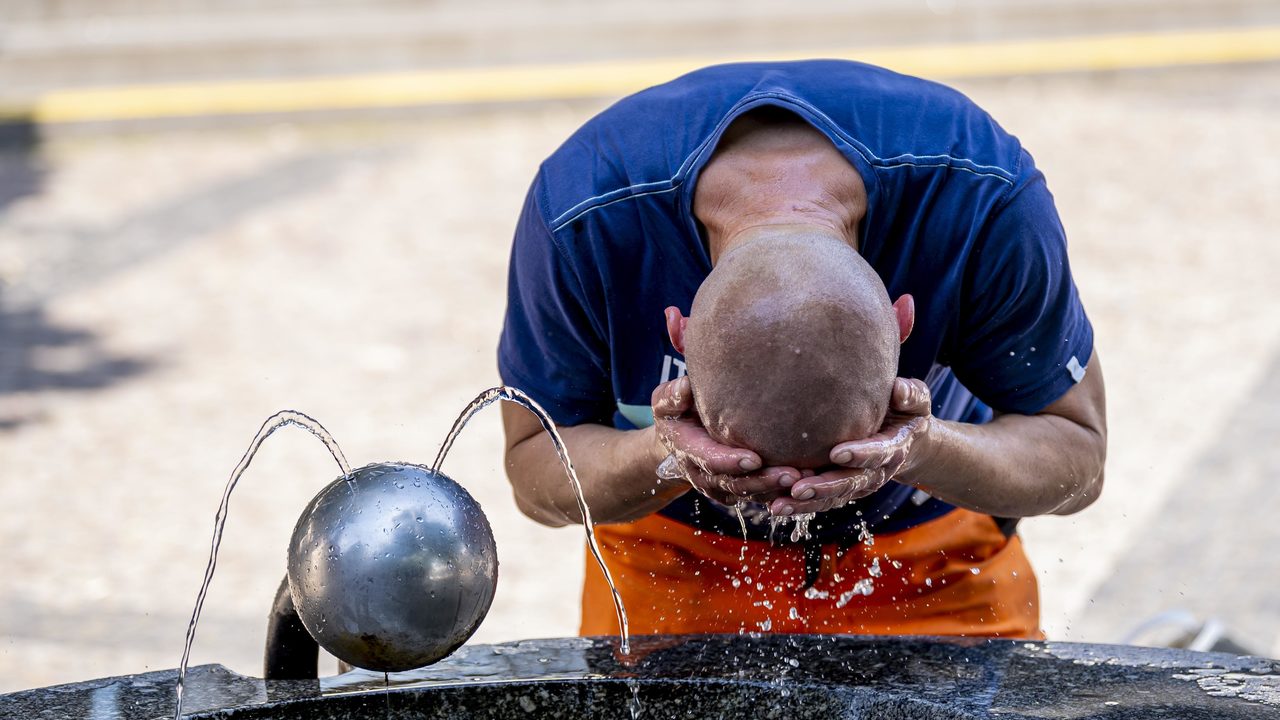
Nighttime temperatures in Czechia have repeatedly climbed above 25°C in recent days, leaving many residents struggling with insomnia. Sleep specialists explain why it's so hard for the body to drift off in stuffy heat — and offer concrete advice on how to get proper rest without air conditioning.
According to experts, humans and animals alike have always found it easier to fall asleep in cool conditions — that's when the body naturally slows down the processes needed to transition into sleep. In hot weather, this braking mechanism doesn't kick in, which is why falling asleep at 45°C, say, at a seaside resort, is far harder than in a well-ventilated room at 18–20°C.
Air conditioning is not a cure-all, one specialist warns: people often set the temperature far too low compared to the outside air, which leads to colds. For those without AC, the advice is to stick strictly to classic sleep hygiene rules and air out the bedroom as thoroughly as possible in the evening, when it gets a bit cooler outside. Using a fan is also recommended — it doesn't lower the temperature directly, but it creates air movement that noticeably makes falling asleep easier.
The key rule remains consistency: go to bed and wake up at the same time every day, even in a heatwave. This allows the body to produce the sleep hormone melatonin on schedule. If someone goes to bed at eight one evening and at midnight the next, the body doesn't have time to prepare for sleep, and the problem of falling asleep is only made worse by sweating and irritability.
The expert advises getting into bed even if it seems like sleep won't come anyway: the brain, like Pavlov's dog, responds to a familiar cue and tunes itself to fall asleep at a set time. It's also important to put away smartphones, computers and TVs an hour before bed — the blue light from screens blocks melatonin production and prevents the body from getting the signal to fall asleep.
Sleep is especially important on hot days, since the body needs to recover from the strain of heat even if a person hasn't been physically tired out by work. The specialist warns: heavy food, energy drinks or alcohol before bed make nighttime rest fragmented and poor in quality.
Other useful tricks include a cool shower before bed and damp towels chilled in the fridge and hung around the room to evaporate, though the expert notes their effect is fairly modest. The most effective method remains simple ventilation and air circulation.
Special attention should be paid to children and the elderly — they especially need enough fluids throughout the day, since older people often don't feel thirsty, while children's bodies already contain a lot of water, making both groups prone to dehydration. That said, drinking too much right before bed isn't a good idea either — nighttime trips to the bathroom also disrupt proper rest.
According to the specialist, a daytime nap doesn't make up for lost nighttime sleep: in just 20–30 minutes, the body doesn't have time to go through all the sleep phases, so it's more of a brief rest than real compensation. A longer nap, around three hours, doesn't interfere with nighttime sleep, but it doesn't bring much extra benefit either.
Finally, the expert recaps the basic rules of sleep hygiene: go to bed and wake up at the same time every day, sleep in a dark, well-ventilated room at 18–20°C, remove anything distracting from the bedroom, only lie down once you actually feel sleepy, avoid screens for an hour before bed, eat a light dinner 2–3 hours before sleep, skip coffee, energy drinks, alcohol and cigarettes in the evening, avoid physical exertion and stress before bed, and use the bed only for sleep and sex.
Source: novinky.cz