Hungary Ready to Sink Barges Full of Rocks to Raise Danube Water Level for Nuclear Plant
USD 21,01
Popular
Hungary's government has decided not to wait for the Danube's water level to drop back to a critical point that would threaten the operation of the country's only nuclear power plant. According to the prime minister, work on building a riverbed threshold will begin on Friday and continue around the clock.
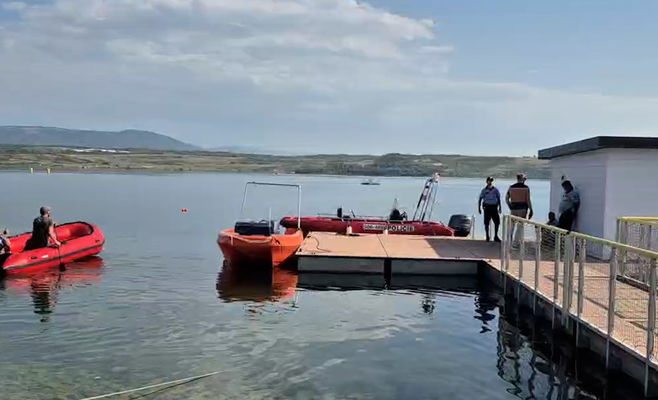
Near the town of Paks, two tugboats loaded with rocks are already being prepared. If the Danube's level drops sharply, the vessels will be positioned across the riverbed and deliberately sunk. According to the authorities' calculations, this would raise the river's water level by up to 20 centimeters — enough to ensure water reliably reaches the intake points through which the plant draws Danube water to cool its reactors.
Drought Threatens the Country's Power Grid
In recent days, the Danube's water level has begun to rise slightly, but the ongoing drought means there's still a risk it could fall back to a critical level. The prime minister noted that no significant rainfall is expected in the Danube basin over the coming days and weeks.
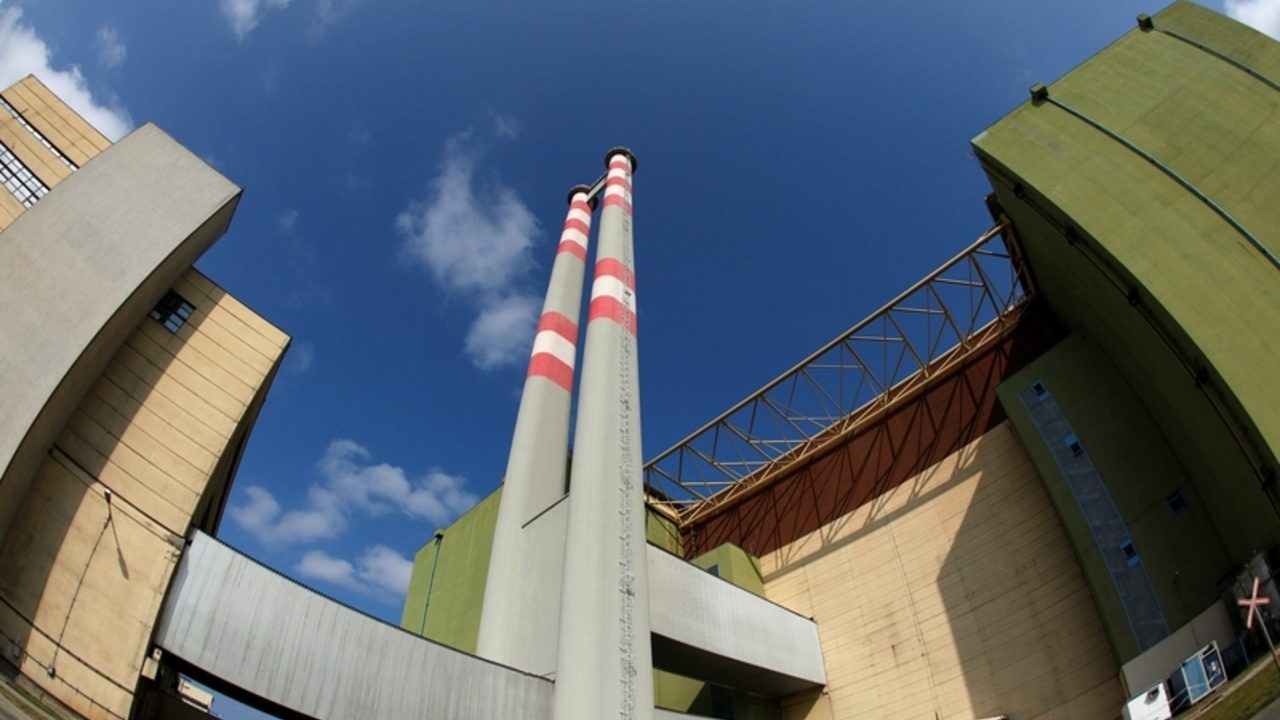
After water levels dropped critically in early August, the Paks nuclear plant, located roughly a hundred kilometers south of Budapest, was left running on just one turbine. Output was temporarily cut to 240 megawatts, compared to the normal generating capacity of 2,000 megawatts. The plant didn't have to be shut down completely, and by early this week engineers managed to bring a second turbine back online.
Under normal conditions, the Paks nuclear plant supplies about half of Hungary's total electricity consumption.
Read also: 8 best swimming spots near Prague: lakes, quarries and beaches an hour from the capital
Source: novinky.cz