In České Budějovice, blooming wildflower strips in Stromovka Park are attracting rare insects
USD 21,08
Popular
Stromovka Park in České Budějovice is currently ablaze with colour thanks to so-called flower strips — specially created patches of meadow wildflowers that, since mid-July, have transformed into a vibrant tapestry of dozens of grass and flower species. The project was launched by the "Restoration Ecology" working group at the Department of Botany of the Faculty of Education, University of South Bohemia, which planted the strips with carefully selected seed mixes both on the university's science campus and in the city park.
The concept of flower strips originated in Germany as a way to bring life back to agricultural landscapes, and it has since taken root successfully in urban settings as well, including in this Czech city. According to entomologist Jiří Řehounek from the Calla association, which coordinates insect monitoring on these plots, regular lawn mowing prevents grasses from flowering, posing a serious problem for butterflies, bees and other pollinators.
Since the project began, specialists have been monitoring butterflies and stinging Hymenoptera — bees, bumblebees, digger wasps and jewel wasps. The difference in the number of species and individuals between the flower strips and ordinary mown lawns has proven to be enormous, the entomologist notes.
The flower strips have also become home to rare insects. According to last year's monitoring data, a total of 111 species of stinging Hymenoptera were recorded here, 11 of which are listed as endangered on the red list. This year, one of the strips yielded a rare find — the scabious mining bee.
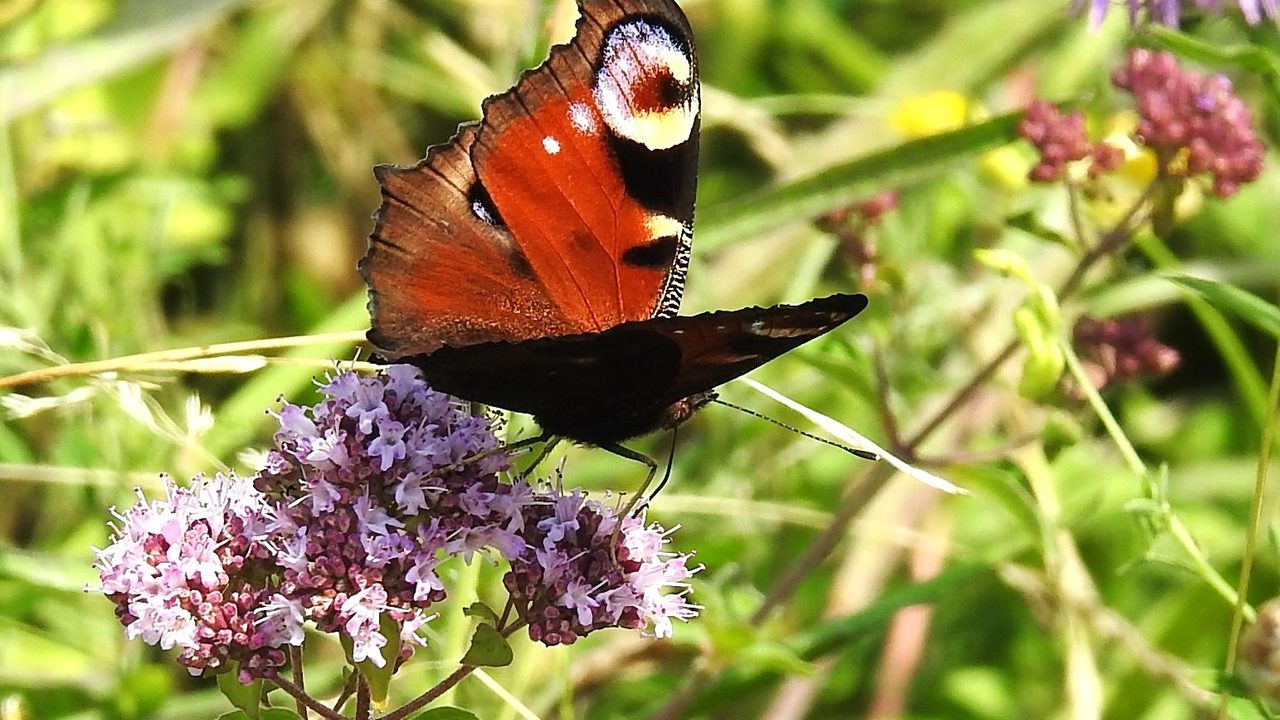
"In the second half of July, the flower strips in Stromovka Park are in full bloom. Right now you can see St. John's wort, meadow cornflower, common oregano, meadow cranesbill, common mullein and wild carrot in flower. At other times of year, at least some of the plants that bloom from May through the end of September can be spotted. In the latter part of summer, the strips will gradually start to fade — which is essential for seed formation, ensuring new growth in the years to come," explained specialist Klára Řehounková.
Source: ekolist.cz