Inspectorate Charges Officer with Unlawful Shooting of Unarmed Man in Prague
USD 21,01
Popular
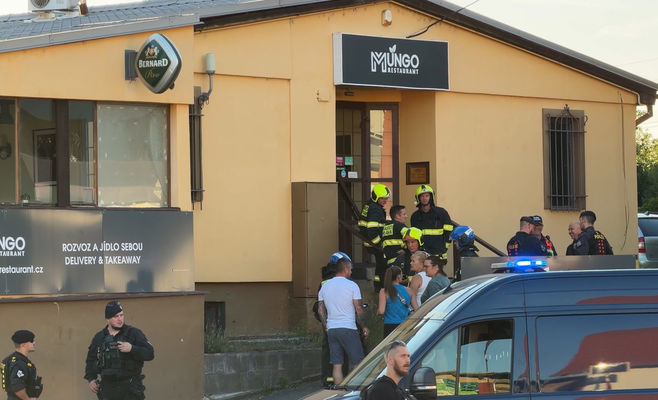
The General Inspectorate of Security Forces (GIBS) has charged a police officer who fatally shot 47-year-old Otakar Šmidt during a special operation in Prague. According to the inspectorate, the man was unarmed and clearly disoriented at the moment he was shot, and the officer fully understood that he posed no threat.
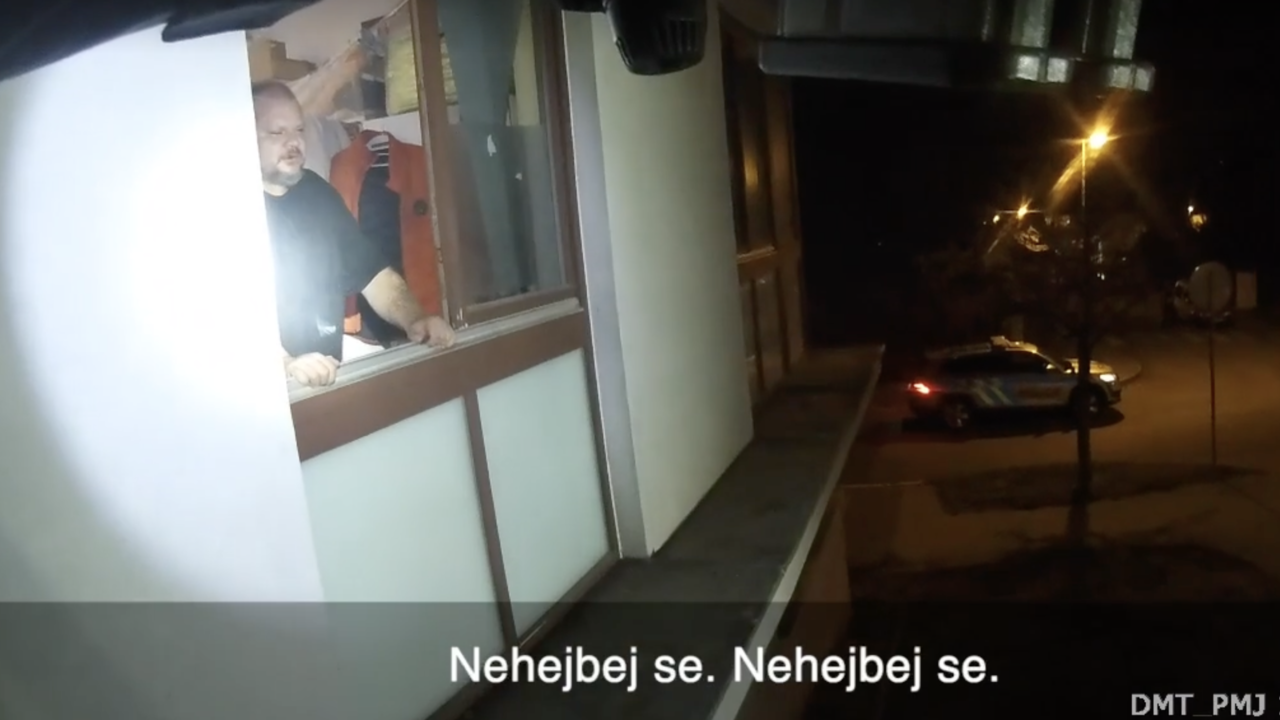
The tragedy occurred on the evening of August 20 last year. After police stormed Šmidt's ground-floor flat using flashbangs and tear gas, the weakened man jumped out of the window — despite officers outside shouting at him not to move. As he fell uncontrollably onto the lawn, he was struck by a bullet fired from the automatic rifle of officer Martin P. Despite immediate resuscitation efforts, Šmidt died.
Video Footage Became the Key Evidence
Footage from the shooting officer's own body camera turned out to be the decisive piece of evidence in the case. "The recording made by Martin P. himself unquestionably shows that he knew he was shooting at an unarmed, clearly disoriented man who at that moment posed no threat to anyone and presented no imminent danger," the indictment states.
The inspectorate rejected the officer's defense that he had feared for his life, believing the fallen man might attack him with knives that had been thrown from the window. Before jumping, Šmidt had indeed, at negotiators' request, thrown out the knives and axes he had collected in the flat. However, the inspectorate concluded, those knives lying on the lawn posed more danger to the falling Šmidt himself than to the officers.
"An uncontrolled fall from a window cannot be regarded as active resistance. Given the manpower and resources deployed, officers had every opportunity to prevent Otakar Šmidt from fleeing had he been capable of running after the fall," the document states. The inspectorate estimates the entire sequence — from the jump to the fatal shot — lasted at least 20 seconds, which it says gave the shooter ample time to properly assess the situation. GIBS described the officer's actions as "uncontrolled overzealousness in the line of duty."
Officer Martin P. now faces up to 16 years in prison for intentionally causing grievous bodily harm resulting in death. He has declined to comment on the case, citing a non-disclosure agreement. The victim's brother, Josef Král, said he had expected charges to be filed: "As far as I'm concerned, he shot for no reason," he said, adding that media coverage had played a crucial role in the investigation — otherwise, he believes, the case would have been "swept under the rug."
Negotiations Cut Short Too Soon
Interrogation transcripts reveal that a series of questionable police decisions preceded the shooting. The first team on scene had managed to establish contact with Šmidt and persuaded him to put down a knife he intended to use to harm himself. The man asked that reinforcements arrive without flashing lights — the request was relayed over the radio, but the arriving vehicles switched on their sirens at full volume regardless.
The operation commander pulled out the initial officers, whom Šmidt had come to trust, and replaced them with a special unit. During questioning by GIBS, the sidelined officers made no secret of their frustration, saying that given twenty more minutes to negotiate, the man would have left the flat voluntarily. "If we'd talked to him for another twenty minutes, he would have come out," one officer stated. The officers who arrived later, however, insisted that the man, apparently under the influence of drugs, was unpredictable, and that deploying special equipment and heavily armored officers was warranted by the circumstances.
Body Cremated Without Family's Knowledge
Following Šmidt's death, the Prague 10 district authority arranged for his cremation at state expense as a so-called "social funeral" — without notifying his relatives. An internal review found that officials had not broken any laws: under funeral legislation, a municipality is obliged to arrange burial within 96 hours of being notified of a death if the family has not done so itself.
According to a district spokesperson, at least two close relatives were informed of the death the following day. Prague City Hall also confirmed that all deadlines and procedures had been followed, and that authorities are not required to determine why nobody came to claim the body. The relatives, however, insist they believed throughout that the body was being held by investigators for the ongoing investigation and forensic examination, and were waiting for an official notification from police. They say they had no idea the hospital had already released the body and that the 96-hour clock had started running.
According to the Police Presidium, only one case of unlawful use of a firearm by an officer was recorded between 2015 and 2024 — a mistaken discharge of a weapon in 2020. Prague police currently have 1,597 personal body cameras at their disposal, though police leadership does not track how many armed operations take place without any recording.
Source: seznamzpravy.cz