Low-income families in Czechia struggle to kit children out for school, even though basic education is legally free
USD 21,01
Popular
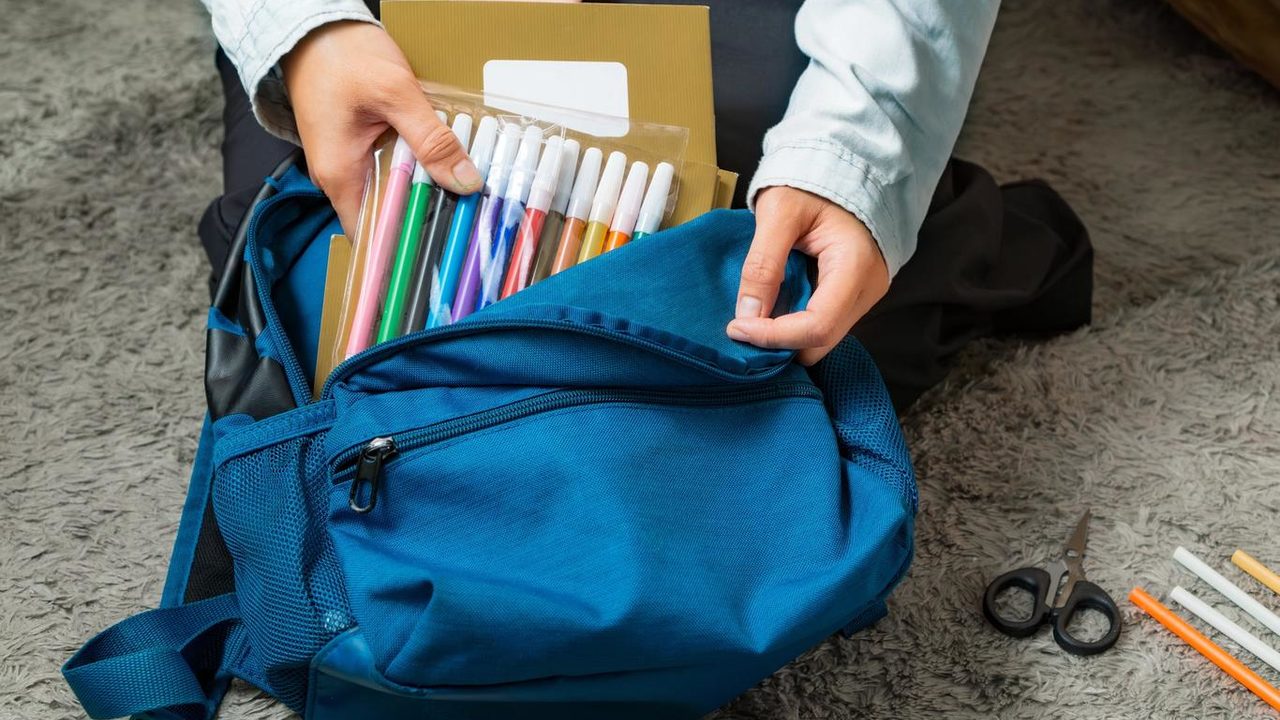
In Czechia, more and more low-income families are unable to cover the cost of school supplies on their own as the new academic year approaches — even though basic education in the country is supposed to be free by law. This is according to an August survey by Provident Financial and the Neviditelní project, which looked at how much parents spend sending their children back to school.
Summer is already a tough stretch for low-income households: during the ten months of the school year, children get hot meals at school canteens for free or at a reduced price, but for the two summer months parents have to feed them entirely out of pocket. By the end of August, on top of that come the costs of backpacks, notebooks, textbooks and gym kit.
Half of families can't manage on their own
According to the survey, among the population as a whole, 80% of parents are able to cover school-supply costs by themselves. But among families with a net income of up to 25,000 crowns a month, only about half can manage without help. The rest turn to relatives, non-profit organisations or the state.
Such families spend on average between one and two thousand crowns on backpacks, notebooks, textbooks, stationery and art supplies — requirements vary a lot from school to school. Three-quarters of low-income parents expect to spend more on school supplies this year than last.
According to Petra Květová Pšenična, co-founder of the non-profit Fandi mámám, the number of requests for help from single mothers spikes sharply at the start of the school year. Most often what they can't afford are the "small things" — notebooks, pencils, glue and art supplies — which, added together, come to a sum many simply can't manage.
As for school lunches, more than 80% of parents in the wider population pay for them without any trouble out of their own pocket. But among low-income families, 20% rely on help from relatives, and another 10% apply for a state benefit. On average, feeding one child lunch costs between two and four thousand crowns over a six-month period.
A third of low-income families admitted that if school-related costs keep rising, they'll have to cut spending elsewhere — on food, clothing or leisure. Almost one in eight such families is ready to give up ski trips and outdoor school programmes, and one in ten would cut back on after-school clubs or childcare. More than 10% of parents said they'd be willing to look for extra work or take on overtime just to get their kids ready for school.
Charging for mandatory supplies is illegal
Helena Zitková, a teacher, university lecturer and author of books on education, points out that by law, parents aren't obliged to buy their child anything for school at all. "Attending state primary schools is a free public service, and parents themselves decide what they're willing to fund for their child," she explains.
Czechia's Schools Act explicitly enshrines the principle of free basic and secondary education for Czech and other EU citizens at state schools. Neither the law nor the Education Ministry's guidelines require parents to buy notebooks or stationery. Schools have no right to force parents to pay for the materials and workbooks needed for lessons — a point also made by the Czech School Inspectorate, which describes such demands as a violation.
Zitková also considers the question of paying for textbooks, and "wear and tear" fees for books that are supposed to be provided free of charge, to be a grey area. The situation is different if a textbook is lost or damaged beyond normal use — in that case, asking for compensation is entirely reasonable. Parents are also free to decide for themselves whether to contribute to the class fund for shared needs such as paper, tissues or prizes, and they have the right to ask the school for an account of how that money was spent.
Low-income families can get material support through Diakonie's "School Supplies From the Heart" collection, local branches of Charity, the FandiMat app, or a one-off "Immediate Material Assistance" payment available through the municipal social welfare office.
Read also: Free Czech courses for foreigners: where to learn
Source: denik.cz