Migrant women in Spain's Ceuta live for months under threat of sexual violence outside refugee centre
USD 21,69
Popular
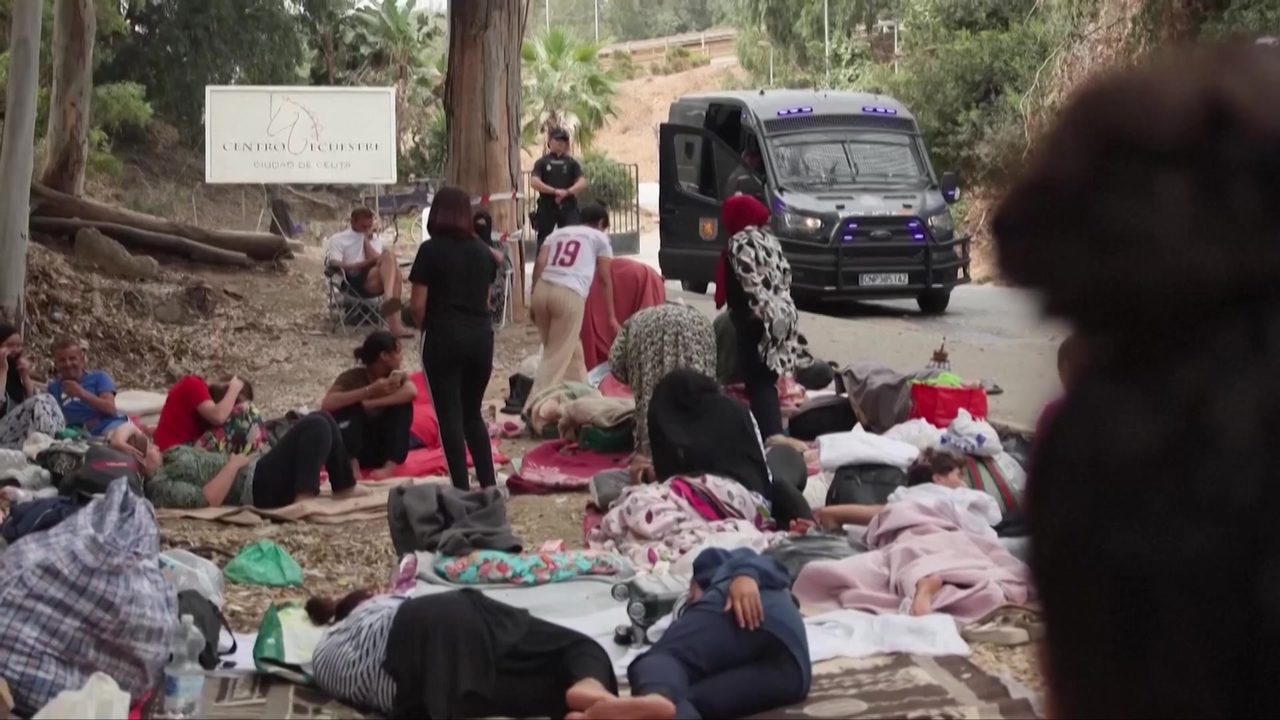
In the Spanish enclave of Ceuta on the North African coast, dozens of migrant women fleeing persecution in their home countries are sleeping outdoors near the overcrowded CETI reception centre for refugees — and, they say, are regularly subjected to sexual harassment and assault. Reuters reports the accounts, based on interviews with the women themselves.
One of them, 28-year-old Wafae Atid, fled the Moroccan city of Taza after her family refused to accept her rejection of Islam. She is now awaiting a decision from the Spanish authorities on her case and, together with more than a dozen other women, sleeps on cardboard, air mattresses and blankets in a makeshift camp as close as possible to the police van stationed at the centre's entrance.
But even there, she says, there is no safety. "There are a lot of men here who try to pull us away from the others — maybe for sex or something like that. Every night they try to do this and attack the girls. They watch us even when we just go to the toilet," Atid told the agency. According to her, the attackers come from various backgrounds, including men from African and Arab countries.
Women too afraid to sleep at night
The women have no separate showers and have to wash in the toilets. At night, fear keeps them from sleeping much, and they only manage to rest in the morning once everyone else is up. "You never know what could happen," Atid explains. The stress has caused her periods to stop, but she refuses to return to Morocco even if it means remaining homeless in Spain: "I want the freedom to believe what I want and to live the way I want."
A similar story comes from 20-year-old Dikra Tetuan, who arrived in Ceuta with her 17-year-old sister. She says harassment is routine: "Of course it has happened. Not once, but many times." The women mostly defend themselves by screaming to attract attention. "We complain to the police that we're being harassed and attacked. They tell us: 'There's nothing we can do for you,'" she says. Spain's Interior Ministry and police did not respond to Reuters' request for comment.
Another woman, Zahur Hammouch, already fears the long-term effects of what she has endured: "We will be psychologically broken. I don't think any of the women here will be able to return to a normal life after what we've been through."
Police record 15 attacks
According to Spanish police, 15 cases of sexual violence of varying severity have been registered in Ceuta since 30 July, with most victims being minors. Ceuta's judicial authorities confirmed they are investigating three cases of sexual assault against migrant women. Spain's Health Minister Mónica García said medical staff had treated five women who suffered sexual violence.
Authorities are also facing an acute shortage of housing for migrants. The CETI reception centre is designed to hold around 500 people, but according to local authorities, it currently houses about 200 more than that. As a result, additional temporary facilities are being set up, and authorities, together with the Red Cross, distribute roughly four thousand meals a day along with hygiene supplies for women.
Save the Children, UNICEF and Amnesty International warn that women — and especially girls — are among the most vulnerable groups in overcrowded Ceuta, and are demanding safe housing and specialised support. Lucila Rodríguez-Alarcón, a representative of the PorCausa foundation, stresses the need for separate toilets and showers for men and women, as well as the implementation of safety protocols already used in refugee camps.
Source: seznamzpravy.cz