Minister Juchelka Accuses Journalist of “Disgusting Work”: How the Babiš Government Is Hardening Its Rhetoric Against the Media
USD 21,08
Popular
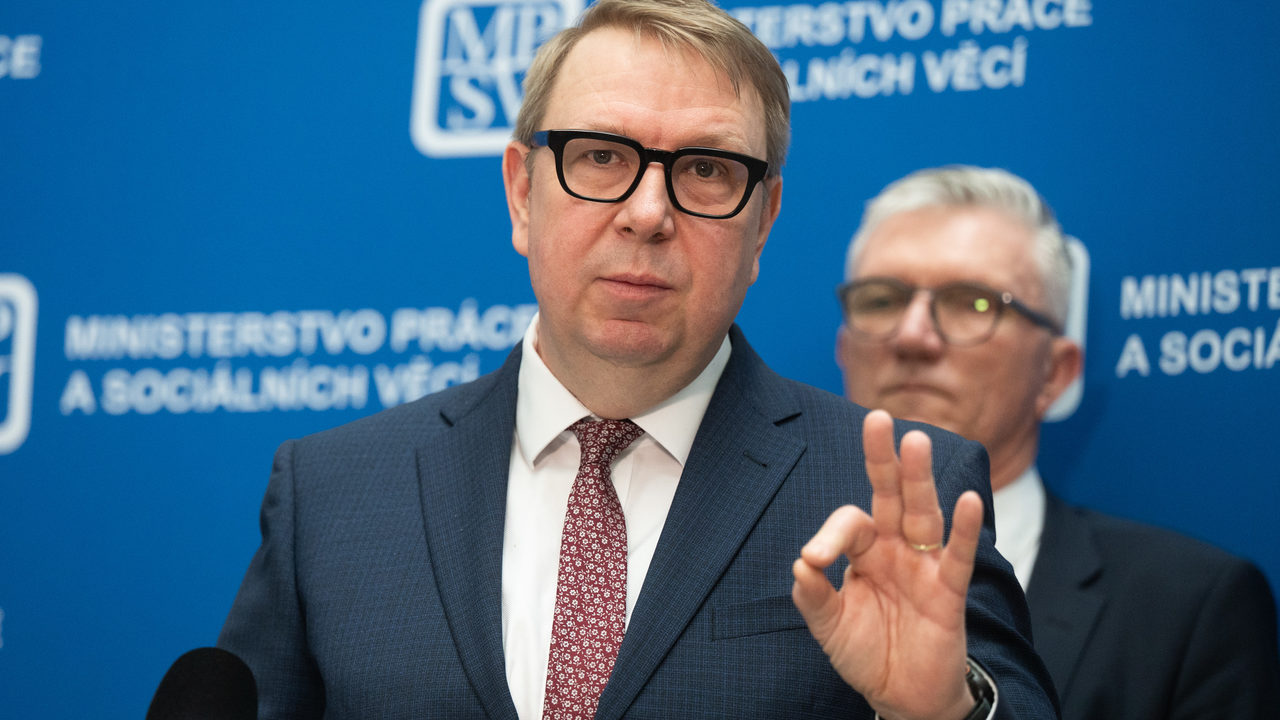
On Monday, Transport Minister Aleš Juchelka publicly lashed out at a young journalist from Seznam Zprávy during a press conference, declaring: “This is disgusting journalistic work. You should be ashamed to work for Seznam Zprávy.” The outburst was triggered by an investigation into a conflict of interest involving his advisor, Alexandra Semancová, whose projects — despite an obvious conflict of interest — were later removed by the minister himself from a package of European subsidies, effectively confirming the validity of the journalists’ claims.
According to the outlet, Juchelka had earlier defended his advisor as “an excellent woman doing her job well,” before shifting the blame onto his predecessor — contradicting his own earlier statements.
Journalists note that this incident is not an isolated case but part of a broader pattern in how Andrej Babiš’s government treats the press. According to the newsroom, ministers are increasingly resorting to personal attacks when dealing with reporters, preferring to speak only with those who avoid uncomfortable questions. Ministry spokespeople, who are paid from the state budget, are more and more often refusing to engage with independent media outlets.
One of the most telling examples occurred recently in the office of Minister Petr Macinka, whose staff barred Deník N reporter Zdislava Pokorná from a press conference — leaving inconvenient questions firmly outside the door.
Journalists say that after such public clashes, editorial inboxes are flooded with angry letters from readers — typically supporters of the ruling parties. The recurring complaints: that the outlet covers events one-sidedly, focuses only on scandals surrounding the ruling coalition, and ignores older cases such as “Kampelička,” “Dozimetr,” or the bitcoin affair.
The editorial team points out that it was the first to expose the “Kampelička” case, back under Petr Fiala’s government, publishing 46 original pieces on the subject, and a year later was the first to reveal a damning audit by the Czech National Bank. In the “Dozimetr” case, the outlet’s journalists were also the first to interview a key witness known as “Gucci” — even before the police did. Nor has the outlet spared the opposition: this year it ran a series of pieces on lobbyist Roman Janoušek and his ties to ODS, as well as investigations into ODS’s Filip Dvořák that complicated his political comeback.
Journalists stress that holding those in power accountable is a basic function of independent media — not a matter of partisan sympathy. What worries them, however, is not any single combative minister, but a broader trend: as personal attacks on journalists become normalized in political communication, public discourse as a whole grows coarser. This, the outlet argues, is where the real danger lies.
Source: seznamzpravy.cz