Musk refuses to give Ukraine Starlink access for strikes on Russia
USD 21,04
Popular
Elon Musk has refused to provide Ukraine with access to the Starlink satellite system for strikes on Russian territory. Ukrainian President Volodymyr Zelensky has repeatedly raised the issue with various parties, hoping to use satellite connectivity to guide drones toward Russian missile launchers — an alternative to American Patriot systems, whose stockpiles have dwindled due to the war in Iran.
Zelensky made his latest attempt to secure approval on July 28 during a visit to the White House, asking US President Donald Trump to arrange a meeting with Musk. Trump declined, and Musk has now formally rejected the idea of using Starlink for such purposes altogether.
Musk fears further escalation
According to sources cited by the United24 portal, Musk insists on the need to reach a peace agreement and warns of the risk of further escalating the conflict. Mykhailo Fedorov, Ukraine's former Minister of Digital Transformation, who negotiated an agreement with Musk earlier this year to block satellite access for Russian forces, is reportedly still trying to reach the entrepreneur through unofficial channels, according to sources close to the Ukrainian government.
As a result, Ukraine is considering an alternative — SpaceX's military-grade Starshield satellite system. However, it would be more expensive and harder to integrate with existing systems.
Currently, SpaceX only allows the Ukrainian military to use Starlink within Ukraine's territory, including regions occupied by Russia, such as Crimea. Experts estimate that extending coverage into Russian territory could increase the operational radius to 500 kilometers, theoretically enabling strikes deep inside Russia, as far as Siberia.
This is not the first time Musk has refused such a request: in 2022, fearing escalation and the potential use of nuclear weapons, he blocked Ukraine from using Starlink to strike Russian ships near Crimea.
Strikes on Kyiv expose air defense gaps
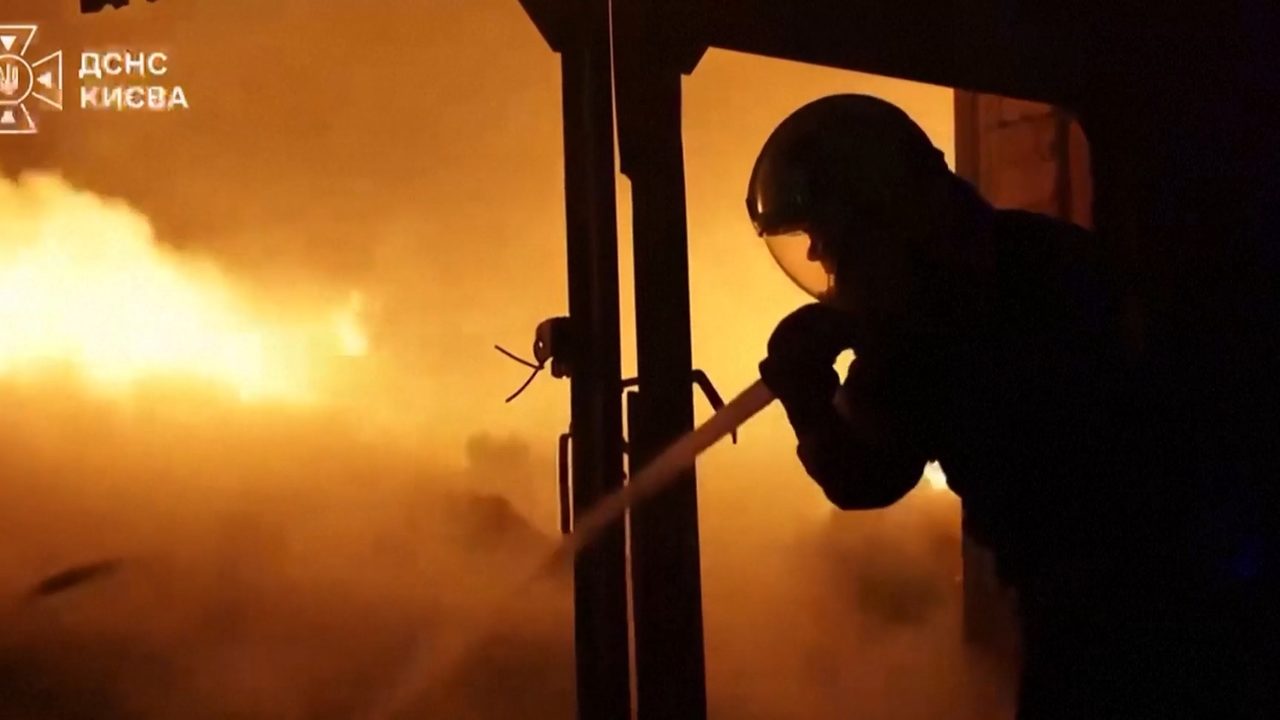
Events in Kyiv over the past week have starkly illustrated the limits of Ukraine's air defense capabilities. A nighttime strike on Kyiv's eastern outskirts killed three people, including a child. During Wednesday's attack, Ukrainian air defenses failed to intercept any of the 28 ballistic and other missiles launched. Due to insufficient air defense coverage, the strike killed at least 17 people and wounded another 44.
Source: novinky.cz