New EU Packaging Rules: Market Faces Transitional Chaos, But Not Mass Price Hikes
USD 21,04
Popular
The European Union is introducing a new Packaging and Packaging Waste Regulation (PPWR) that will require manufacturers to cut packaging waste, minimise empty space in transport packaging, and ensure full recyclability of materials, according to industry expert Martin Geiger.
He says the new requirements will create serious technological and logistical challenges for some companies — particularly when it comes to tracking product batches and verifying carbon footprints. At the same time, manufacturers that have long invested in sustainability, the circular economy, digitalisation and "Industry 4.0" already meet a significant share of the upcoming standards.
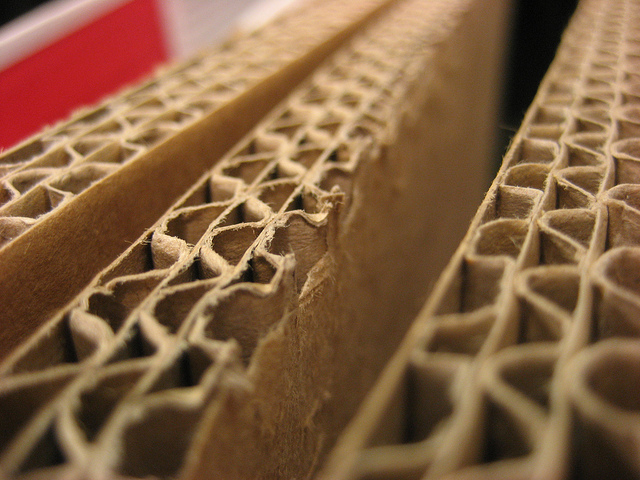
Companies working with corrugated cardboard stand to gain a particular advantage: the material is already considered environmentally friendly, so they won't have to grapple with the issue of recycled content in packaging — a requirement that will prove one of the most painful for plastic packaging producers.
Nevertheless, the new regulation will raise the bar for record-keeping, reporting and documentation for all market players. Some companies will need to redesign their packaging or change its material composition, along with updating the accompanying paperwork.
The main problem, according to the expert, is the lack of a clear methodology and unified rules to systematise all the requirements. Penalties for non-compliance haven't been defined, no transition period has been set, and the regulation itself takes effect in a matter of days — even though many details are still under discussion and lack the clear wording manufacturers need to overhaul their internal processes. Real-world implementation of the new standards is expected to be delayed.
Given the scale of investment needed to retool materials and equipment, there's been talk in the market of inevitable price hikes for finished products — but the expert calls these fears overblown. He notes that the cost of packaging itself will continue to depend on energy and raw material prices rather than on regulation as such. Pressure to reduce paper weight and boost economic efficiency in the industry existed well before this legislative initiative, and switching to packaging sized precisely to fit the product has proven to save material.
What could genuinely become more expensive is something else — the administrative burden and the investment food and consumer goods manufacturers will need to make in automating their packaging lines. It's these upfront technological costs that may ultimately be reflected in the prices of some products for end consumers.
Overall, the new European rules promise short-term transitional chaos and a heavier burden on business, while also opening the door to large-scale supply chain optimisation. Success in the packaging industry will now be defined not by mere formal compliance with regulatory requirements, but by finding genuinely well-thought-out, material-efficient solutions that benefit manufacturers and customers alike.
Source: ekolist.cz