Nighttime Tourist Rush to Sněžka Peak Takes Toll on Krkonoše Nature: 23 Fines in a Single Morning
USD 21,00
Popular
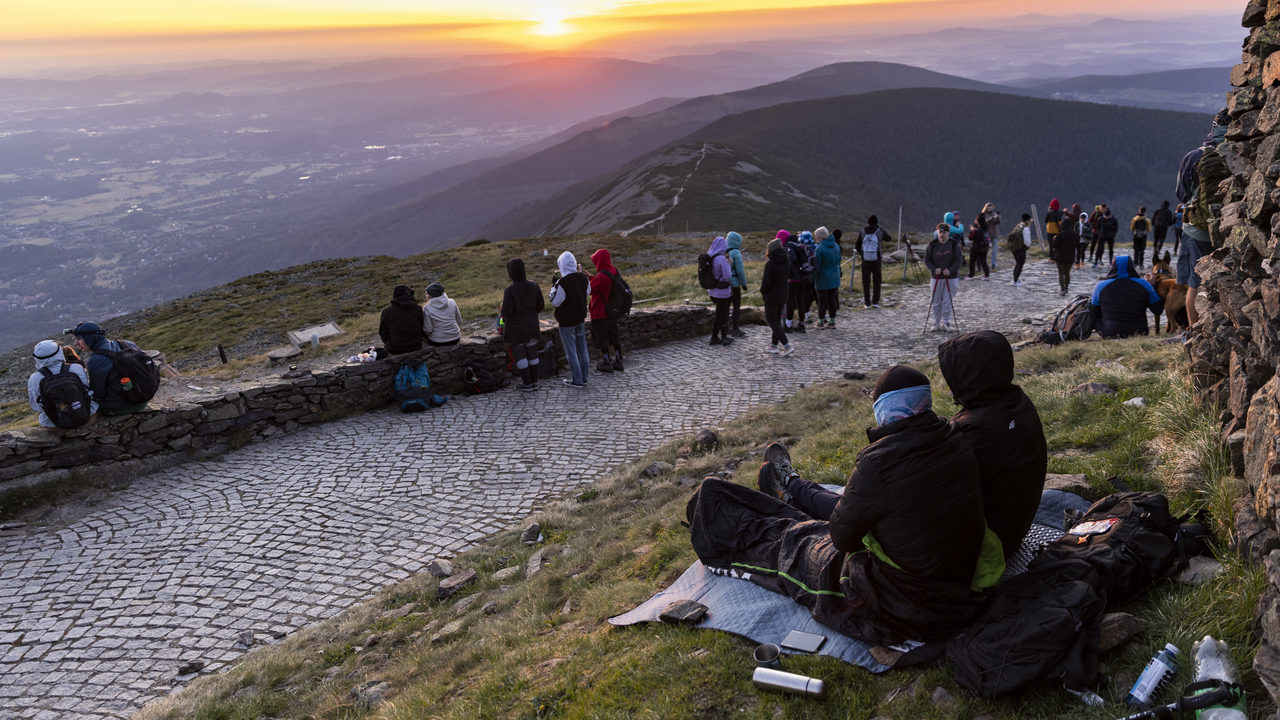
Krkonoše National Park in Czechia has reported a sharp rise in the number of tourists climbing Sněžka at night to photograph the sunrise. Over the past weekend, according to park administration data, rangers teamed up with police for a spot check and issued 23 fines for violations of the rules governing this protected area.
Radek Drahný, a spokesperson for Krkonoše National Park, says that just a couple of years ago around 115 people on average climbed to Sněžka for sunrise each day. Now those numbers have multiplied several times over — during one of his own observations he counted roughly 400 people, and last Sunday, by his estimate, as many as 500 tourists gathered on the mountain at once.
Why the nighttime crowds are growing
According to park officials, social media is largely to blame for the popularity of these nighttime climbs. "Sunrise photos look beautiful and romantic, but what's left out of the frame is everything happening around the photographer — usually several hundred other people shooting the exact same shot," Drahný noted. He added that this isn't unique to Krkonoše; similar problems plague popular natural landmarks in Iceland and Norway.
Czech law currently places no restrictions on moving through the mountains at night — unlike neighboring Poland, where the national park only permits hiking from sunrise to sunset. Still, the park representative stresses that even without a formal ban, the sheer volume of people present at night is taking a toll on nature.
Who suffers from the nighttime hikes
Drahný explains that birds nesting on Sněžka are constantly disturbed by the steady stream of visitors. On top of that, the tourist season is disrupting the circadian rhythms of red deer, the largest mammals in Krkonoše. Normally, the animals are active at dusk, rest during the day, and sleep at night. But as the summer tourist season ramps up and human traffic increases, their rhythms shift, forcing them to stay awake precisely when they should be resting.
All 23 fines issued during Sunday's check were for the same violation: people entering areas closed to visitors — fragile alpine meadows that are protected with special netting during the day. At night, however, tourists sit down right on these patches of ground, brew coffee on portable stoves, and heat up breakfast, causing serious damage to the vegetation.
What the park is proposing
Park officials emphasize that the goal isn't to ban tourism or nighttime walks altogether — people being active outdoors is a good thing. The point is different: reminding visitors that they are only guests in the mountains, and that nature, especially at night, needs peace and quiet.
The park administration calls the idea of paid permits for nighttime visits pure fantasy and isn't considering a blanket ban on nighttime tourism along the lines of Poland's — not least because current Czech law makes that impossible anyway. The park's main appeal is simple: let nature rest, at least at night, and think twice about whether that sunrise photo from the top of Sněžka is really worth it.
Source: seznamzpravy.cz