No cappuccino after lunch and no rushed pasta: how not to embarrass yourself at the table in Italy
USD 21,04
Popular
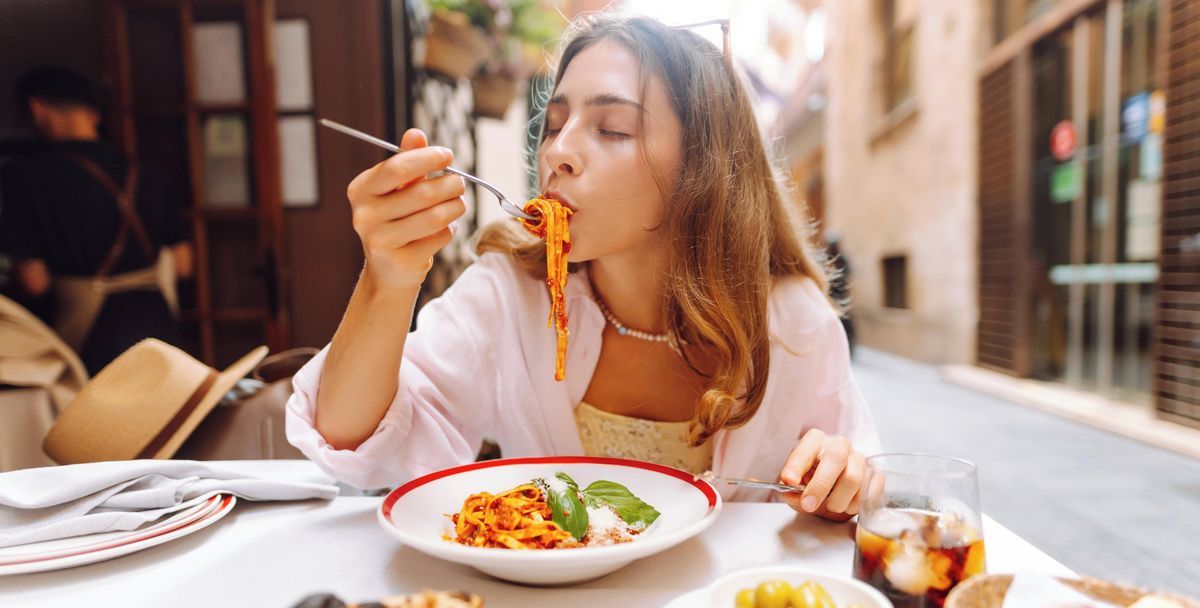
Italian dining follows its own unwritten rules, and tourists who break them risk puzzled looks from waiters and locals alike. This according to journalist Sandovalova, the daughter of Italian immigrants in the US, who spent fourteen years living in the Italian town of Terracina, in an interview with the BBC.
The first and most important rule concerns cappuccino. According to Sandovalova, it's best not to order this drink in a restaurant at all — while there's no consensus on exactly what time it becomes improper to drink it, one thing is certain: in Italy, cappuccino is strictly a breakfast drink, enjoyed alongside a light pastry like a brioche. After main meals, Italians prefer espresso or macchiato, and a heavy milk-based drink after a hearty lunch or dinner is considered out of place.
Just as important is following the correct order of courses: first the appetizer, then pasta, followed by the main course of meat or fish with salad, and only at the end, dessert. "You can skip a course, but you can't change the order," the journalist emphasizes. According to her, asking for pasta and the main course to be served together sounds strange and unfamiliar to Italians.
Another taboo is mixing "mountains and sea" on one plate — that is, combining seafood and cheese. Risotto with mussels is never sprinkled with parmesan: in Italian culinary tradition, seafood and aged cheeses developed as separate culinary paths and are almost never paired together.
You also shouldn't ask to swap out ingredients in a dish — this is seen as disrespecting both the recipe and the chef's skill. The only exceptions are made for allergies and special dietary needs. As Sandovalova explains, short pasta shapes are designed for thick sauces that cling to them, while long pasta is meant for lighter, more delicate sauces that coat it — and it's simply not done to mix up this logic.
Regional differences matter too: what's typical in the north of the country may be completely unfamiliar in the south. The journalist recommends trying pizza in Naples, where it originated; limoncello made from local lemons on the Amalfi Coast; pesto in Genoa; cacio e pepe or carbonara pasta in Rome; Florentine steak in Florence; and experiencing aperitivo culture in Venice.
The golden rule of an Italian meal is not to rush anywhere. Dinner can stretch on for several hours, with pauses between courses reserved for conversation — after all, a meal in Italy is above all an occasion to socialize. If you show up for dinner at a typical Italian hour, meaning after nine in the evening, the gathering can easily run on until close to midnight.
According to Sandovalova, the evening should be capped off with amaro — a bitter digestif made from citrus peel, nut shells and herbs. This, rather than anything else, is considered the perfect finishing touch to a long Italian meal.
Source: novinky.cz