Nové Mlýny reservoirs choking on phosphorus: Morava River Basin chief unwilling to drain them
USD 21,08
Popular
On the Dyje River in South Moravia, fish died en masse again this summer — an estimated ten tonnes, with an exact figure to be released later by the Moravian Anglers' Union. A year earlier the situation was even worse, with tens of tonnes of fish killed. The cause is the accumulation of thousands of tonnes of phosphorus in the Nové Mlýny reservoirs, which turns the water into a toxic green "soup" of blue-green algae every summer.
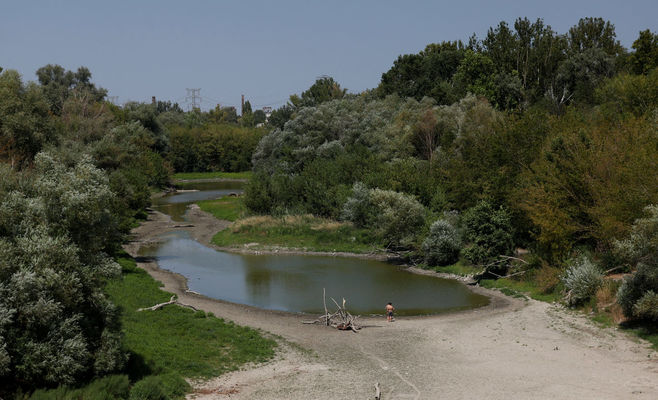
This was explained in an interview by David Fína, director of the state enterprise Povodí Moravy, which manages the river. According to him, this summer was actually riskier than last year: April and May were the warmest since 1961, and the combination of low water levels and heat hit not only the Dyje but other rivers and bodies of water across the country.
According to Povodí Moravy, about 150 tonnes of phosphorus flow into the reservoirs every year — from wastewater, soil runoff and detergents. Over the past decade, the average regional temperature has risen by roughly two degrees, and climate projections allow for a further rise of four degrees by 2050. This intensifies evaporation, and the Dyje basin currently carries only about half the water flow of the long-term average.
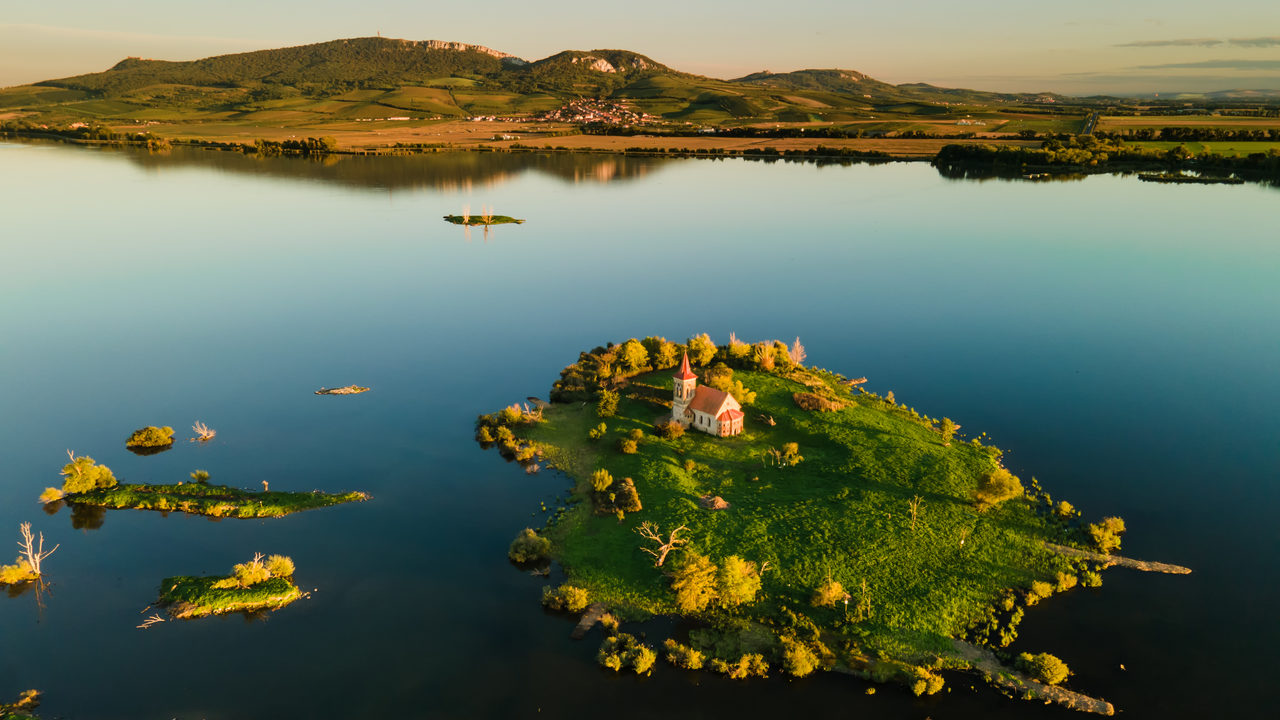
Some environmentalists insist on a radical solution — draining one or several of the three cascading reservoirs to partially restore the river's natural self-cleaning capacity. Fína strongly disagrees: "I am firmly against draining the lower or middle Nové Mlýny reservoir, and I am convinced this cannot happen in the coming years," he said.
According to him, the key problem lies specifically with the middle reservoir, which collects the bulk of the nutrients flowing in from the Svratka, Jihlava and Dyje river basins. Restoring only the lower reservoir would have minimal effect — the "green" stretch of river would simply extend a few kilometres further. Moreover, draining the lower reservoir would deprive the region of more than 80 million cubic metres of water — a critical reserve for one of the driest areas of Czechia, where the shortage of new water sources is already being discussed.
At present, during droughts the reservoirs maintain the Dyje's flow at 10–12 cubic metres per second, while inflow is only about six cubic metres, dropping to four during extreme drought. Without the dams, roughly half as much water would flow through the river, disrupting supply to protected natural areas and fish ponds in the region.
Dredging is not a cure-all either, Fína notes: the volume of accumulated sediment is so vast that removing it with dredgers would take years, and figuring out where to put the contaminated silt is a separate, unsolvable problem if it turns out to be unsuitable for use on farmland.
Instead of radical measures, Povodí Moravy intends to push for stricter standards for treatment plants across nearly the entire Dyje basin, continue riverbed revitalisation (about three-quarters of a billion crowns have already been spent on this in recent years), and better coordinate fish stocking in the reservoirs — last year, according to Fína, a stretch of the river was overstocked with fish due to the 2024 floods.
The enterprise's director admits that completely avoiding repeated fish kills in the coming years is unlikely — but monitoring and water flow management can reduce both the risk and scale of such events.
Read also: 8 best swimming spots near Prague: lakes, quarries and beaches an hour from the capital
Source: seznamzpravy.cz