ODS drops candidate Dvořák over 230-million-crown fortune, but he refuses to back down
USD 21,04
Popular
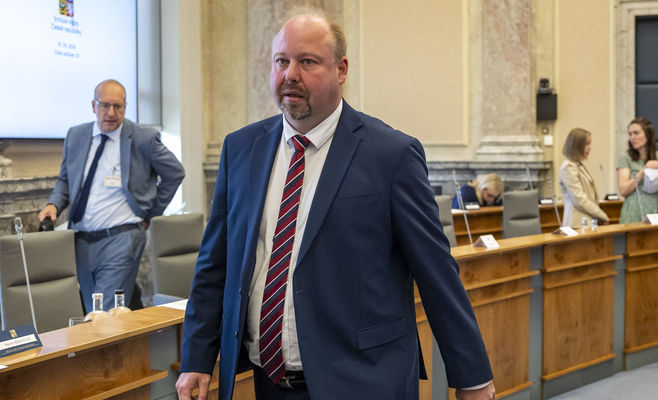
The nationwide executive council of the ODS party, led by chairman Martin Kupka, has removed former Prague 1 mayor Filip Dvořák from its list of candidates for the autumn parliamentary elections. The reason cited was uncertainty surrounding his assets, worth more than 230 million crowns, which party leadership considers a serious reputational risk for ODS.
The Prague branch of the party received an ultimatum from central leadership: submit a new candidate list without Dvořák's name by 24 July. He responded immediately, publishing a sharply worded statement on social media accusing both journalists and party leadership of lying: "What's most shocking is that lies about me, aimed at my political liquidation, are being spread by ODS leadership members themselves, headed by Chairman Kupka."
The former mayor refuses to give up and insists the issue isn't about any real wrongdoing but personal animosity from Kupka. According to him, the hundred-million-crown inheritance he received in 2018 was properly documented, and the tax authority reviewed it without any objections.
"In the past, ODS leadership has been remarkably sluggish and selective when it came to real scandals, such as the Dozimetr or Bitcoin cases, deliberately sidelining them. I don't intend to let the same people selectively destroy me in the same way," Dvořák said. Still, few commenters under his post have voiced support.
In recent weeks, Dvořák has also been actively promoting on social media the idea of bringing the traditional Prague sausage stands back to the city's streets. Yet the last kiosk that sold Prague sausages, among other things, was dismantled back in 2020 — following years of disputes during which the vendors racked up tens of millions of crowns in debt to the city while trading illegally for years.
While Dvořák portrays himself as the victim of an internal party feud and talks about his responsibility to his fellow residents of Prague 1, documents from the district administration — which remains under ODS influence — show that the patronage network he built in the district continues to run smoothly.
A telling example is the recent allocation of municipal starter flats on Černá and Samcova streets, intended to help young people from the local community. According to available information, fourth on the list of successful applicants was Michal Valenta — son of an influential Prague entrepreneur and a longtime key ally of Dvořák.
Questions have also arisen over the lease of premises at Na Perštýně 17. To reject the highest financial bids, the district administration retroactively changed the tender conditions, requiring the space to house a health-food shop for people with intolerances and allergies. Yet today the shop sells ordinary whipped-cream cakes, and according to internal sources, the officially low rent merely served as cover for cash flows outside the formal contracts.
Longtime observers note that this kind of heavy-handed approach to managing city property has followed Dvořák's career since the 1990s — when, according to accounts, he openly pressured representatives of the international Tesco chain, threatening ruinous sanitary inspections, into selling plots on Národní třída where the Quadrio complex now stands.
Source: novinky.cz