Olomouc Hospital Hired Crisis PR Specialists Before the Pacemaker Scandal Went Public
USD 21,00
Popular
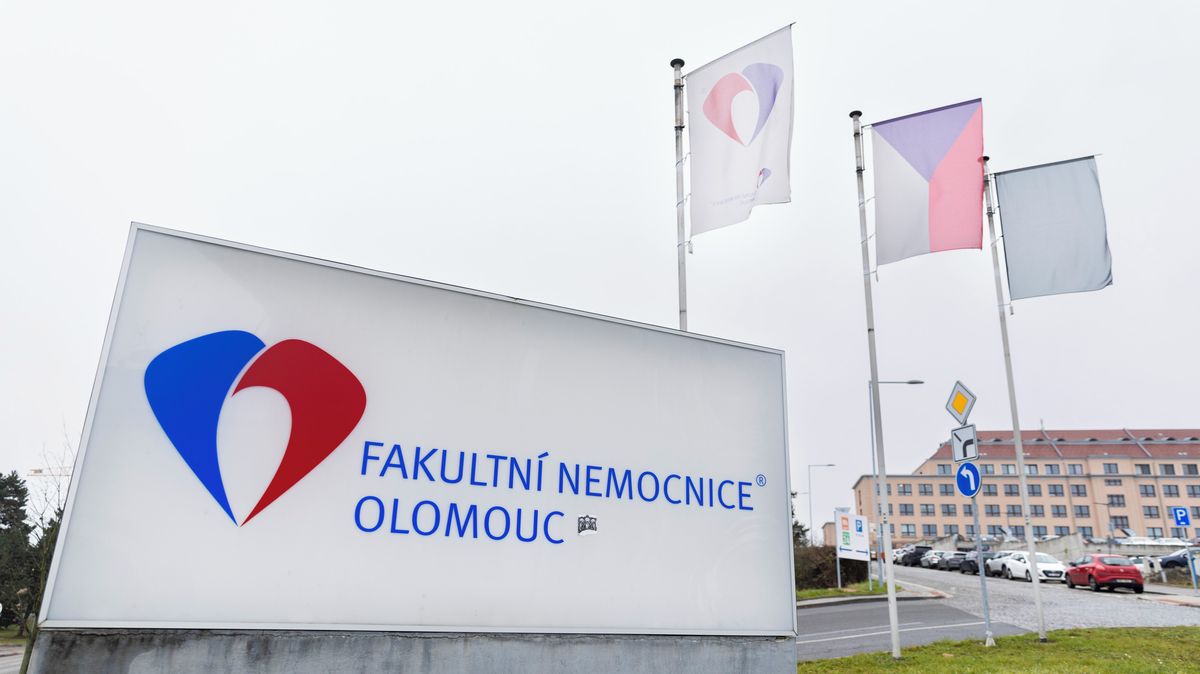
Despite public assurances that the situation surrounding defibrillator implantations at its cardiology clinic was under control, the management of the University Hospital in Olomouc had already signed a contract with a crisis-communications agency back in October 2025 — roughly a month before police first requested medical records in the case, and two months before the first media reports about the police investigation appeared.
According to the contract registry, the agreement with the Prague-based agency Ewing covered the development of a "crisis communication plan" and media consulting in the event of an "acute crisis situation." Agency co-owner Martin Jaroš said the hospital approached them right after police first showed up at the facility.
The cooperation continues to this day: a third service agreement was signed in May, and like the previous two, it was worth roughly half a million crowns at a rate of 3,173 crowns per hour. Ewing is no ordinary PR firm — it is one of the Czech Republic's best-known agencies specializing specifically in crisis communications, having previously represented the Japanese investment bank Nomura in its protracted dispute with the Czech state.
How much the hospital has paid the agency in total remains unclear. Hospital spokesman Adam Frič said it was difficult to locate data on paid invoices over the summer holiday period, since doing so requires coordination between several departments. He only confirmed that the services are purchased in packages and that the hospital is not obliged to draw on the full contracted amount.
The timeline of the case shows that warning signs emerged even earlier. In November-December 2024, an audit of the Profid Echra clinical trial found no violations. But on February 9, 2025, the clinic's head physician and deputy head, Martin Hutyra, warned hospital management in writing about possible falsification of medical records, illegal enrollment of patients in the trial, and defibrillator implantations carried out "in breach of established medical indications."
It was at that point, the hospital itself admits, that its cooperation with the agency became directly linked to a case threatening the clinic's reputation. The management's stance shifted noticeably over time: initially, the hospital insisted all procedures had been medically justified. Then in February, when police announced the launch of a criminal investigation on suspicion of grievous bodily harm and fraud, the hospital issued a press release denying any unjustified implantations — just a few days after signing its second contract with Ewing.
However, in early July, a new press release appeared in which the hospital acknowledged for the first time that some patients had indeed received defibrillators without medical indication, and that the devices may not only have failed to help but could have actively harmed patients' health. When asked whether the hospital's statements could still be trusted after this reversal, director Roman Havlík declined to answer, deferring the question to the press office. The spokesman said the hospital's position had not changed and that new information had simply emerged as the review of routine procedures continued.
Besides Ewing, the hospital also retained outside legal counsel — former prosecutor general Igor Stříž. The contract with the law firm Švára & Stříž, at a rate of 3,000 crowns per hour, was signed at the turn of October and November of last year — again, before the scandal officially broke. The agreement's terms cover the hospital's defense in criminal proceedings, including the potential defense of a client facing charges — an indication that management was aware of the gravity of the situation from the very start.
Although police have not yet filed charges against anyone, the hospital itself places the bulk of the responsibility on Miloš Táborský, the clinic's longtime former head of cardiology, under whom the number of implantations rose sharply. According to the investigation, director Havlík received information about suspicious procedures from former department head Hutyra as early as February of last year, but management did not deem it necessary to report the matter to police at the time.
In late June this year, director Havlík wrote to Hutyra asking him to provide data on the "many hundreds" of patients who, according to Hutyra's own media statements, had been operated on without proper indications. Hutyra refused, saying he had already handed over all the information to police, and accused the director of trying to "neutralize" the case rather than conduct an internal audit.
Health Minister Adam Vojtěch (of the ANO party) has so far kept Havlík in his post, saying any personnel decisions will only be made once the police investigation concludes. The Ústí nad Labem Regional Authority, which oversees the cardiology clinic where Miloš Táborský now works after leaving Olomouc, has adopted a similarly wait-and-see approach — even though his central role in the case has been public knowledge since December of last year.
As a reminder, news of police interest in Olomouc's cardiology clinic first emerged in December 2025. The investigation concerns defibrillator implantations — until recently, the Olomouc Region had significantly outpaced the rest of the Czech Republic in the number of such procedures per 100,000 residents, with the figures dropping sharply only last year.
Source: seznamzpravy.cz