Pavel: I can't imagine communication with Babiš staying like this — cooperation with the PM simply isn't working
USD 21,04
Popular
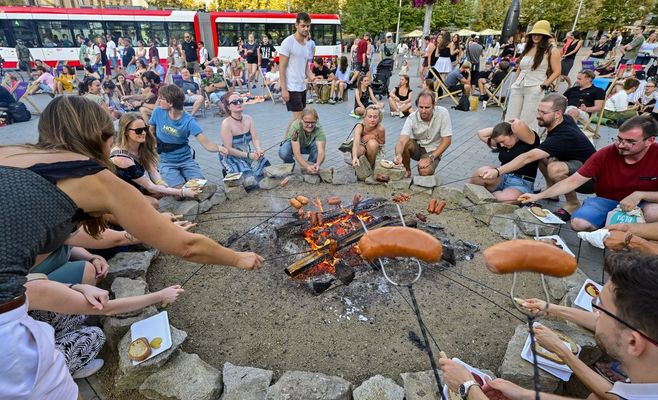
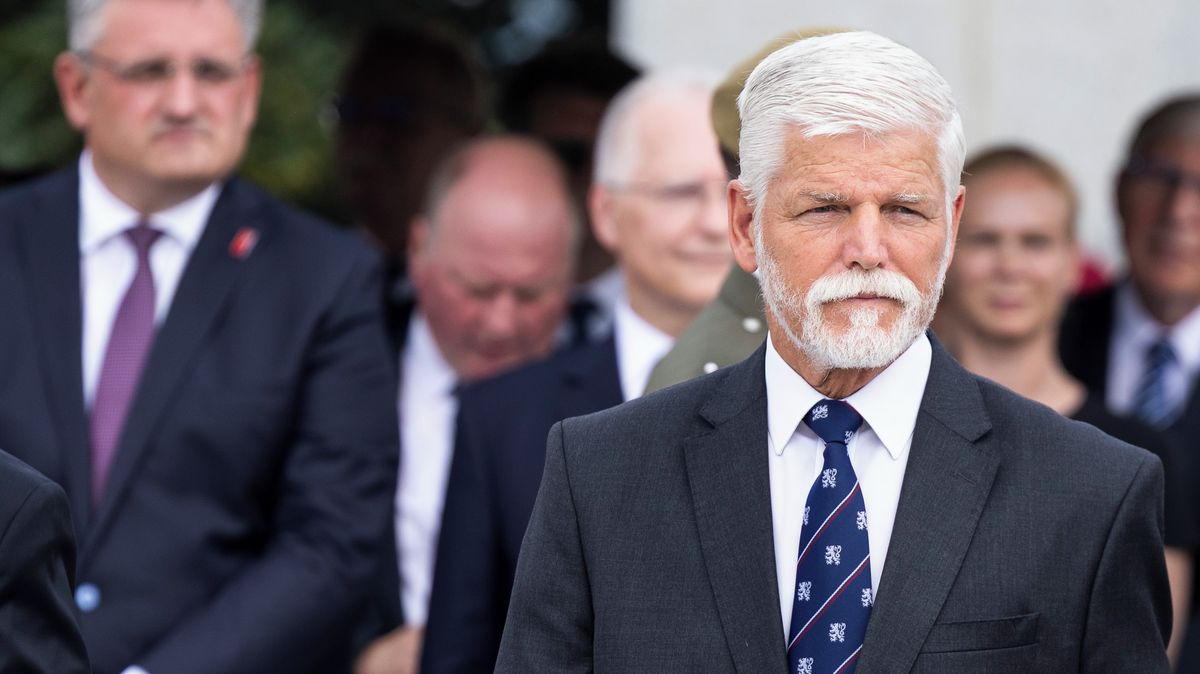
Czech President Petr Pavel said on Saturday at the Colours of Ostrava festival that he will announce his decision on whether to run in the next presidential election "at an appropriate time" sometime next year — for now, he said, it's still too early. The next Czech presidential election is due to take place in early 2028.
"There's almost a year and a half left until the next election, and I don't think we should spend all that time living in campaign mode — I doubt anyone would enjoy that," Pavel said. Still, he wants to announce his decision well in advance so that other potential candidates know what to expect and have time to prepare their own campaigns.
Back in June, in an interview with Seznam Zprávy, Pavel said that the disputes with the government over the composition of the Czech delegation to the NATO summit in Ankara were motivating him to run for president again.
Prime Minister Andrej Babiš (ANO) has repeatedly claimed in recent weeks that Pavel has effectively already launched a re-election campaign. The president flatly denied this. "When people want to divert attention from their own actions, it's often very effective to accuse the opponent of doing exactly that," Pavel said. He added that he sometimes gets the impression that Babiš and part of his entourage have launched a genuine anti-campaign against him, aimed at making his re-nomination impossible — or at least as unpleasant as possible.
As a reminder, Pavel was elected president in a direct vote in January 2023, defeating none other than Babiš in the runoff. His five-year term is counted from his inauguration in March 2023. Under the Czech constitution, the same person cannot serve more than two consecutive presidential terms. Babiš himself ruled out running against Pavel again in early July, though back in January, at an ANO party congress, he had said that discussions about a single party candidate for the presidential race should begin early next year.
At the Ostrava festival, Pavel also returned to the topic of July's NATO summit, ahead of which relations between Prague Castle and the cabinet sharply deteriorated. The government did not want the president to travel to the meeting in Ankara; Pavel then filed a complaint with the Constitutional Court, which issued a preliminary ruling obliging the authorities to ensure the president's participation in the summit.
According to Pavel, it's a good thing that the summit confirmed the alliance's unity and member states' readiness to take responsibility for their own security by boosting defense spending. "The bad news is that we are one of the few countries — you could count them on one hand — where that responsibility hasn't really materialized yet. We're still pretending that someone else should bear the burden, when in fact we simply can't afford that anymore," the president criticized.
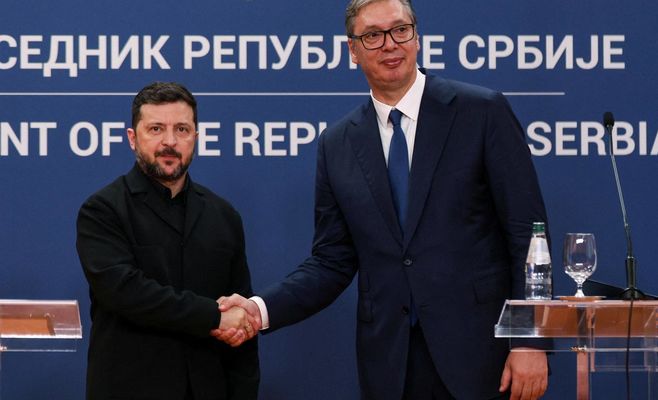
Pavel also complained that communication with the prime minister has effectively broken down. "Of course, I do have direct contact with Andrej Babiš. When I write to him, he answers, but he says he doesn't see the point in meeting. The same is happening at the level of our offices, where we're trying to sort things out through administrative channels — and there, too, not much progress has been made so far," the president described.
"I can't imagine this continuing indefinitely, because the president and the prime minister simply have to communicate," Pavel added, noting that he and Babiš share a number of powers that are important for running the country. "If they simply keep obstructing each other out of spite — and unfortunately, that's exactly what's happening right now — the whole country will suffer for it," the president concluded.
Source: seznamzpravy.cz