Poland Builds Motorways Twice as Fast as Czechia: 290 km of New Roads Set to Open by Year's End
USD 20,99
Popular
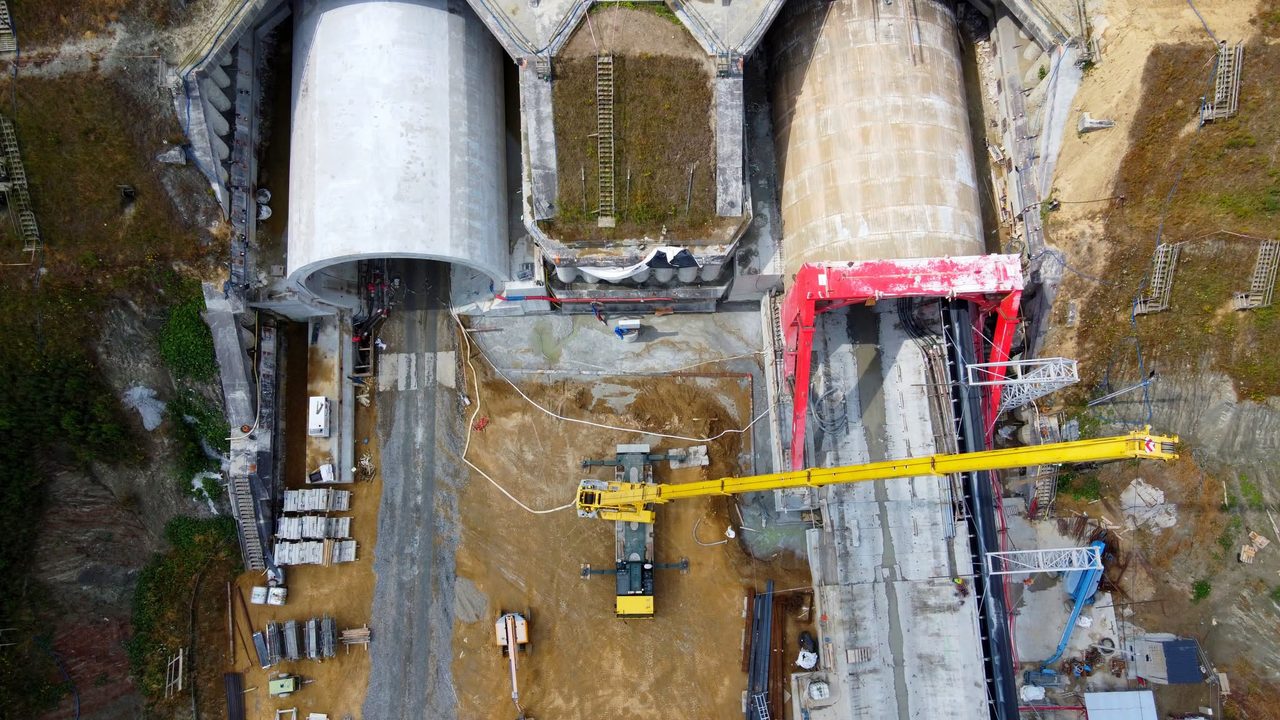
Since the start of the year, Poland has opened almost 163 kilometres of new motorways to traffic, with even more sections due to be completed before the end of 2025 — including part of the ring road around Kraków. According to the economic daily Rzeczpospolita, the country's annual construction plan looks set to be fulfilled in full.
Poland's General Directorate for National Roads and Motorways (GDDKiA) has earmarked 20 billion zlotys — roughly 112 billion crowns — for road investment this year alone, and intends to keep spending at this level at least until 2030. This year alone, tenders are planned for more than 200 kilometres of new roads.
By comparison, the Czech Road and Motorway Directorate announced back at the end of last year that Czechia expects to open only around 40 kilometres of new motorways in 2025 — a fraction of what neighbouring Poland is achieving.
Although Poland is roughly four times larger than Czechia in area, its road network is expanding almost twice as fast: Poland's motorway and expressway network will grow by more than 5% this year, compared with less than 3% in Czechia.
At the end of last year, Poland had almost 5,500 kilometres of motorways and expressways, with a long-term goal of expanding the network to 7,980 kilometres — meaning roughly 2,500 kilometres of new roads still to be built. Czechia currently has 1,567 kilometres of motorways in operation, with plans to grow the core network to 2,000 kilometres. The most recently opened stretch was the section of the D3 motorway between Nažidly and Dolní Dvořiště, put into service last Friday.
The gap in construction pace comes down to several factors. After joining the European Union, Poland channelled a significant share of EU funds specifically into transport infrastructure, and motorway construction became a long-term state priority regardless of changes in government — with the pace overseen by the central state agency GDDKiA. Preparation of transport projects in Poland has generally moved faster thanks to simpler approval procedures and swifter resolution of property issues, whereas Czech construction has for years been held back by lengthy permitting processes, repeated appeals and court disputes.
Terrain plays a role too: most of Poland is flat, while in Czechia new motorways more often require bridges, viaducts and tunnels. The starting point also differed significantly — at the turn of the millennium, Poland was working to close a major gap in its road network, which created strong political pressure for rapid expansion. An additional boost came from hosting the 2012 UEFA European Football Championship together with Ukraine: that year alone, Poland opened a record 600-plus kilometres of motorways. Czechia, by contrast, noticeably slowed both construction and the preparation of new projects during that same period, though the gap has gradually been narrowing in recent years thanks to reforms to construction law and simplified permitting procedures.
The road-building boom is also being felt across Poland's construction industry: the country's largest companies are handling orders worth billions of zlotys, and the government this year approved additional indexation of older contracts signed before the sharp price rises that followed the outbreak of war in Ukraine. About two billion zlotys — roughly 11.2 billion crowns — has been set aside in compensation. Beyond building new roads, the state is also paying growing attention to modernising existing ones — for example, plans call for widening the busy A2 motorway between Warsaw and Łódź to a third lane, along with a major overhaul of a section of the A1 motorway in Silesia.
Source: seznamzpravy.cz