Poll: Only SPD voters aren't afraid of war escalation in Ukraine
USD 21,04
Popular
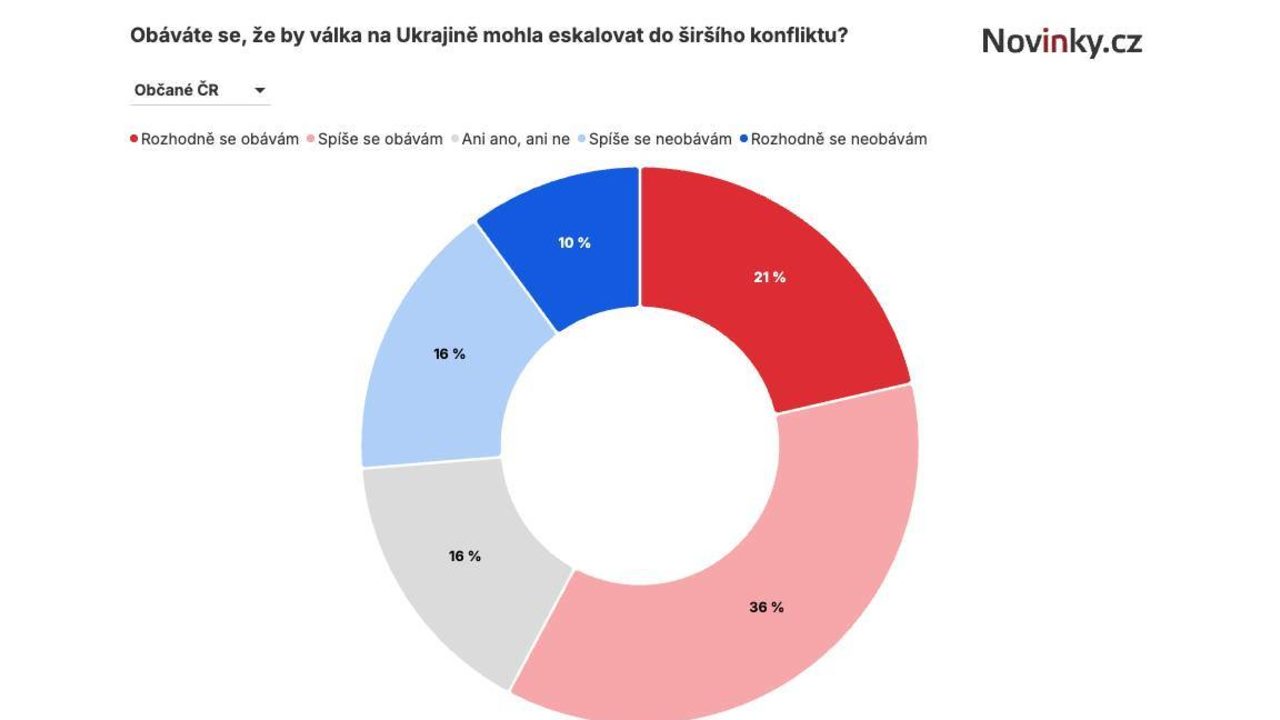
Most Czechs fear an escalation of the war in Ukraine, but among SPD voters, those who see no such threat are in the majority. This is according to an exclusive poll cited by the news outlet Novinky.
Fear of escalation runs highest among supporters of the opposition parties — the Pirates, the Spolu coalition and the STAN movement — with nearly seven in ten voters from each of these parties expressing such concerns. Among Motorists and ANO supporters, the figure is roughly half. SPD voters, however, turned out to be the only group where those who are not worried about escalation form the majority — 49%, compared with just 35% who say they feel anxious.
Different perceptions of the threat
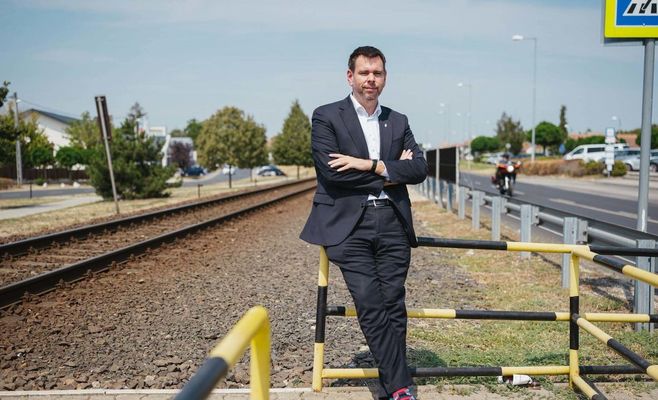
According to political scientist Otto Eibl of Masaryk University, different voter groups have built up their own notions of where the danger comes from. "For a long time, SPD has portrayed Russia as a less immediate threat. Instead, the party emphasizes the risk that helping Ukraine could drag the Czech Republic into the war. That's why its voters may see rising defense spending, new arms deliveries, or greater NATO involvement not as steps that strengthen security, but as things that bring conflict closer," the expert explained.
He noted that SPD has long used narratives compatible with Russian propaganda, and the party's current stance toward Ukraine is significantly more restrained than that of the previous government. "It's no surprise that its voters perceive the Russian threat itself differently," Eibl added.
Among supporters of Spolu, STAN and the Pirates, the picture is almost a mirror image: they link Czech security to EU and NATO membership, cooperation with Western allies, and support for Ukraine. "The Babiš government has shaken this course by cutting planned defense spending, limiting part of the aid to Ukraine, and engaging in a sharp dispute with the president over the country's representation at the NATO summit," the political scientist noted. In his view, for voters who see the Czech Republic's firm ties to the West as one of the main guarantees of security, this in itself becomes a source of anxiety.
ANO voters: the threat is real, but the money is enough
Differing perceptions of the threat are accompanied by differing assessments of whether defense spending is adequate. Three-quarters of SPD voters — among whom only about a third fear escalation — consider current defense spending sufficient. Among Spolu supporters, seven in ten of whom feel anxious, only 10% share that view.
"It's interesting that even groups who consider the state's defense spending adequate, such as ANO voters, are still worried about the conflict spreading beyond Ukraine," Tereza Fridrichová, a political analyst at NMS, told Novinky. She suggested these voters likely hope that if escalation does occur, both the Czech Republic and its NATO allies will be spared.
Eibl considers the position of ANO voters to be distinct: the movement traditionally prioritizes domestic needs — healthcare, pensions, public services — over international commitments to allies. "Their stance doesn't necessarily mean they don't see Russia as a threat — rather, they believe the Czech Republic is already spending enough on defense, and that extra money is needed at home. So they can simultaneously fear an escalation of the war and oppose further increases in defense spending," the expert concluded.
For comparison, according to an NMS poll conducted for the organization Paměť národa, two-thirds of Czechs feared escalation back in 2024. Meanwhile, the share of people who categorically feel no fear has, according to the same research, doubled since then — from 5% to 10%.
Source: novinky.cz