Prague Anglers Tally 11 Million Crowns in Damage from Predators and River Pollution
USD 21,01
Popular
Fishing associations in Prague and the Central Bohemian Region have calculated the damage caused by birds of prey, animals and water pollution in 2025 — using the official methodology of the Nature and Landscape Protection Agency, the total came to CZK 11.313 million. The figures were released by the industry body that monitors the state of the region's rivers.
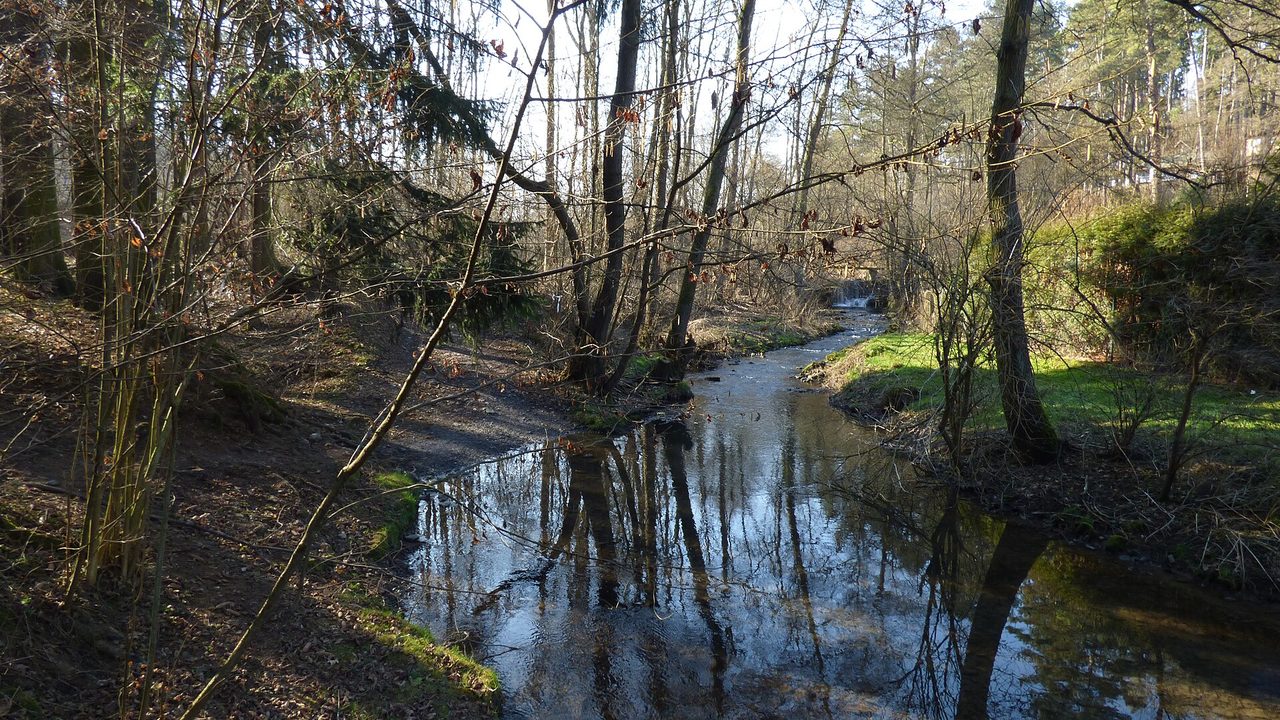
Most complaints concern small, mostly trout-type waters — particularly Radotín Stream, where visible pollution is a recurring issue. The main culprits are runoff from private properties, agricultural operations (both livestock and crop farming), and illegal water discharge, including people washing their cars directly in the stream.
Chemical leaks plague larger rivers
On bigger rivers — the Vltava, Sázava, Berounka and Elbe — chemical leaks are regularly recorded, mostly originating from energy facilities. The species hit hardest are those valuable fish that are most sensitive to water quality: despite costly and intensive artificial restocking, stable populations simply fail to take hold. The problem is compounded by current legislation, under which fish in a body of water are legally classified as "ownerless things," making it difficult to claim compensation for fish deaths.
Cormorants, beavers and otters
Fishing ground operators track predators harming fish stocks based on reports from their members. Damage is calculated strictly according to the official method — based on how much food a predator needs to avoid starving, without accounting for injuries, stress or other factors. In 2025, despite state payments for culling, a slight rise in the great cormorant population was again recorded — a species not originally native to the region but now fully adapted to local conditions.
Besides cormorants, other predators are occasionally spotted: mute swans, Eurasian coots, great white egrets, goosanders and mergansers, ruddy shelducks and Egyptian geese, kingfishers, various grebes and loons, black and white storks, greylag geese and other birds. Notably high numbers of beavers and coypus have been observed within Prague's city limits — mostly individuals migrating downstream. Meanwhile, specialists report a marked decline in mink numbers in recent years, likely due to competition with otters.
Climate change and drought hit smaller rivers hardest
Fishing associations note that climate change in recent years, especially over the past decade, has led to an overall drop in rainfall across the region. This has hit small bodies of water the hardest — in particularly dry, hot years they sometimes dry up completely, directly affecting fish, amphibians and other water-dependent species.
According to the department, nine of the last 12 months saw below-average rainfall. Experts stress that the greatest damage to fisheries comes not from poachers or those violating fishing regulations, but from natural anomalies — alongside illegal water use, unauthorized construction work, fish-eating predators and water pollution. Anglers also argue that the outdated damage-calculation methodology fails to account for inflation, VAT, or the real losses caused by stress and injury to fish.
Read also: 8 best swimming spots near Prague: lakes, quarries and beaches within an hour's drive
Source: ekolist.cz