Prague City Hall searched for a signal jammer in the office of an official suspected of corruption
USD 21,01
Popular
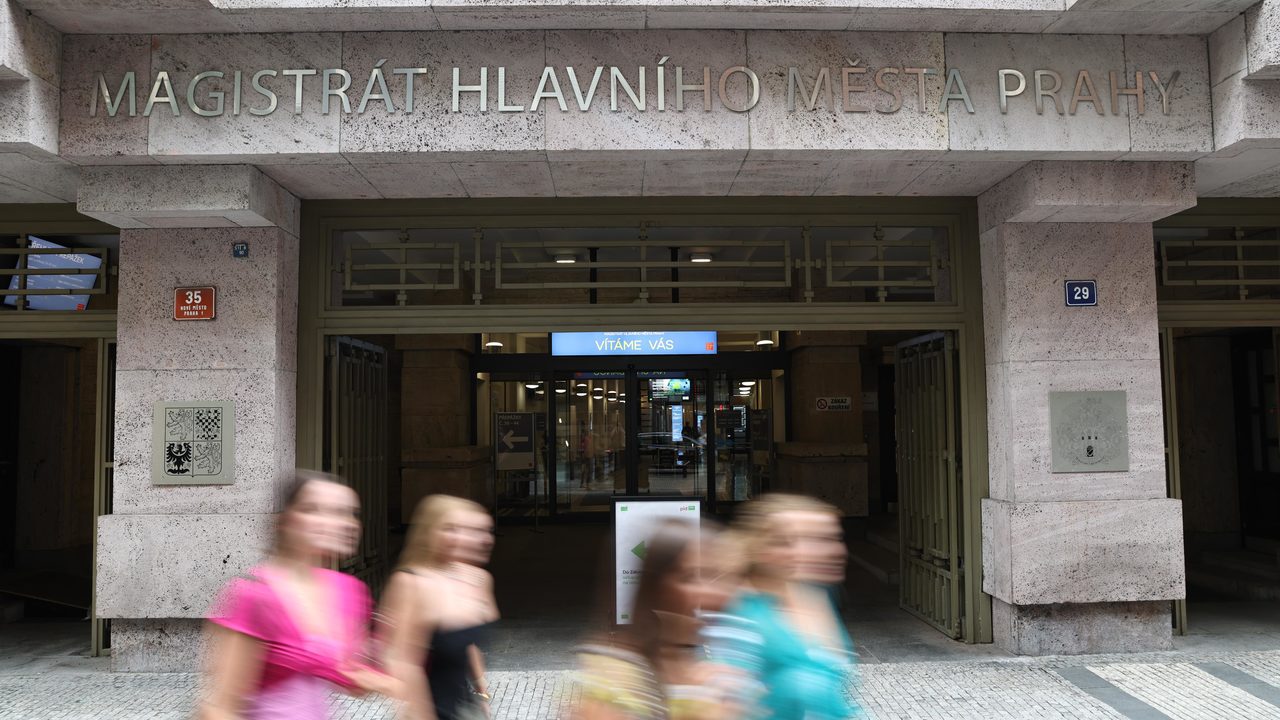
In July, during a search at Prague City Hall, police found a device blocking audio recording — a kind of signal jammer — in the office of one of the suspected officials. Czech media report this citing their sources. The discovery became part of a major case involving abuse of office, bribery and money laundering, in which charges have been brought against six people and two companies.
Among those implicated are two City Hall employees: Aleš Krejča, head of the road management department, and his deputy Jan Krejčí. It was in the deputy's office that detectives seized the recording-jamming device on 21 July. Attempts to reach him were unsuccessful — the phone he used has been disconnected.
A scheme involving a family firm
According to investigators, Krejča secretly took part in preparing project documentation for the company Dopravní inženýring Praha, owned by his brother and his partner. Firms applying, for example, for permits to close roads for construction work, submitted this documentation for approval directly to Krejča's department.
According to investigators, over the past ten years the design firm — effectively controlled by the official — earned revenue of around 250 million crowns. In other words, the official allegedly profited from approvals that he himself signed off on. Investigators believe his deputy was also involved in the scheme.
City Hall spokesman Vít Hofman declined to comment on the discovery of the device, citing a police request for confidentiality. He only noted that City Hall staff are only allowed to use equipment in their offices that has been purchased by the institution itself and recorded under inventory numbers.
An anonymous tip two years before the searches
It has emerged that City Hall management knew about Krejča's possible conflict of interest long before police became involved. In March 2024, then-Deputy Mayor of Prague Zdeněk Hřib received an anonymous letter alleging that Krejča, through his wife, secretly held a stake in Dopravní inženýring Praha, with his brother Jiří as co-owner. The letter's author also pointed out that the official's wife used her maiden name, making the connection difficult to trace.
The letter stated that the company operated covertly, had no website, did not publish mandatory financial reports, and was linked to construction companies that needed favorable decisions specifically from Krejča's department. It also mentioned that the official lived in a family villa formally registered to his partner.
The police investigation later reached similar conclusions: over ten years, roughly a quarter of a billion crowns had passed through the family firm. After charges were filed, police seized several properties belonging to Krejča and other suspects, including the villa in question.
An internal check that found nothing
Hřib confirmed receiving the tip in 2024 and said he passed it on to then-City Hall director Martin Kubelka and the relevant legal department, since he himself had no authority to intervene in administrative matters. Kubelka, who left his post last year following the VIP parking permit scandal, also confirmed that he had forwarded the complaint through official channels.
Following an internal review, City Hall deemed the allegations unfounded: it noted that Krejča was not officially listed anywhere as a co-owner of the firm, and that the company's lack of a website could not be held against it. The review also found no evidence that the official could influence decisions through his position, and dismissed the claims about the villa, citing that Krejča was officially registered as living in a service apartment. However, according to Czech Radio, after the July searches it was confirmed that the official actually lives with his partner in that very villa, while the service apartment, with a monthly rent of 6,327 crowns, is used by his father.
During the review, Krejča himself acknowledged that Jiří Krejča, the firm's co-owner, is his brother, but claimed he had handed over related matters to a subordinate to avoid a conflict of interest. That subordinate turned out to be the second defendant, Jan Krejčí — the same official later found with the recording-jamming device. The review found no conflict of interest or unethical conduct on Krejča's part.
Former Deputy Mayor Hřib now explains that he accepted the internal review's conclusions partly because the author of the anonymous tip never challenged them, even though he had initially mentioned an upcoming media publication.
An organized group working for a salary
According to Aleš Cimbala, spokesman for the Prague Municipal Public Prosecutor's Office, Krejča, Krejčí and four other individuals, along with two companies, are being prosecuted as an organized criminal group with a clear structure and division of roles.
Both officials formally remain City Hall employees. After charges were filed, management suspended them from their duties — they are staying at home but continue to receive their salaries. In such cases, institutions typically either seek the voluntary resignation of the accused employees, dismiss them given the severity of the charges, or transfer them to less responsible positions.
Read also: Rental scams in Prague: how to spot a fraud
Source: seznamzpravy.cz