USD 21,08
Popular
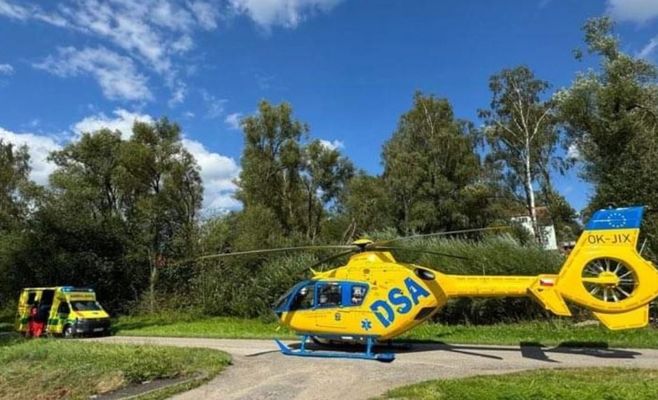
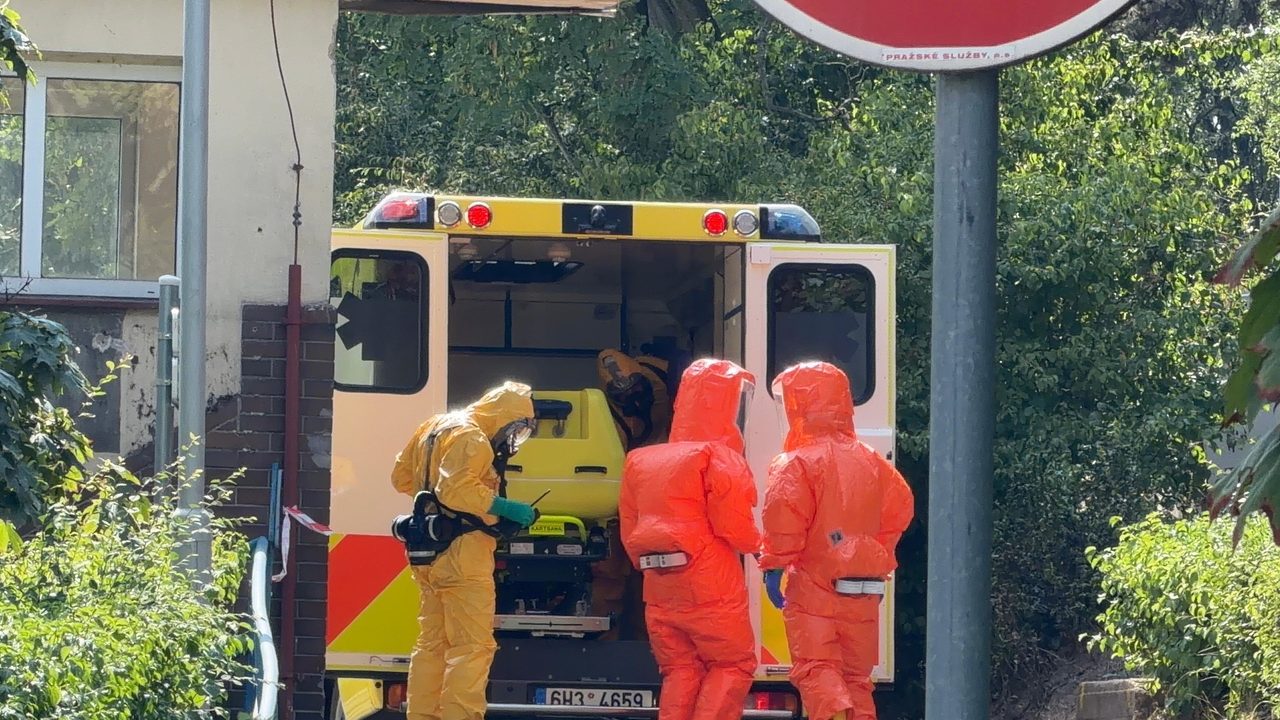
A woman suspected of carrying a highly dangerous infectious disease has been transferred from a hospital in Hradec Králové to a specialized unit at Prague's Bulovka Hospital. The transport took place in a bio-isolation container, carried out by a specialized biohazard rescue team from Hradec Králové working alongside firefighters.
According to Health Ministry spokeswoman Nadia Hattová, the likelihood of the infection being confirmed is considered very low, and there is no risk to the public. The situation has not disrupted operations at the Hradec Králové hospital in any way.
Hygienists classify highly dangerous infections as primarily exotic diseases — such as dengue fever, various hemorrhagic fevers, and Ebola. What these illnesses have in common is a high mortality rate, coupled with the difficulty of reaching an accurate diagnosis: many share similar symptoms, and lab analysis of samples can take up to several days.
The heightened alert follows an Ebola outbreak in border regions of Uganda and the Democratic Republic of Congo, which prompted the Foreign Ministry to already warn citizens planning trips to the region.
This isn't the first such case in Czechia: in May, an American doctor was admitted to a Prague hospital as part of international cooperation after a possible Ebola exposure following work in Africa. A year earlier, the same specialized center monitored another American who had recently visited Africa — at the time, hygienists placed 26 people who had been in contact with the patient under quarantine as a precaution, though the infection was never confirmed.
The Ebola virus is transmitted exclusively through bodily fluids, not through airborne droplets. Infection most commonly occurs through contact with infected animals, such as bats or fruit bats.
Source: novinky.cz