Prague hospital wages war on stray cats near maternity ward: doctors cite health risks, animal advocates cite cruelty
USD 21,04
Popular
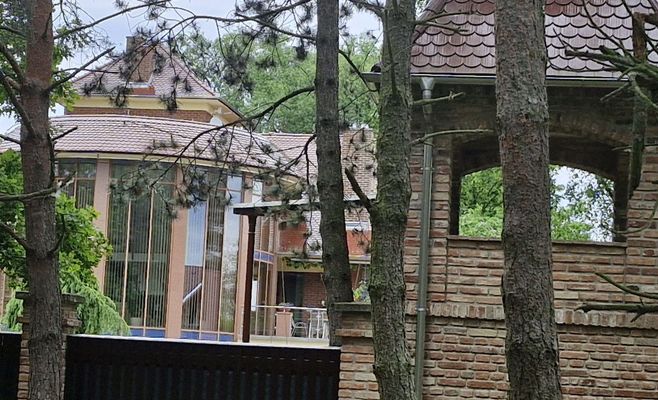
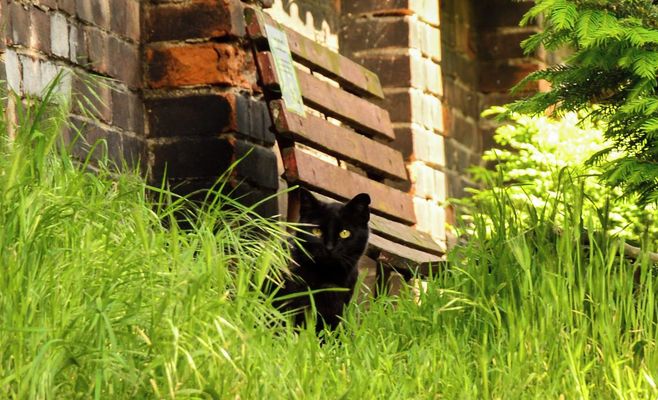
A colony of stray cats has lived for years at the Apolinář maternity hospital, part of Prague's Všeobecná fakultní nemocnice (VFN) — by some estimates, 40 to 50 animals. Housed in a historic brick building designed by architect Josef Hlávka, the hospital has now banned feeding the cats on its grounds. Over the past month, the shelters and feeding stations that volunteers had previously installed have also disappeared.
According to hospital spokesperson Marie Heřmánková, there's no way to guarantee veterinary checks, vaccinations, or parasite control for stray animals, meaning their presence poses a hard-to-manage sanitary and biological risk — especially near newborns and other vulnerable patients.
The hospital has ended its cooperation with Tlapro, an organization that spent four years feeding, providing veterinary care, and neutering the stray cats on the maternity ward grounds. According to Tlapro, it was first contacted in 2022 after unsuccessful attempts to resolve the issue through the Prague 2 district office. Longtime residents say the cats had lived in the area for decades, with no systematic neutering program in place before volunteers stepped in.
Using the "trap-neuter-return" method recommended by the Ministry of Agriculture, activists had neutered 41 cats — 90% of the population at the time — by autumn 2023. The colony now numbers 54 animals. The organization spent 265,000 crowns in public donations on caring for and neutering the cats.
The hospital first introduced a feeding ban back in September 2024, which drew protests from both animal advocates and part of the staff. According to the organization, the decisive turning point came this year with the arrival of new hospital management under director Jan Dudra, which refused to continue the cooperation and demanded the removal of all cat-related infrastructure. In June, Tlapro representatives removed the shelters and feeding stations.
The organization launched a petition titled "For a Sustainable and Humane Solution for the Cats of Apolinář," which has already gathered nearly four thousand signatures. Activists are demanding a return to the previous arrangement and call the feeding ban unethical in a place "where new life is born every day," arguing it condemns the animals to hunger and illness. In their view, the ban won't drive the cats away — it will only increase their suffering and sickness, since semi-enclosed areas like this one are exactly where the animals find vegetation and shelter from city traffic, dogs, and other dangers.
The hospital, however, insists there will be no return to the old arrangement and suggests looking for a solution outside the hospital grounds. Both sides now intend to resolve the conflict together with the mayor's office and the Prague 2 district office, which has confirmed it has already begun reviewing the situation and is consulting with veterinary specialists. According to district spokesperson Andrea Zoulová, both parties are now waiting for the mayor's office to convene a coordination meeting to discuss next steps.
Petr Majer, spokesperson for the State Veterinary Administration, noted that resolving the stray cat issue is the municipality's responsibility — it must reduce the risks associated with population growth and the spread of infections, and coordinate its response with the hospital. He also pointed out that cats can transmit toxoplasmosis, bartonellosis, toxocariasis, and other, mostly parasitic diseases to humans, which typically require direct or close contact with the animal or its excretions to spread.