Radium Cosmetics: How the Curie Lab's "Miracle Element" Turned Into a Source of Deadly Disease
USD 21,01
Popular
In the early 20th century, cosmetics companies across Europe and the United States began adding radioactive radium to creams, powders, soaps and even toothpaste, promising customers rejuvenated skin and a boost of vitality. What they actually delivered were radiation burns, bone necrosis and cancer.
Radium was discovered in 1898 by physicists Marie and Pierre Curie while processing uraninite ore. Isolating the pure element was extraordinarily difficult — only a minuscule amount could be extracted from several tonnes of ore — and this scarcity quickly gave radium a reputation as something exceptional, almost magical.
Scientists later found that radium spontaneously emits energy capable of affecting materials and living tissue. In the early 1900s, this property began to be studied in medicine, first in dermatology and later in oncology, where radiation was used to destroy tumour cells.
From around the 1910s onward, advertisements started claiming that radium had beneficial effects on appearance, based on the idea that small doses of radiation could stimulate skin cells. At the time, there was no solid long-term evidence supporting such claims in healthy people — it was a marketing hypothesis, not a proven fact.
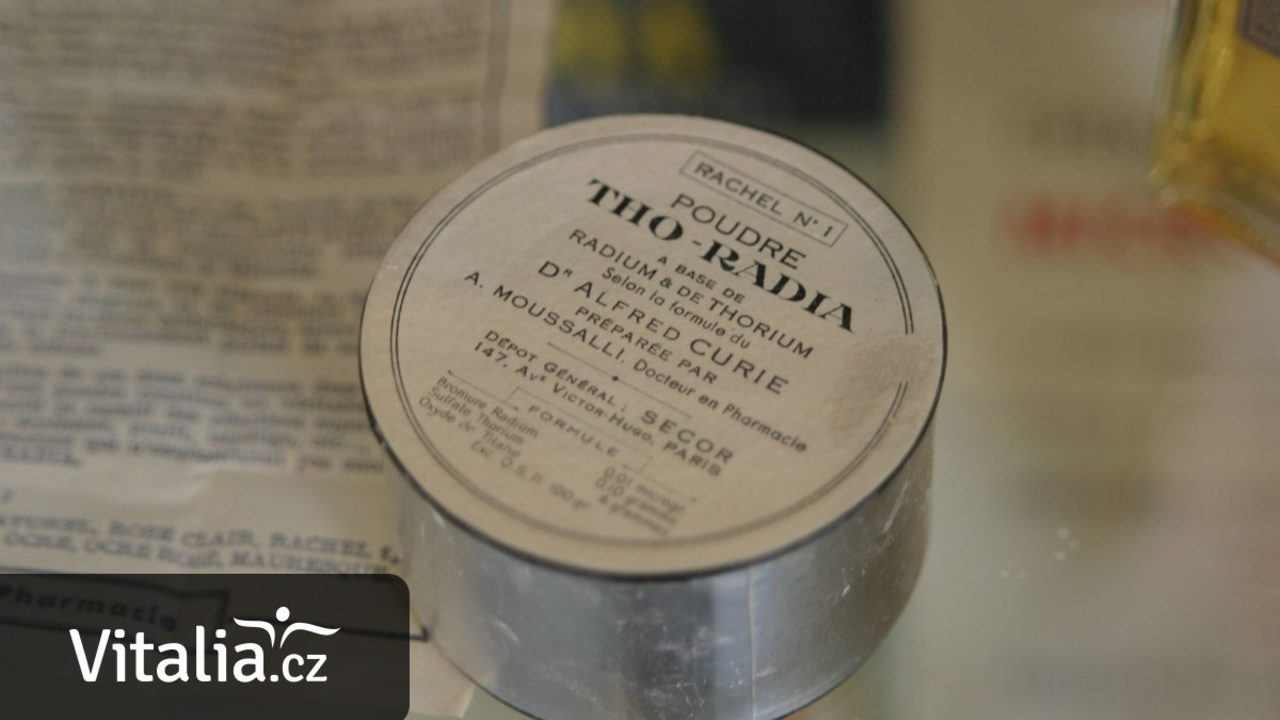
One of the best-known examples was the French brand Tho-Radia, launched in the 1930s. Its name combined "thorium" and "radium" to lend the products a scientific aura. Advertisements emphasised the use of "the latest laboratory methods" and promised visibly improved skin. The cosmetics were sold in elegant jars and marketed as a scientifically grounded product for discerning clientele. However, historical records show no connection whatsoever between Marie Curie and these products — she herself opposed the commercial exploitation of science.
Radium was far from limited to cosmetics. The market of the era also offered radium-infused mineral water, toothpaste, tonics for fatigue, and "health" drops. In the United States, a product called Radithor — a solution of radium in water — became especially popular, marketed as a remedy for exhaustion, pain and general fatigue.
The turning point came with a series of tragic, well-documented cases. One of the most infamous is the story of the "Radium Girls," factory workers who painted luminous radium-based paint onto watch and clock dials. To keep their brushes fine-tipped, the women often shaped the bristles with their lips, repeatedly ingesting radioactive material in the process. Many of them later developed severe complications, including jaw necrosis, anaemia and malignant bone tumours.
Another notorious case involved American industrialist Eben Byers, who began drinking Radithor regularly after an injury and consumed more than a thousand bottles of the product over several years. Radium accumulated in his bones, gradually destroying them. Byers died in 1932, and his case received extensive press coverage.
Throughout the 1930s and 1940s, authorities in Europe and the United States began tightening regulation of radioactive substances as scientific evidence of their long-term harm accumulated and health-related cases multiplied. After the Second World War, radioactivity became firmly associated with nuclear weapons and their devastating effects, which finally put an end to the idea of radium as a cosmetic ingredient. Today, its use in cosmetics is completely banned under European law.
Read also: Thermal Resorts and Spas of Czechia: 11 Places for Relaxation and Health
Source: vitalia.cz