USD 20,99
Popular
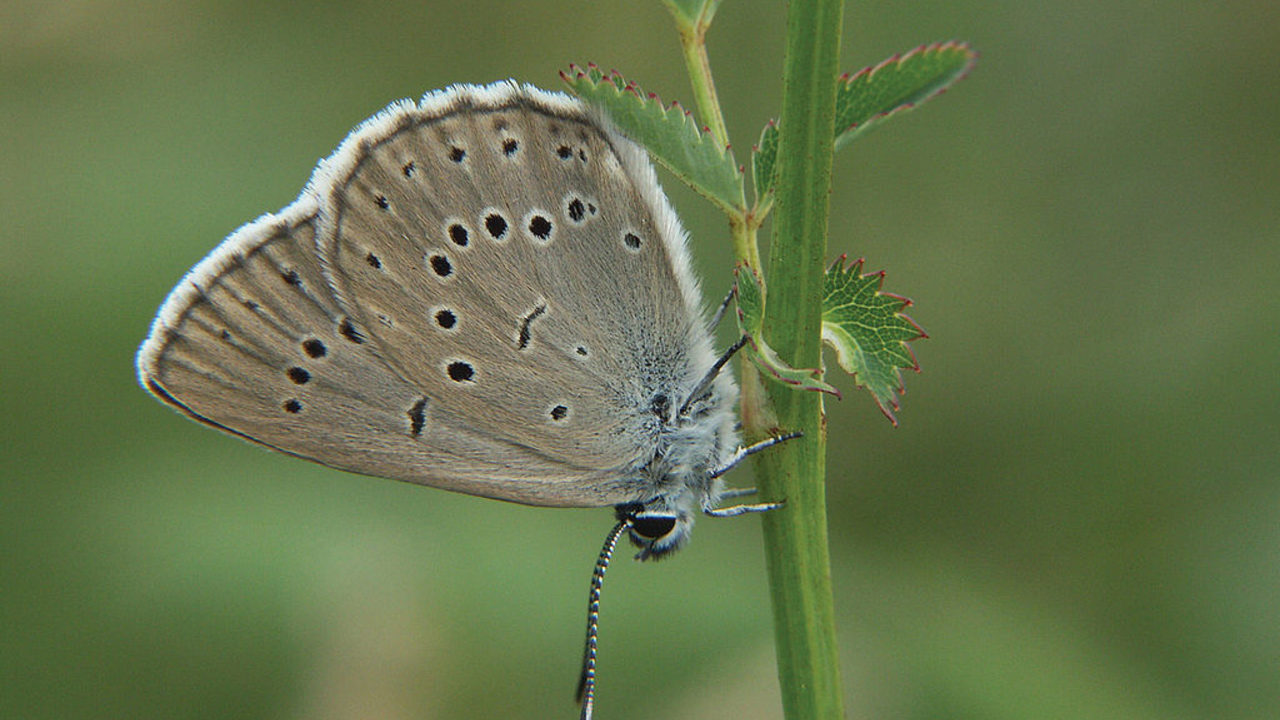
Nature conservationists have discovered a rare butterfly species — the Scarce Large Blue (Czech: modrásek očkovaný) — within the protected Moravian Karst area, according to the administration of the Moravian Karst Protected Landscape Area (CHKO Moravský kras).
According to the reserve's administration, this butterfly has an unusually complex life cycle: the caterpillars need more than just a single food plant — they also depend on specific species of ants. At a later stage of development, the ants take care of the caterpillars, carrying them into their nests after mistaking them for their own larvae.
Because of this unusual reproductive strategy, the butterfly's habitat requires careful management. In particular, meadows where the species is found must not be mown between mid-June and the end of August, as doing so poses a serious threat to the insect's population, the reserve's administration notes.
Despite their name, blue butterflies aren't always blue — some species appear orange or brown. In the case of the Scarce Large Blue, the upper side of the wings is brown with a bluish sheen, while the underside is light brown.
This species was once widespread across Czechia, but today it is under strict state protection. The main reason for its decline is a shift in land management practices, which led to the destruction of the wet meadows the butterfly depends on — either drained through land reclamation or planted over with forest.
Source: ekolist.cz