Record Heat Grips the Korean Peninsula: North Recommends Dog Soup, South Moves to Ban It
USD 21,02
Popular
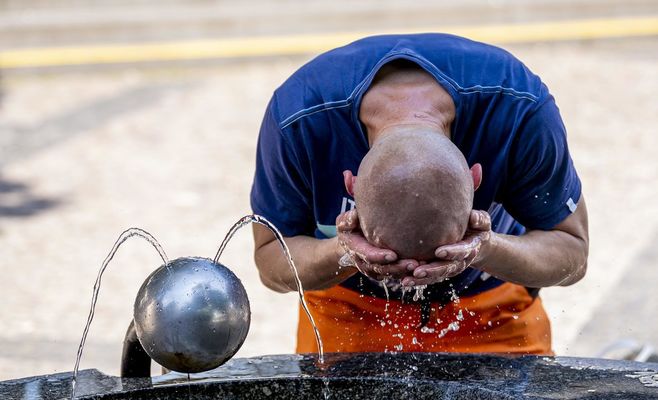
An unprecedented heatwave has engulfed the entire Korean Peninsula: South Korea has recorded an all-time high of 42.5 degrees Celsius, while several regions of North Korea are nearing 40 degrees, with Pyongyang already enduring a string of consecutive tropical nights.
South Korean President Lee Jae-myung said on Tuesday that the number of heat-related deaths in the country has risen to 16. Authorities are urging citizens to follow the "water–shade–rest" formula, along with the "stop–move–check" rule: halt outdoor activity, seek out a cool place, and check on relatives, especially the elderly. People are also advised to avoid alcohol and caffeine, wear light clothing and a hat, and, if possible, refrain from working outdoors between 2 and 5 p.m.
North Korea takes a rather different approach to beating the heat. The ruling party's newspaper Rodong Sinmun published a list of "superfoods" said to help people survive the scorching temperatures — watermelon, cucumbers, mung beans, and fish or bean porridge. But pride of place on the list went to dog meat soup, known as dangogi-guk. North Korean authorities have promoted the dish for decades as a traditional tonic — restaurants along the banks of the Taedong River are dedicated to it, and regional recipes have even been included in the country's list of intangible cultural heritage.
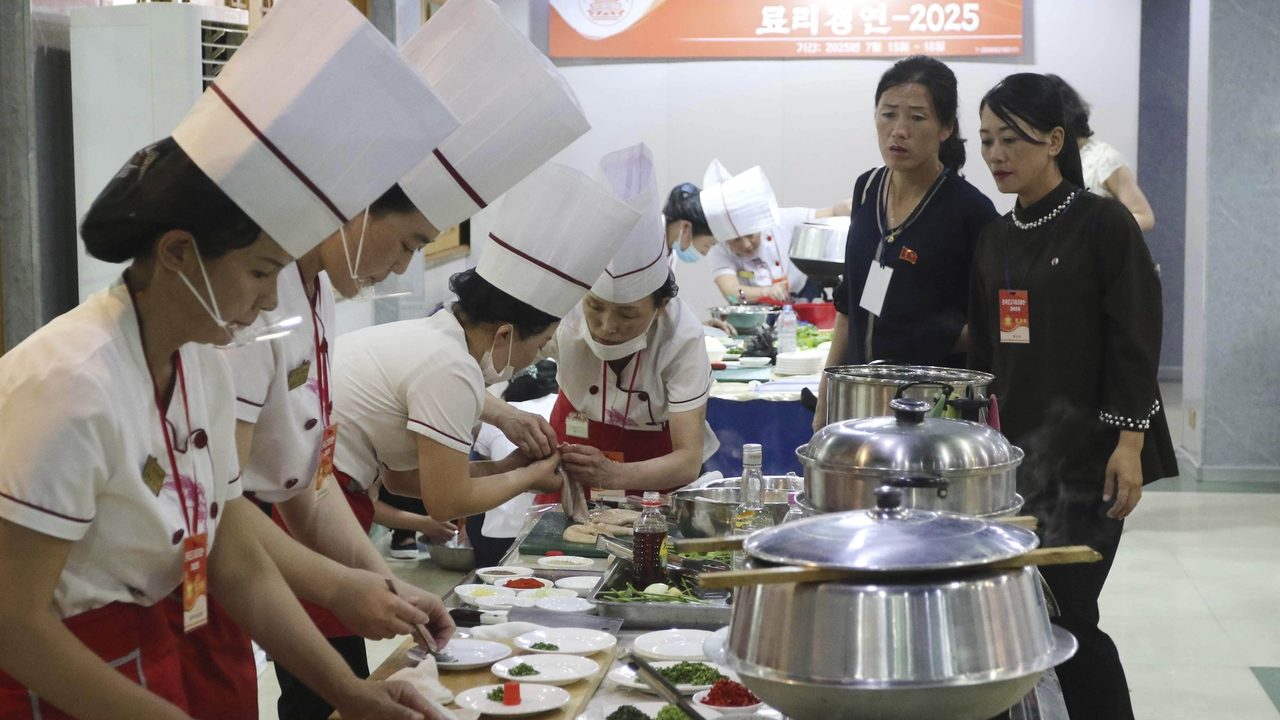
According to a former North Korean diplomat, Ri Chol, the dish is expensive and out of reach for most ordinary citizens. Yet, according to the World Food Programme, around 10.7 million people in North Korea suffer from malnutrition, and the country's agriculture chronically fails to meet the population's needs. Nevertheless, the authorities hold annual cooking contests dedicated to dog meat, presenting its consumption as a patriotic way to endure the summer heat — the most recent such contest took place less than two weeks before the current heatwave began.
According to the outlet Daily NK, citing sources in South Pyongan Province, there is a growing belief in the country that meat from dark-colored animals — black goats, pigs and dogs — has higher nutritional value. This demand has also spawned fraud: unscrupulous traders dye ordinary animals black using hair dye and sell them at inflated prices. In one case, a restaurant owner in the city of Anju bought three "black" goats below market price, only to later discover that the animals' fur was growing back white.
Weak infrastructure is compounding the problem: demand for air conditioners surged in North Korea this spring, but power supply remains unstable, prompting wealthier families to increasingly buy their own generators. On top of that, the country entered summer after an unusually dry spring, and recurring floods and heatwaves continue to damage crops.
While the North glorifies the tradition of eating dog meat, the South is determined to eliminate it entirely. Debate on the issue intensified even before the 1988 Seoul Olympics. Starting this coming February, South Korea will enforce a ban on breeding, slaughtering, selling and distributing dogs for consumption. Violators face up to three years in prison or a fine of up to 30 million won (more than 440,000 crowns). By May of this year, 82% of South Korean farms that once bred dogs for meat had already ceased operations.
Read also: Fuze at Masaryčka: Prague's new brewery restaurant opens under Zaha Hadid's roof
Source: seznamzpravy.cz