USD 21,08
Popular
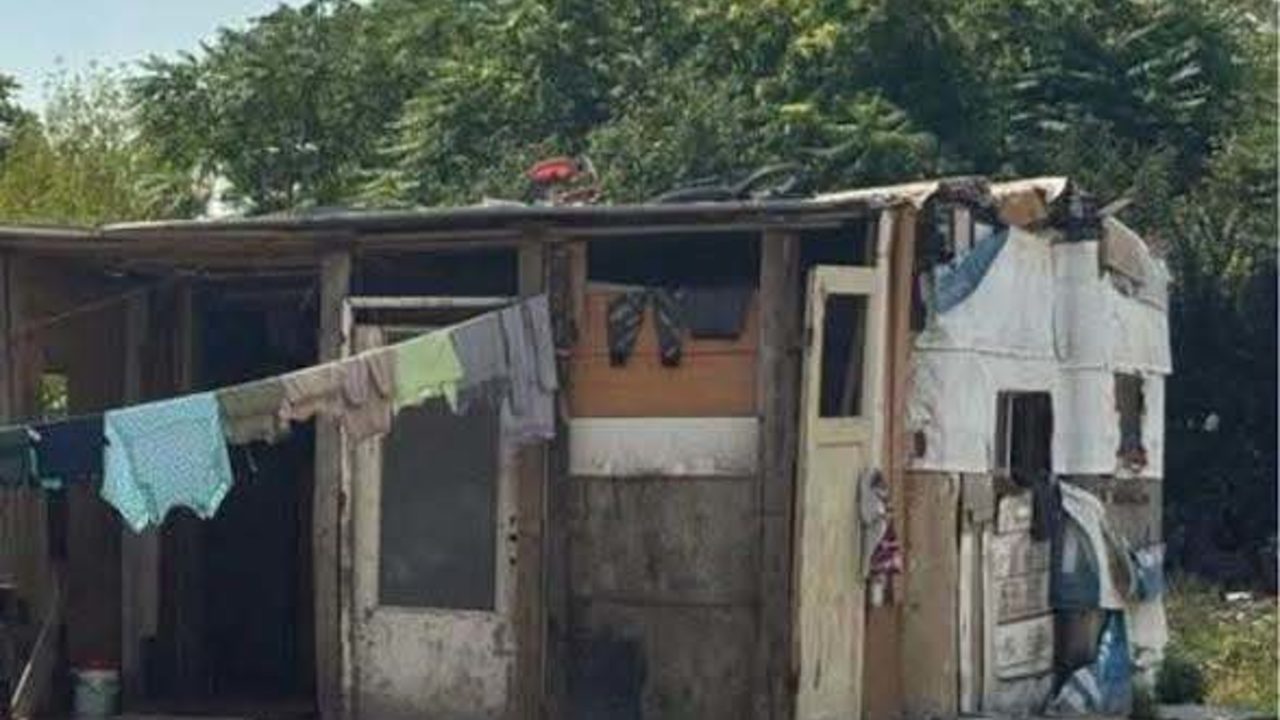
The resettlement of several Roma families from the Slovak city of Košice to the Hungarian village of Szalonna has ignited a heated political controversy in Hungary. According to local media, the families in question come from the Nad jazerom slum district on the outskirts of Košice's industrial zone, where around 200 people live in makeshift shacks built illegally on private land.
Zoltán Pakusa, deputy chairman of Hungary's "Our Homeland" movement, has demanded a decree banning the resettlement of Roma from Slovakia. According to him, people are being moved from a "no-go zone" in Košice to the village of Szalonna despite not speaking Hungarian at all, while local residents are unwilling to live alongside the newcomers.
In Szalonna, home to roughly 900 people, the Roma minority makes up about half the population. There is virtually no employment in the village apart from public works programmes. Those who relocated insist the move was voluntary. "Nobody dragged us here by force," said Roland Horváth, who lived in the Košice slum for 21 years before moving to Hungary with his wife and three children.
Local residents cannot forgive Szalonna's mayor, Zsolt Balogh, for agreeing to the resettlement of families from Košice. "Hungary has enough problems of its own — we don't need Roma being resettled here from another country," one villager told the RTL television channel. Residents of neighbouring border settlements have also voiced concerns about a further influx of Roma from Slovakia.
It remains unclear exactly how the Košice families managed to buy a house in Szalonna. In response to the situation, the village council has decided that the municipality will now have a right of first refusal on any property sale. In addition, a one-off payment of 500,000 forints (over 33,000 crowns) has been approved for anyone moving to the village — though the new rules will only take effect at the end of August, meaning they will not apply to the two families who have already relocated.
Hungary's Interior Ministry intends to investigate who organised and financed the move. "We want to establish whether there was coercion, deception, abuse of people's vulnerable position, financial fraud or other violations of the law," the ministry said in a statement. It stressed that the issue is not about ethnicity but about verifying whether the property transaction, its financing and the relocation itself were legal, transparent and voluntary.
Lenka Kovačevičová, mayor of Košice's Nad Jazerom district and an independent candidate for city mayor in this autumn's elections, insists the Roma families left for Hungary of their own free will. "If anyone claims today that these people are being forced out of the country, that simply isn't true," she said, noting that the relocation process had been prepared over a long period in cooperation with non-governmental organisations. Meanwhile, the owners of the land on which the shacks stand are preparing lawsuits.
Source: novinky.cz