Russia Has Burned Through Two-Thirds of Its Annual Zircon Missile Stock Since Early July — Ukrainian Intelligence
USD 21,00
Popular
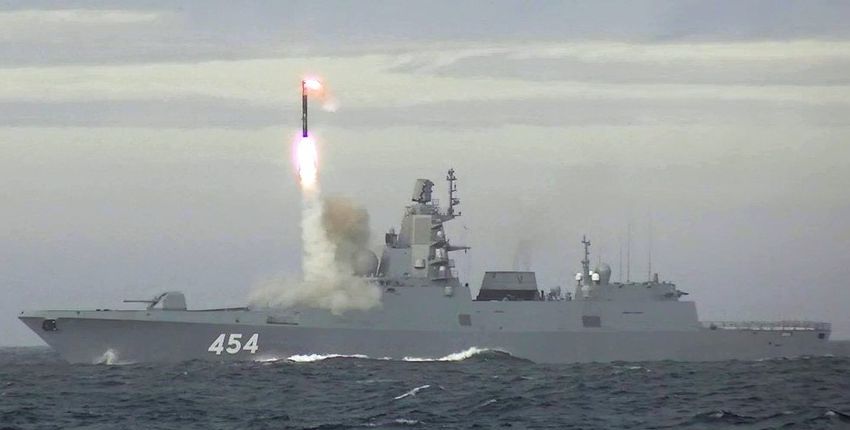
Since the start of July, including the massive strike on Ukraine over the past weekend, Russian forces have fired 107 ballistic missiles and 20 hypersonic 3M22 Zircon missiles. According to the Ukrainian outlet Militarnyi, citing its own analysis, in just 19 days of July Russia used up two-thirds of its planned annual Zircon production, while the number of ballistic missiles launched has already exceeded the country's monthly production capacity.
According to estimates from Ukraine's Ministry of Defence, Russia produces roughly 60 9M723 ballistic missiles a month for the Iskander-M system, plus 40 RM-48U missiles for the S-400 air defence complex. Over the whole of 2025, only around 30 Zircon missiles are expected to be produced in total.
Taken together, Russia's monthly missile output is estimated at around 100 units. "In less than a month, in July alone, Russia has already fired more ballistic missiles than it is able to manufacture in a single month," Militarnyi notes.
Commenting on Sunday's strike, Ukrainian President Volodymyr Zelensky said the main target of the attack was Kyiv and the districts surrounding the capital.
"This strike was prepared over several days, with missile stockpiles being built up in advance. It's essential that our partners understand what's happening and that air defence systems are needed to protect lives, literally every single day," Zelensky stressed, adding that all coordination processes with European partners and the United States need to be sped up.
The 3M22 Zircon missile can reach speeds of up to Mach 9 — over 11,000 km/h — with a range of up to 1,000 kilometres. Thanks to its high speed and manoeuvrability, it is considered extremely difficult for existing air defence systems to intercept. The warhead weighs around 90 kilograms, but its destructive power is multiplied many times over by the sheer speed of impact.
This intensive drawdown of stockpiled missiles may indicate an attempt by Russia to exhaust Ukraine's limited missile defence resources and inflict maximum damage during massed attacks. At the same time, this pace of expenditure is gradually depleting Russian missile reserves, which the defence industry has been unable to fully replenish. Nevertheless, as of December 2025, Russian forces are believed to still hold a stockpile of around 200 Iskander-M ballistic missiles.
Source: novinky.cz