Russian court bars opposition anti-war party Yabloko from elections
USD 21,00
Popular
A Russian court has fully upheld a lawsuit filed by the pro-Kremlin nationalist party Rodina seeking to exclude the opposition liberal party Yabloko from the upcoming parliamentary elections. The state news agency TASS reported the ruling, noting that Yabloko has five days to appeal the decision. "We will be filing an appeal," said the party's lawyer, Gadzhi Aliev.
Rodina had leveled a series of accusations against Yabloko, including claims that the opposition party received undeclared campaign support from Western sources.
Accusations of extremism
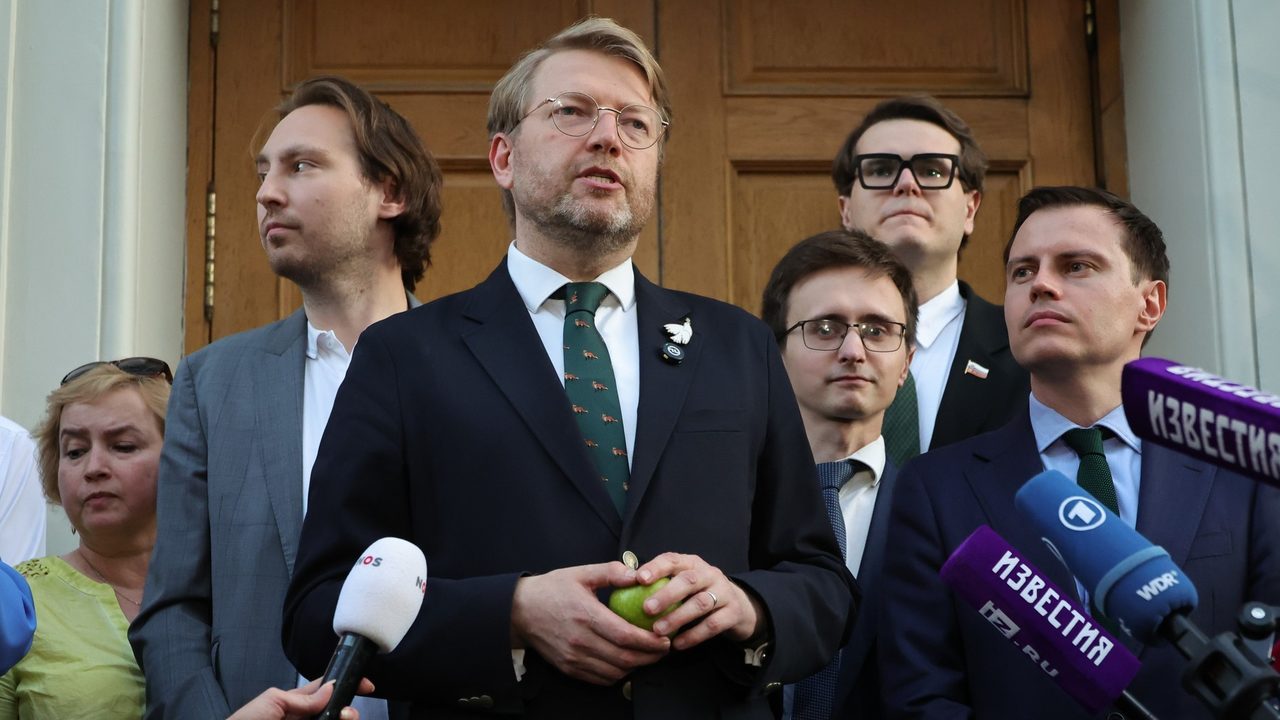
According to the independent outlet Meduza, Rodina portrayed Yabloko's anti-war stance as calls for extremism and violation of Russia's territorial integrity. Yabloko leader Nikolai Rybakov told Reuters at the hearing that no evidence had been presented to support the accusations, calling the case an unconstitutional attack on freedom of thought by political opponents. "Citizens hold different views, and different parties should represent them," he argued.
As Reuters notes, more than four years into Russia's invasion of Ukraine, today's court ruling starkly illustrates the authorities' intolerance of anti-war views and further narrows the already limited space for dissent in Russian politics. Russians currently have no legal avenue to protest either the war or the state of affairs in the country.
A call from Navalny's widow
Russia's first parliamentary elections since the invasion of Ukraine will be held from September 18 to 20. The lawsuit seeking to remove Yabloko from the ballot was filed the day after the widow of opposition politician Alexei Navalny urged voters on social media to cast their ballots in September for Yabloko — the only party openly opposing the war.
Yabloko once embodied the hopes of pro-Western liberals in the 1990s, but the party has not held a single seat in the State Duma since 2003. Party representatives describe the upcoming elections as "a referendum that will show the authorities that millions of Russians are against the war." However, as AFP has previously noted, the party has very little chance of winning parliamentary seats in a country where the authorities tightly control elections and the opposition is barred from genuine political participation.
Source: novinky.cz