Scrap Ninth Grade? Okamura and Babiš Say Yes, But the Education Minister and Experts Push Back Hard
USD 21,28
Popular
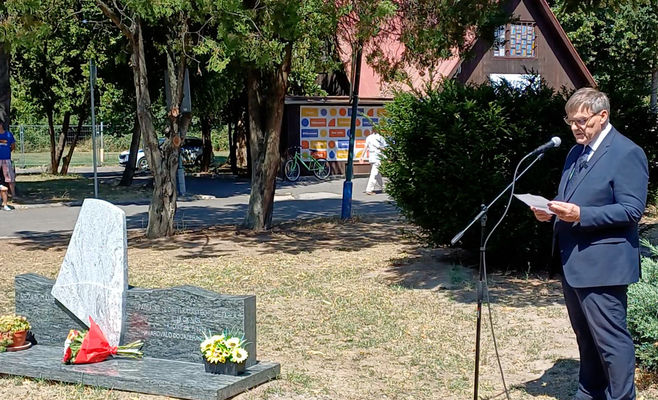
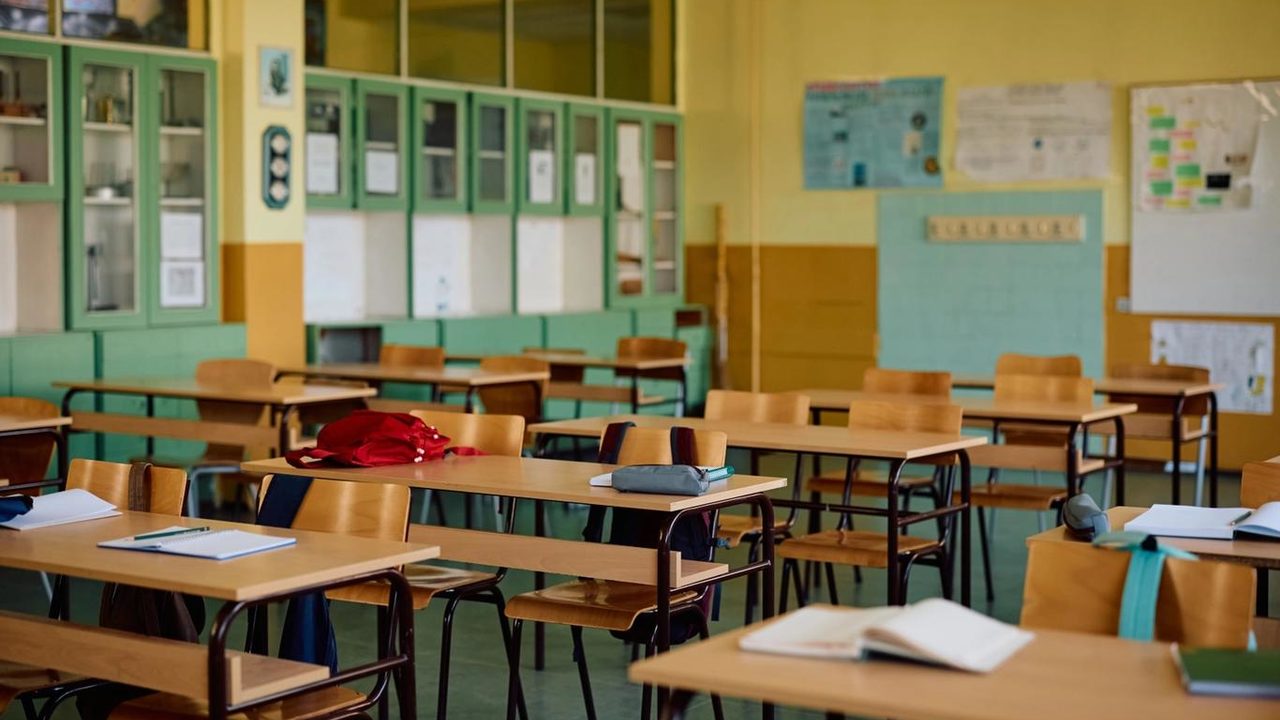
Chamber of Deputies Speaker Tomio Okamura has proposed abolishing the ninth grade of primary school, following the example of Germany, Poland and Hungary, arguing that the move would save the state budget roughly 50 billion crowns a year without compromising the quality of education. The idea won an unexpected endorsement from Prime Minister Andrej Babiš, but drew sharp opposition from Education Minister Robert Plaga and the majority of teachers and experts surveyed.
Plaga slammed his coalition colleague's statement on Facebook: "Absolutely not! I'm open to a discussion about making the system more flexible, shortening higher education, or reforming preschool care, but education cannot be viewed purely through the lens of potential savings — especially savings that are unrealistic and far off." The minister also reminded Okamura that he is the Speaker of Parliament, not a member of the government, and therefore has no authority to dictate education policy.
Notably, the German example Okamura cited turned out to be inaccurate: according to the website of the Standing Conference of the Ministers of Education and Cultural Affairs of the German states (KMK), compulsory schooling there often lasts even longer — ten years in Berlin, Brandenburg, Bremen and Thuringia.
Back in July, Prime Minister Babiš said in a Facebook video: "My opinion is that eight grades would be enough. The important thing is to time it correctly so that two graduating classes finish school at once." On Monday, following a government meeting, he added: "It's common sense — the state would save money, schools would save money, parents would save money. This is my personal opinion, not the position of the party or the coalition." According to him, the ANO movement hasn't even discussed the idea yet, and the party's former shadow education minister, Jana Berkovcová, previously spoke out against scrapping the ninth grade.
A separate proposal comes from ODS deputy Renata Zajíčková, which is sometimes confused with Okamura's plan. In reality, the two models are entirely different: Zajíčková is proposing an "8+2" scheme — eight years of primary school plus two compulsory years within the secondary education system, effectively extending compulsory schooling by a year. Okamura, by contrast, insists on an "8+0" model — a straightforward one-year cut. "The SPD's proposal is a blunt reduction that would dump tens of thousands of unqualified children into the system every year," Zajíčková said.
Education Ministry spokesman Ondřej Mácura said the minister is not rejecting a discussion about restructuring education as such, but disagrees with an approach based purely on cost-cutting and getting children into the labor market earlier.
A poll conducted in a professional teachers' Facebook group found that among more than 150 comments, the overwhelming majority of educators opposed the reform. They pointed out that children would have to choose a secondary school as early as age 14, finish vocational training at 17, and enter work placements while still minors — without the right to a driver's license and other privileges. Teachers also noted that an important part of the curriculum, such as history, is taught specifically in ninth grade and covers the whole of modern history.
Rostislav Konopa, the head of a Prague school, noted that older students play an important role in mentoring younger ones through "peer learning," and that some children already struggle when moving straight from eighth grade into secondary school — currently, he said, about 7% of children finish their education with only primary school.
Nikola Šrámková, an analyst at the EDUin organization, considers the proposal problematic: in her view, it fails to address the real reasons behind the lengthening of educational pathways and could deepen inequality, hitting children from families lacking adequate support especially hard. The real causes of prolonged schooling, she argues, are the high number of delayed school starts, grade repetitions, difficulties transferring between schools, and repeated attempts to get into in-demand fields of study. These issues should be addressed through reform of the vocational secondary education system and quality career guidance — not by mechanically cutting the school curriculum.
Read also: Exchanging a driver's license for a Czech one
Source: denik.cz