Scrapping TV and Radio Licence Fees From January in Doubt as Broadcasters Draw Up Crisis Budgets
USD 21,05
Popular
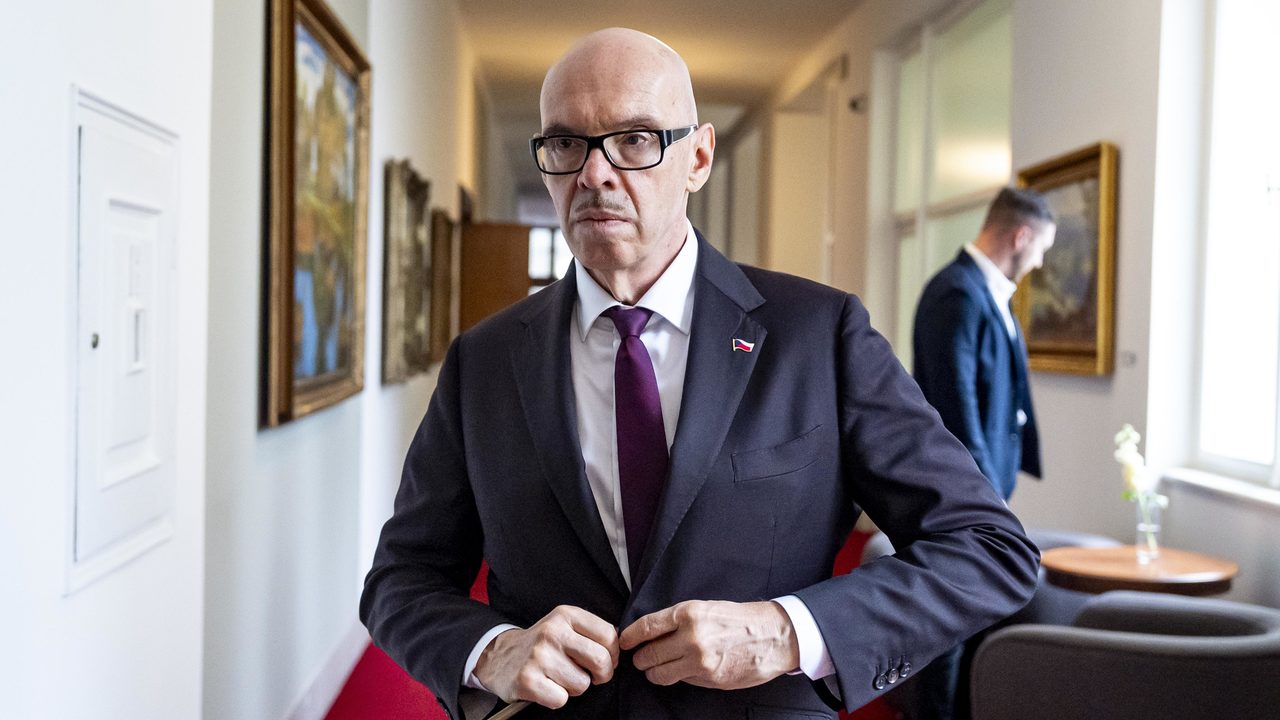
The Czech government will most likely fail to abolish television and radio licence fees from 1 January 2026 as originally planned. According to Karel Klempíř, the minister responsible for the bill, the legislation would need to clear every stage in parliament without delay — something that looks increasingly unlikely given the current climate.
MPs return for their first post-summer session in late August, but the ruling coalition's legislative priorities for the rest of the year won't be decided until 17 August. That decision will determine whether the reform of public-service media financing makes it onto the agenda in time.
Klempíř has outlined his preferred timetable: a first reading in late August, a second in early November, and a third — with final approval by the Chamber of Deputies — in the second half of November. The bill would then need to clear the Senate and be signed by the president in December in order to take effect before the end of the year.
The minister himself admits, however, that this is only the ideal scenario. "If the debate is accompanied by large-scale obstruction from the opposition, or other delays it has already threatened, the law's entry into force will probably be pushed back," Klempíř said. A source close to the minister confirmed to the outlet that the January deadline is most likely unrealistic.
The opposition has made public media financing one of its key battlegrounds and has already signalled it is ready to stage mass obstruction in the Chamber of Deputies. The bill is also expected to be sent back for reconsideration by the Senate, where opposition parties hold a majority. A presidential veto cannot be ruled out either: President Petr Pavel has voiced reservations about the planned changes.
Amid the uncertainty surrounding the legislation, Czech television and radio broadcasters funded by licence fees are already preparing crisis budget scenarios in case the reform drags on and the current financing model isn't changed in time.
Source: novinky.cz