"She Ignored Every Warning Sign": How a Prague Woman Nearly Lost Her Savings to Phone Scammers
USD 21,28
Popular
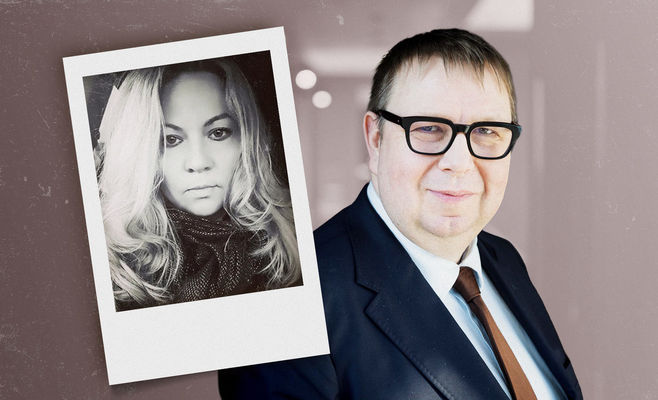
Phone scammers continue their mass assault on bank accounts across Czechia — the latest incident took place on 8 May, a public holiday, when a 30-year-old woman with a university degree, who asked to be called Kateřina, narrowly avoided falling victim to fraudsters.
Early in the morning, she received a call from someone claiming to be from her bank, informing her that a credit card for 200,000 crowns had supposedly been issued in her name at a branch. When she insisted she had ordered no such thing, the caller said this was "strange" and promised that the "security department" would call her back within half an hour.
The call did come: the fake bank employees claimed they were investigating a "personal data leak," and that the card application had allegedly been submitted by someone in Karlovy Vary. It was at this point that Kateřina recalled a similar story from an acquaintance whose account had supposedly been frozen by the Czech National Bank (ČNB) over an identical scam. Yet the alarm bell still didn't go off — she kept talking to the scammers.
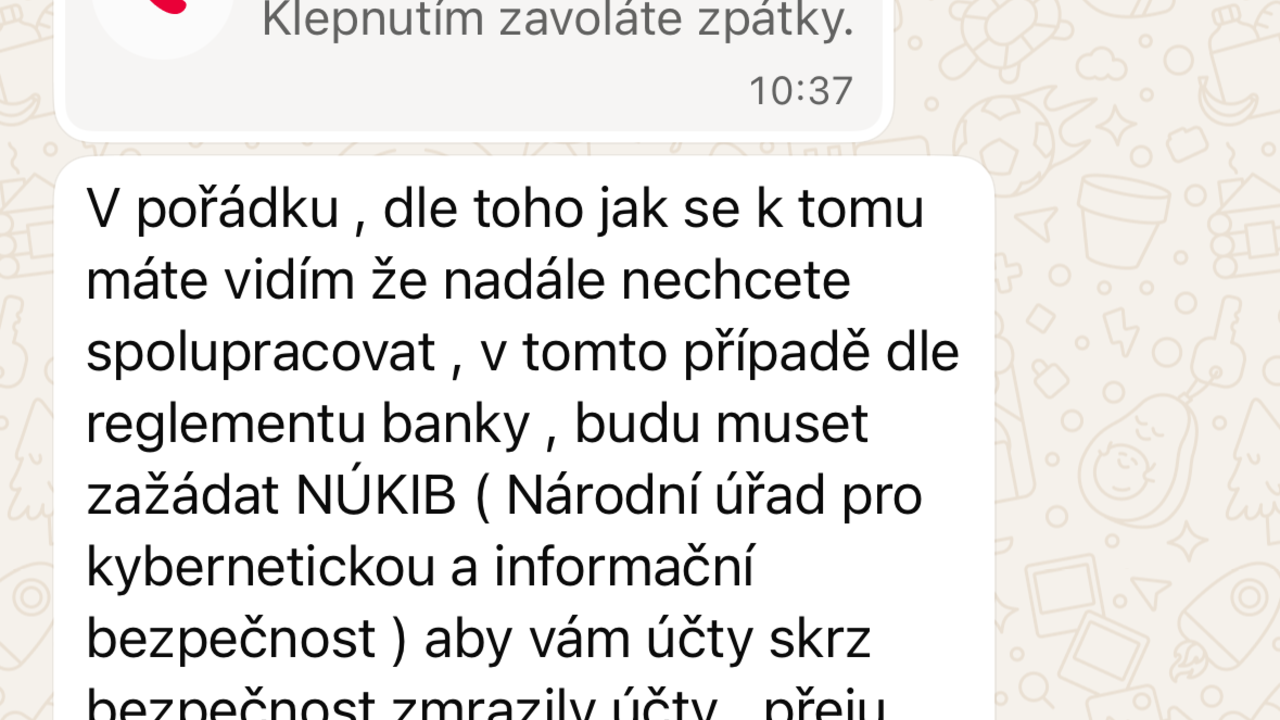
Next came a call supposedly from the ČNB, offering her a choice: either fully block her bank identification (including access to the state information system) or open a "reserve account" to transfer her funds into. Via WhatsApp, she was sent a link to a site with a gov domain, convincingly designed, though missing the usual header with personal details. Under pressure, she signed the documents right there on her phone's touchscreen.
After that, fake login documents arrived, styled to resemble a ČSOB payment page — complete with a field for transferring money. This, Kateřina says, was when "the red light finally came on": she remembered a public warning about scams and recalled her bank advisor telling her that transferring money herself was never acceptable under any circumstances — blocking an account can only be done in person, at a branch.
When she refused to transfer the funds, the scammer threatened that she would be contacted by the criminal police. She hung up — and just 20 seconds later, the phone rang again. That was what finally convinced her: real police could never respond that fast. She then called the police emergency line, 158, from a different phone.
The officers on duty confirmed she had been targeted by an attempted scam and advised her to stop answering any calls or messages containing threats, and to immediately contact her bank's dedicated fraud-reporting line.
In the end, she managed to keep her money, though sorting things out with the bank cost her considerable time and nerves. "Scammers know exactly how to strike the moment a person loses their balance. Your adrenaline spikes, and you stop thinking rationally," she admitted.
According to her, all it takes for the scam to work is an early-morning call, a sick child at home, fear of being locked out of your money for six months, and threats to stay quiet because "your bank advisor is in on it too." "Normally I hang up after a couple of sentences from any suspicious caller. But even I was kept under stress for over an hour. The golden rule is: never, under any circumstances, transfer money in situations like this," she concluded.
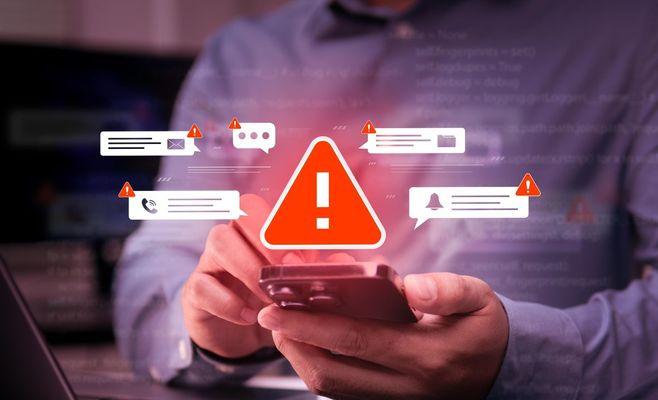
Experts note that this attack combines phishing and vishing techniques — scammers pose as bank or police employees to trick victims, under the guise of "protecting their account," into handing over money or personal data. Such phone scams have been popping up in Czechia with growing frequency.
Read also: Savings accounts in Czechia: bank rates for 2026
Source: novinky.cz