Social Democrats Run Under Other Parties' Banners in Local Elections — Even Alongside Okamura's SPD
USD 21,01
Popular
In the upcoming local elections, the once-influential Czech Social Democrats (SOCDEM) have managed to field just 46 candidate lists under their own name. According to the party, it has joined forces with other politicians in another 123 municipalities, while in more than thirty towns and villages its representatives are running under the banners of entirely different parties.
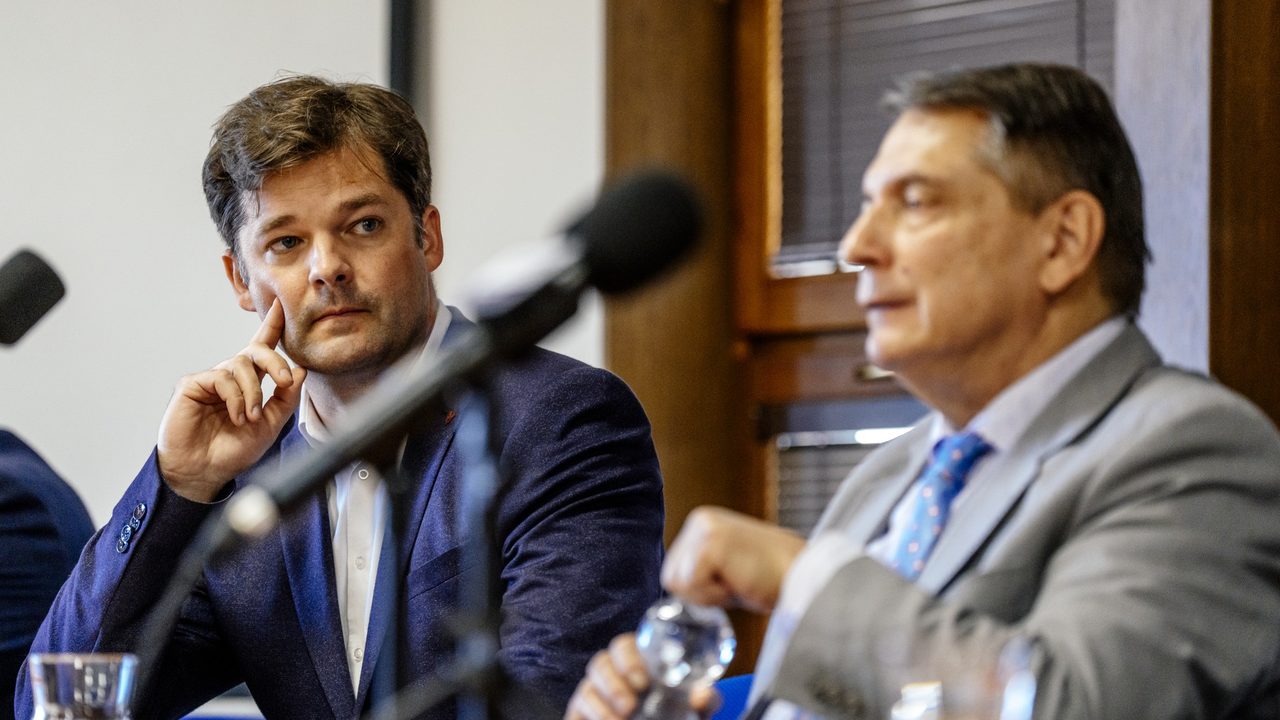
The most controversial alliance has emerged in Kolín, where SOCDEM has teamed up not only with the Communists but also with Tomio Okamura's SPD movement. "We want to unite people, not divide them," the party explained this unlikely coalition on its Facebook page. SOCDEM chairman Jiří Nedvěd said he isn't troubled by the alliance with a party that regularly appears in Interior Ministry reports on extremism. He noted that in local elections the party grants full freedom to its local branches, since SOCDEM itself is undergoing restructuring and cannot offer them sufficient support. "I wouldn't want to bring national-level ideology into local politics," Nedvěd explained.
A Prague Surprise and an Alliance with SPD
Prague politician and SOCDEM presidium member Vilém Čáp is running on the SPD list for the Prague City Assembly elections — a move that required him to suspend his party membership. SOCDEM itself isn't fielding a list for Prague City Hall at all. "Right now we don't have the strength in Prague to put together a proper list. I didn't want to take part in a failed project or accept an undignified spot on another party's list," Nedvěd said.
Running Under Someone Else's Name
In many towns, voters simply won't find the familiar SOCDEM brand on the ballot. In Plzeň and Ostrava, the party is running in alliance with independent candidates under altered names. In České Budějovice, it's part of a six-party coalition called "Pro Budějovice." In Pardubice, SOCDEM members are running on the "Srdcem pro Pardubice" list. Nedvěd himself holds a symbolic last spot on the "Místo pro lidi" list in Kutná Hora. In Česká Lípa, the party has thrown its support behind the Přísaha movement's list.
A particularly curious case has unfolded in Náchod: the list is formally registered under SOCDEM and includes several of its members, yet it's named "Jan Birke for Náchod" — after the long-serving Social Democrat and former mayor. Birke himself, however, has already left the party. "It's a mix of independents and Social Democrats. I personally couldn't take it anymore and left once the SOCDEM chairman started announcing the sell-off of party property," Birke said.
Years of Decline
Despite all its efforts to build alliances, the results of this year's local elections are set to deal SOCDEM yet another blow after a string of defeats. Before the 2014 elections, the party regularly won more than four thousand seats in town and municipal councils nationwide. Since then, its support has steadily eroded: in the last elections in 2022, it secured just 799 seats. Given the sharp drop in the number of its own candidate lists this time, the outcome is likely to be considerably weaker still.
Nedvěd declined to say what he would consider a success this year. "I suppose we don't need to put a number on it. It varies by region — in North Moravia, for instance, we have a chance of a good result, while in other regions the party will need time to rebuild," he said.
Following the last local elections, a number of Social Democrats left the party for good and moved to rival camps. Martin Netolický, the long-serving governor of Pardubice Region who has run under his own brand for some time, has now definitively parted ways with SOCDEM and is this year cooperating with Martin Kuba's movement. Tomáš Kratochvíl, the longtime mayor of Brno's Bystrc district, has also left the party — he now heads the Motoristé (Motorists) movement's list in Brno. And in Písek, the Social Democrats lost Michal Turek, chief physician at the local hospital, who is now running with the independent group Hlas Písku (Voice of Písek).
The party has repeatedly lost prominent figures over the years — some left in protest against the joint list with the Stačilo! movement in the parliamentary elections, others departed after that project, led by Jana Maláčová, collapsed. Supporters of former chairman Vladimír Špidla tried to reclaim the leadership, but Jiří Nedvěd, once an ally of Maláčová's, became chairman instead. Špidla and his supporters subsequently registered their own brand, "New Social Democracy" (Nová sociální demokracie). Separately, a group around Jiří Paroubek continues to operate on the political scene under the party's old abbreviation, ČSSD.
Read also: Brno: What to See and Where to Go
Source: seznamzpravy.cz