Soutok Reserve in South Moravia Is Drying Out: Trees and Meadows Are Dying
USD 21,01
Popular
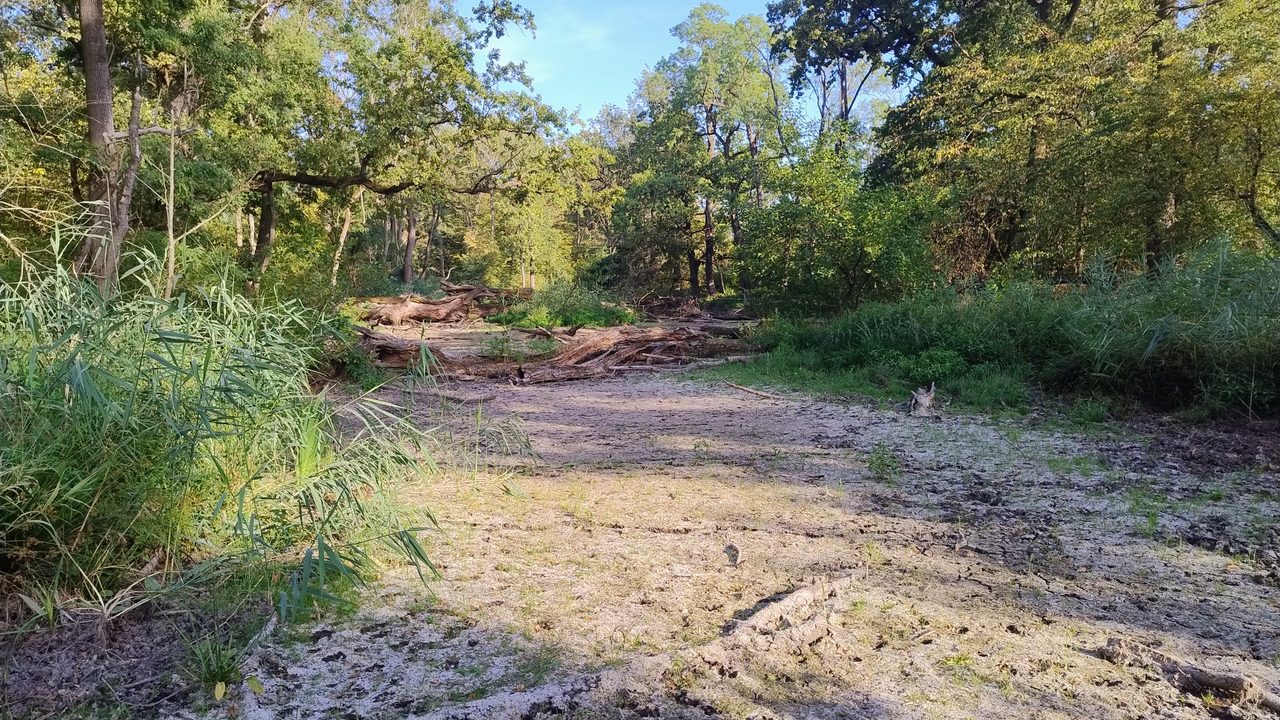
In the Soutok protected landscape area in South Moravia, at the confluence of the Morava and Dyje rivers, drought conditions are intensifying: the soil has cracked, wetlands have dried up, and vegetation is wilting. According to the reserve's director, Ridl, these are only the visible signs of deeper and more dangerous changes to the water regime that are gradually but fundamentally reshaping the future of the entire floodplain.
The floodplain landscape has historically depended on regular flooding — for centuries, seasonal floods shaped the mosaic of marshes, ponds, wet meadows and sandy elevations known locally as "hrůdy." This diversity of habitats, the expert says, is the foundation of Soutok's exceptional biodiversity.
Trees and Meadows Are Losing Strength
Years of prolonged drought are weakening trees, making them more susceptible to disease and pests. The root systems of centuries-old oaks can no longer adapt to the falling groundwater level. In the meadows and undergrowth, moisture-loving plant species are being pushed out by more drought-resistant ones — floodplain plant communities are gradually shifting toward drier ecosystems.
"The drought is sharply increasing the risk of complete degradation of forest ecosystems. And this isn't just about Soutok — it's a broader situation across South Moravia, and we still can't fully grasp the consequences," the reserve's director warned.
The situation is being made worse not only by the heat but also by the oak lace bug, a tiny true bug native to North America that feeds on the sap in leaves. According to a representative of the Czech Nature Conservation Agency, this small pest can significantly speed up a tree's decline.
The crisis is also affecting the meadows, where a shortage of water is altering plant composition. Flowers typical of the area are gradually disappearing, replaced either by foreign species or by more aggressive native ones, such as reed canary grass. The expert noted that this process could turn out to be irreversible in the long run. The floodplain was already suffering from water shortages back in spring — precisely the season when the ecosystem needs it most.
Rivers Are Shrinking Along with the Soil
The natural cycle of floods and droughts is part of the floodplain's life. But the future of the floodplain forests and meadows depends on whether water regularly returns to the floodplain each spring and how long it stays. To preserve Soutok's ecosystem, it's essential to maintain periodic flooding, a network of channels and marshes, and to improve the connection between the rivers and the floodplain, the reserve's director noted.
The trouble is that the rivers themselves are shrinking. According to the river authority Povodí Moravy, the flow of the rivers it monitors is currently a third lower than in other years. Spokeswoman Jana Kučerová said that the August flow at all monitored sections is noticeably below the long-term average — running at just 13–58% of normal volume, with seven out of ten monitored points not even reaching a third of their usual level.
The situation remains unfavorable in the Dyje river basin as well. Povodí Moravy's general director, David Fína, stressed that a comparison of rainfall, river flow and reservoir water levels confirms a widespread drought across the Morava and Dyje basins. The weather forecast for South Moravia offers little hope of rain in the coming days — apart from brief, localized downpours that could only temporarily improve conditions in isolated spots.
Read also: 8 best swimming spots near Prague: lakes, quarries and beaches within an hour of the capital
Source: novinky.cz