The chase for record-breaking catfish: trophy fishing in Czechia often kills the fish
USD 21,04
Popular
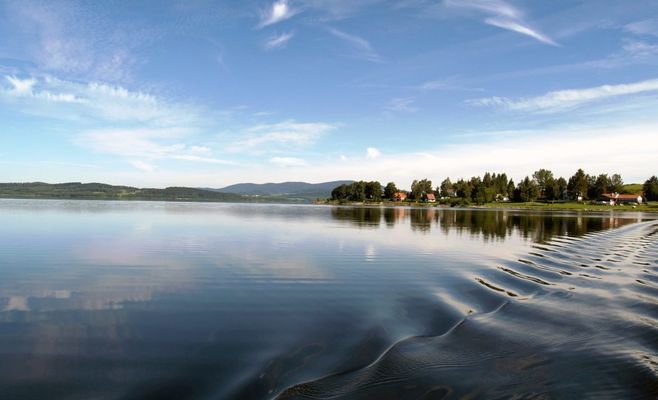
Giant catfish are turning up in Czech rivers more and more often — just recently, young angler Matyáš Prokopius pulled two fish measuring nearly 2.5 metres each out of the Orlík reservoir, with each fight lasting about 25 minutes. Scientists, however, warn that the hunt for trophy catfish is almost always harmful to the fish itself, even when it's released back into the water afterwards.
Why catfish have become such popular prey
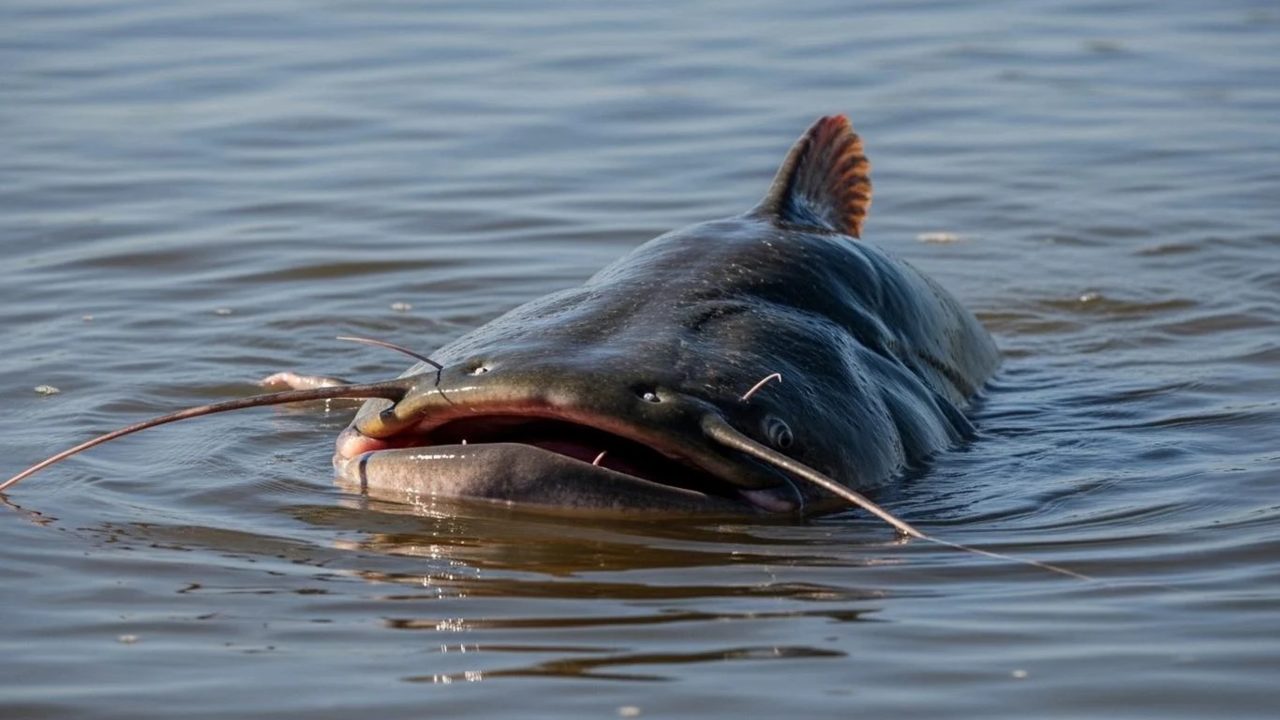
The wels catfish is Europe's largest freshwater fish and its top river predator. According to Martin Čech, a hydrobiologist at the Biology Centre of the Czech Academy of Sciences, landing a trophy specimen earns an angler lasting respect within the fishing community. That's precisely why angling associations have been increasingly stocking Czech waters with catfish: according to experts, catches of this fish rose by 400% between 1990 and 2015.
Modern equipment has also played a role in this boom. Where anglers once spent hours by the water with heavy bamboo rods, today's fishermen use chemically sharpened hooks, high-strength braided lines, lightweight rods and 3D sonar that scans the riverbed to reveal large fish lurking below. Catfish fishing has become so popular that travel agencies now organise dedicated trips for it — to Italy's Po Valley, for instance, or Spain's Ebro River, where the species was introduced in 1974 and is now considered a dangerous invasive predator with no natural enemies.
Why chasing records is so dangerous for the fish
From a scientific standpoint, catching record-sized catfish yields almost no new knowledge, notes biologist Lukáš Vejřík from the Department of Fish and Zooplankton Ecology at the Biology Centre of the Czech Academy of Sciences. He points out that, ecologically speaking, there's no meaningful difference between a specimen measuring 180 centimetres and one measuring 260 — the value of such a catch lies purely in its status as a trophy for the angler.
Yet the fight itself, even when carried out by the book, takes a serious toll on the fish. "During a prolonged struggle, the fish's body undergoes a sharp acidosis, similar to what marathon runners experience," Vejřík explained. If anglers then spend a long time photographing their catch on shore, the catfish has no chance to recover or clear the lactic acid from its system — and if it's subsequently released into warm, shallow water, it may well die.
The deadly risk of hauling fish into a boat
An even greater danger comes from boat fishing, where the fish is hoisted aboard at the end of the fight, usually by grabbing the lower jaw with bare hands or special grips. Specimens weighing more than 100 kilograms are no longer rare, and controlling such a bulk is no easy task. Sudden impacts against the boat's hard side often cause irreversible damage to the fish's soft internal organs. According to Vejřík, such a catfish may swim off after release, only to die hours later from internal bleeding and organ failure.
Experts from the Institute of Hydrobiology at the Czech Academy of Sciences advise anglers who intend to release their catch to minimise the time the fish spends out of water, avoid hauling it onto the bank unnecessarily, use a wet, soft mat for measuring, keep the fish in the shade, and continuously pour water over it, including the gills. And if the hook has seriously damaged the fish's gills or stomach during capture, specialists recommend against trying to save it — instead, it should be humanely killed and put to proper use.
Read also: 8 best places to swim near Prague: lakes, quarries and beaches within an hour of the capital
Source: denik.cz