"The Communists Didn't Have Time to Ruin It": What the Spa Town of Karlova Studánka, Where Havel Once Recovered, Looks Like Today
USD 21,08
Popular
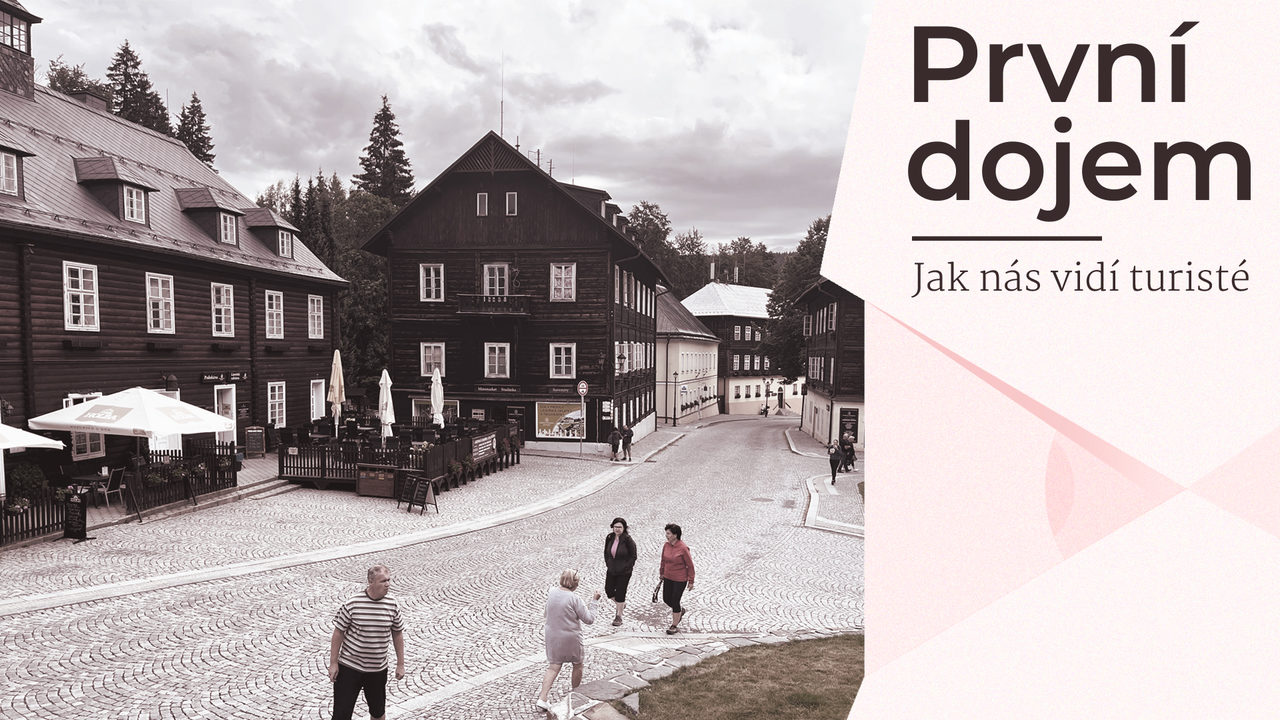
The spa village of Karlova Studánka, tucked away in the Jeseníky Mountains of northern Moravia, left a strong impression on visitors thanks to its remarkably well-preserved historical architecture. This is the same resort where former Czech President Václav Havel spent three weeks recovering his health back in 2000. The findings come from a summer series of interviews gauging tourists' first impressions of Czech landmarks.
Founded in 1780, the resort proudly bills itself as the place with the cleanest air in Central Europe. Fewer than two hundred people live here year-round, and visitors are greeted by a sign proclaiming it "the highest-altitude spa in the Czech Republic... with the cleanest air in Central Europe."
The heart of the village is lined with villas and treatment buildings dating from the late 18th to early 20th century, all sharing the same unified style — dark wood cladding paired with white-framed windows. Even the street signs, lamp posts, litter bins, and the local supermarket building follow this architectural theme — nothing here breaks the visual harmony.
"It's remarkable that the Communists never got around to ruining this place," one tourist from Ostrava remarked, comparing the village to other Czech spa towns whose historic character was damaged by poor development decisions in the latter half of the last century. Unlike Luhansk, he noted, no "concrete monsters" ever sprang up here.
One regular visitor, a woman born in 1945 who was making her fifteenth trip to the resort, recalled that President Václav Havel had stayed here in 2000 together with his wife, Dagmar Havlová. "They say the climate and air here are just like in Davos, Switzerland," she added.
The resort has also been at the center of a significant scandal: back in January, police launched a criminal investigation into the spa's commercial director over suspected manipulation of public procurement, in connection with a tender for replacing windows in one of the treatment buildings. The resort's director was subsequently suspended and later resigned from the post. Since late July, the state-run enterprise has been led by a new director, who previously headed the Lázně Teplice nad Bečvou spa.
Most of the historic buildings are protected as heritage examples of rural architecture and belong to the state or the municipality — a fact that has helped the village avoid the kind of chaotic private development and "visual clutter" of advertising seen elsewhere; there is almost no commercial signage here at all.
Mayor Radka Chudová acknowledged that tourists' first impressions are largely positive, though there's still room for improvement: some pavements, roads, green spaces, and playgrounds are in less-than-ideal condition. She noted that the resort's development had been seriously held back in past years by lengthy legal disputes, but the situation is now changing, with authorities working on several projects to upgrade the infrastructure.
Read also: The Main Landmarks of the Czech Republic
Source: seznamzpravy.cz