"The State Lost Control of the Street for an Hour": 81 Years Since the Massacre of Germans in Ústí nad Labem
USD 21,08
Popular
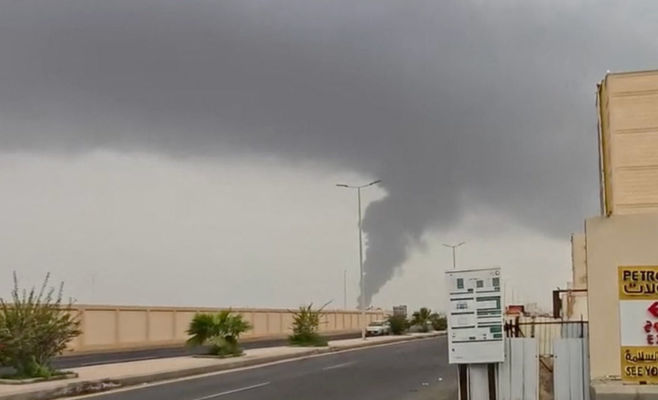
On 31 July 1945, an explosion at an ammunition depot in the Krásné Březno district of Ústí nad Labem triggered a mass reprisal by Czechs against the city's German-speaking residents. Historians estimate that several dozen people were killed, though the exact death toll has never been established.
The cause of the explosion itself remains unclear to this day: theories range from sabotage by Czechoslovak intelligence services to the actions of the Nazi "Werwolf" underground, or simple accident. But it was this blast that set off a mass psychosis among Czechs that went down in history as the "Ústí Massacre."
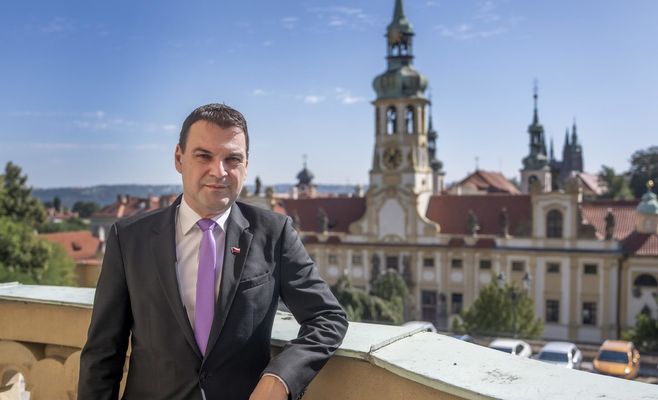
"Someone started shouting that the Germans were to blame. One fanatical German Nazi began shouting slogans in praise of the Third Reich. A brawl broke out, fists started flying, and then people began being thrown off the bridge into the Elbe — they even shot at those trying to swim away," recounts historian and senator Martin Krsek, an independent deputy from the SEN 21 movement.
Krsek's great-grandfather was among those thrown from the Dr. Edvard Beneš Bridge in the centre of Ústí nad Labem by the enraged crowd — unlike many others, he managed to survive. "For about an hour, the state lost control of the street here. It was outright mob justice in broad daylight. An unknown number of victims were carried away by the Elbe's current — the bodies were most often found abroad, in Königstein, Germany, where they were buried," Krsek adds.
It took about an hour to bring the crowd under control, with the help of Czechoslovak troops and reinforcements from the National Security Corps. Those responsible for the killings were never punished.
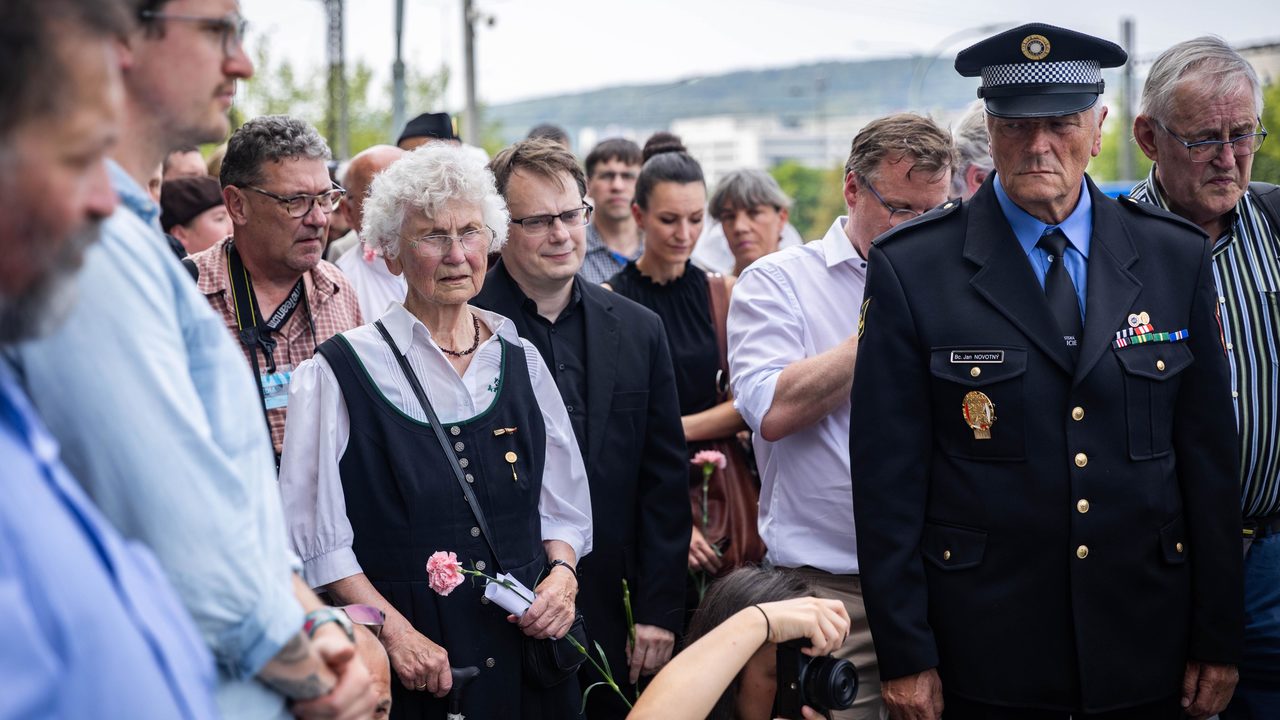
Bridget Gottmann, an 87-year-old witness to those events, was a six-year-old girl in 1945, but she still remembers what she saw: "I saw dead bodies floating in the Elbe." Along with her mother, siblings and grandparents, she was forced to leave her home in the borderlands. "We were driven away from everywhere — both East and West Germans told us to go back home. Nowhere were we accepted as one of their own," she recalls.
Despite what she went through, the woman has returned to Czechia almost every year for the past three decades to attend the memorial ceremony for the victims of the massacre. This past Friday, several dozen people gathered in the industrial zone of Krásné Březno, where the ill-fated ammunition depot once stood, before walking to the railway bridge — where German was the language most often heard.
"For a long time, this tragedy was barely spoken of in Ústí — the topic only began to be openly discussed in the 1990s, and it was German expatriate associations, not local authorities, who initiated the first memorial events. The city only joined in 2005, installing a memorial plaque on the bridge — one of the first instances in the country where official authorities decided to commemorate such an event," explains Martin Krsek. According to him, in the years since, interest in the anniversary has noticeably waned, both among city officials and the public.
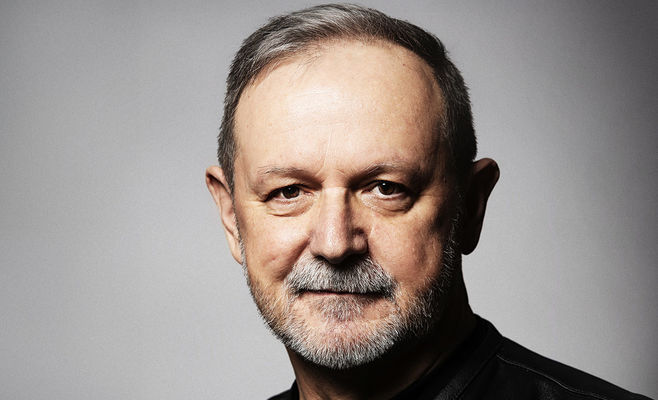
The theme of Czech-German reconciliation is also close to the heart of Prague's new archbishop, Stanislav Přibyl, who until recently served in Litoměřice in northern Bohemia and continues to temporarily administer the diocese there. It was he who declared this year a "year of reconciliation": monthly services are being held at sites connected to the wartime and post-war traumas of Czechs and Germans alike — including in Postoloprty, where Czechoslovak soldiers and members of revolutionary guard units killed hundreds of mostly German civilians without trial — and, this past Friday evening, in Ústí nad Labem itself.
"We decided to recall one story each month and pray for reconciliation," explains Přibyl, stressing that what matters is not the number of attendees but the "process of healing memory" itself. According to him, the post-war expulsion of Germans is still felt in many border regions today: "It has always outraged me that this region became so impoverished and neglected — before the war, life here was thriving, and it generated a significant share of the country's gross output, while today it is, in essence, a depressed region with socially excluded areas."
According to the archbishop, honesty in how we speak about the past is the first step toward healing this wound. "I used to choose softer words too, so as not to sharpen the edges. But what happened here 81 years ago was a genuine massacre. In the same way, we say the 'resettlement' of Germans, as if they simply went off on a stroll — while in German it's called 'expulsion,' meaning something forced. We need to find the courage to call things by their proper names," Přibyl told worshippers on Friday evening at the Church of the Assumption of the Virgin Mary in Ústí nad Labem.
Read also: Free Czech courses for foreigners: where to study
Source: seznamzpravy.cz