Tick-borne encephalitis is more dangerous than it seems: nearly half of patients suffer lingering effects six months later
USD 21,23
Popular
Nearly 45% of patients hospitalised with tick-borne encephalitis are still dealing with long-term effects of the disease six months after infection — chronic fatigue, headaches, and problems with memory and concentration. That's according to the authors of a new multicentre observational study conducted by doctors from Charles University's Second Faculty of Medicine and Bulovka Hospital.
The study included 209 patients with laboratory-confirmed diagnoses who were treated at Czech hospitals. "We were interested in the course of the acute phase of the disease, but our main focus was on the long-term consequences," said the study's lead author, Martin Slížek, a physician at Bulovka Hospital's infectious diseases clinic.
According to the data, the most common complaint was fatigue (21.9% of patients), followed by headaches (18.7%), reduced mobility (12.3%), memory and concentration problems (11.2%), sleep disorders (10.2%), coordination and balance issues (7.5%), as well as hearing (2.7%) and vision problems (1.1%). Mobility issues are especially common among elderly patients.
According to Jan Kynčl, head of the infectious disease epidemiology department at the National Institute of Public Health, nearly 95% of those infected with tick-borne encephalitis require hospitalisation. As study co-author Dita Smíšková, head of the infectious diseases clinic, noted, there is no specific cure for the disease — doctors can only treat individual symptoms.
"In the most severe cases, patients are in poor condition right from the start. They typically begin treatment in intensive care, are transferred to a regular ward after several days or even weeks, and then most often end up in rehabilitation facilities," she explained. The danger lies in the fact that even a patient whose illness initially appears mild can later develop persistent impairments that prevent them from living a normal life.
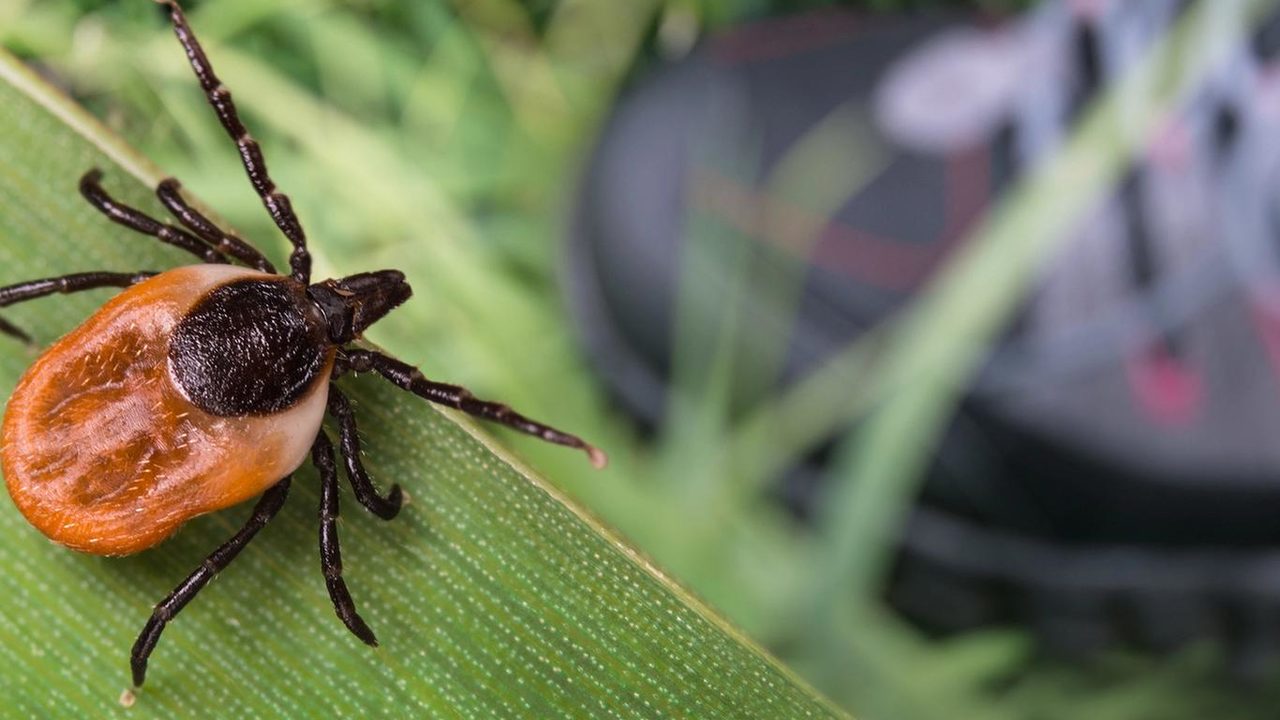
Tick-borne encephalitis is a viral inflammatory disease of brain tissue, in which the virus can affect the meninges, brain, and spinal cord. Infection can occur as soon as two hours after a tick bite. According to Czech doctors, the country diagnoses between 500 and 800 cases of the infection every year.
Experts strongly recommend vaccination — in severe cases, the disease can be fatal. The best time to get vaccinated is winter, but it can be done at any time of year. The standard schedule involves three doses of the vaccine spaced several months apart, while the accelerated schedule uses two doses two weeks apart, with stable immunity developing roughly 14 days later. For people over 50, the vaccine is covered by public health insurance; everyone else must pay out of pocket — one dose costs a few hundred crowns, up to around a thousand, though insurance companies may reimburse part of the cost from their prevention funds.
Before heading outdoors, experts advise checking tick activity levels — this can be done via the Klišťápka mobile app or the website of the Czech Hydrometeorological Institute, which regularly publishes regional data. Ticks can be found not only in tall grass, forest edges, shrubs and meadows, but also in city parks.
Epidemiologist Rastislav Maďar has linked rising tick activity to climate change: "The common tick doesn't like drought or heat. Although it's originally a Central European parasite — the disease it carries used to be called Central European tick-borne encephalitis — in some places it's now too warm for it here. That means the peak of tick activity now falls in spring and autumn rather than summer. What's more, ticks are increasingly spreading northward — there's already a serious problem with them in the Baltic states and southern Scandinavia."
That said, summer remains the most dangerous period for both tick-borne encephalitis and Lyme disease (Lyme borreliosis), for which no vaccine exists. Last year's data showed that 60% of tick-borne encephalitis cases and 59% of Lyme disease cases occurred between July and September.
With Lyme disease, an infected person typically experiences fatigue, muscle pain, and often swelling of the knee joint. "Lyme disease can be treated with antibiotics, and more than 95% of cases are treated at home," Jan Kynčl noted. The disease can present with a characteristic red rash at the bite site, and infection occurs roughly 24 hours after the tick attaches. A more severe form, neuroborreliosis, can cause severe headaches and back pain. Doctors diagnose Lyme disease in about 3,500 to 4,000 people each year.
The National Institute of Public Health reminds people of basic tick-prevention rules: wear light-coloured, smooth clothing (trousers in particular), use repellents (though these are roughly half as effective against ticks as against mosquitoes), avoid sitting or lying on the ground in risk areas, stick to marked paths, and steer clear of tall grass and shrubs. After being outdoors, check your body carefully — especially behind the knees, the groin area, armpits, and behind the ears, and on children, check under the hair on the scalp. Any tick found should be removed immediately.
Source: denik.cz