Ukrainian drones hit Russian refineries' "pain points" — attacks grow markedly more effective
USD 21,26
Popular
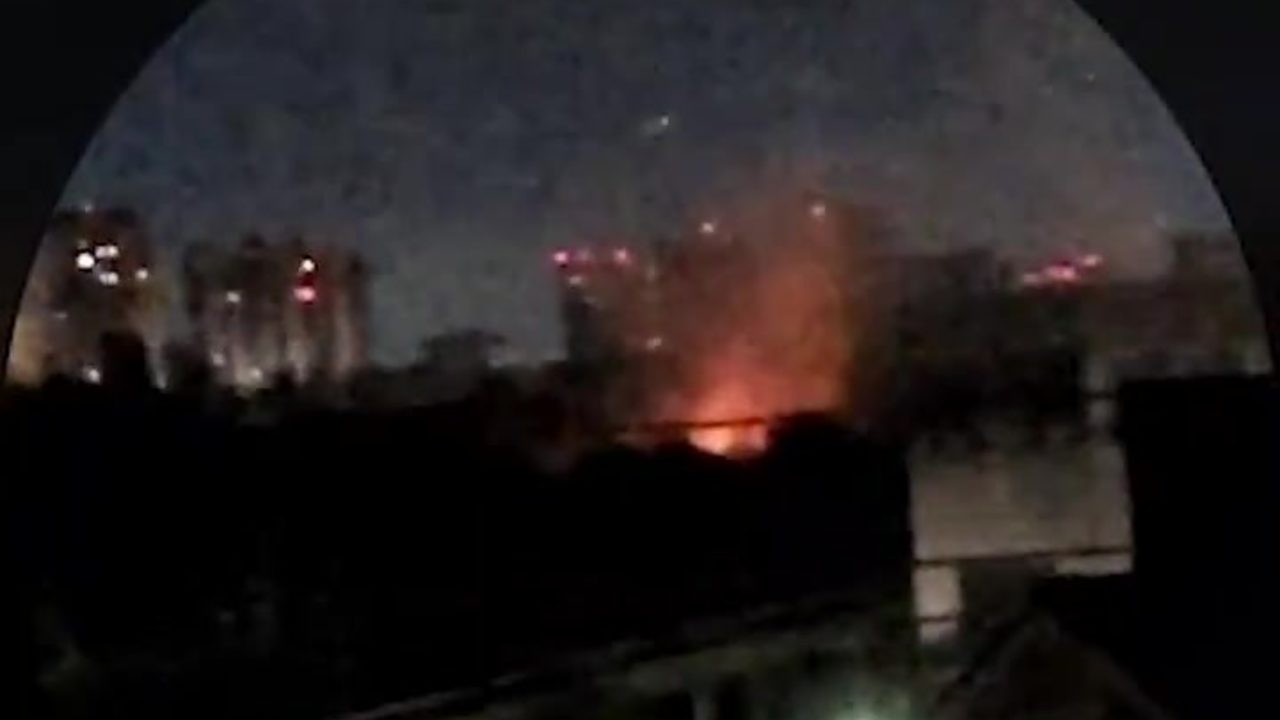
Ukraine's military has shifted its tactics in drone strikes on Russian energy infrastructure: instead of targeting broad areas, drone operators are now aiming at specific units within oil refineries — the ones whose repair takes the most time and money. According to the Financial Times, citing Ukrainian servicemen involved in these operations, the new approach is already paying off.
«Precision strikes knock refineries out of action for extended periods, and as a result, they're costing Moscow more and more,» the newspaper quotes Ukrainian military sources as saying.
Drone operators select their targets based on technical analysis prepared by energy engineers and other specialists. According to the Unian news agency, citing the Financial Times, experts advise the military which components are critical to a refinery's operation and which parts would take the longest to replace.
Russia and Ukraine use similar Soviet-era energy systems, meaning engineers from both countries have an equally deep understanding of how these industrial facilities are built.
Each drone strike is planned with several possible targets in mind. If air defenses prove too strong or navigation problems arise, the drone is redirected to a backup target — so the mission isn't wasted.
Strikes on major oil storage facilities also continue — as happened on Tuesday, when drones fitted with fragmentation warheads attacked a state oil reserve depot in Udmurtia.
Targeting the network's key nodes
Ukraine has also begun treating Russia's energy system as a single interconnected network, where hitting key nodes multiplies the effect of an attack many times over.
«By mapping the dependencies between refineries, substations and power lines, Ukrainian planners are identifying nodal points where even a relatively small warhead can trigger disruptions whose consequences reach far beyond the blast site itself,» the Financial Times notes.
In addition, Ukrainian drone units have started striking the same key facilities repeatedly, even before repairs are completed, to prevent them from resuming operation.
According to media reports, the attacks have already triggered a fuel crisis in several Russian regions. Since June, almost every region in the country has introduced restrictions on the sale of gasoline and diesel — in most cases, authorities have capped how much fuel a single customer can purchase.
The Russian government is trying to cope with the fuel shortage partly by banning exports of gasoline, diesel and jet fuel. At the same time, Russia is ramping up fuel imports from abroad.
Source: novinky.cz