US weakens protections for endangered species: Trump administration to allow hunting of "potentially threatened" animals
USD 21,04
Popular
The administration of US President Donald Trump has scrapped a rule that had been in place for more than fifty years, one that automatically granted species classified as potentially threatened almost the same level of protection as species facing imminent extinction. The change was announced by the US Fish and Wildlife Service.
The shift applies to species newly added to the list — they will no longer be automatically protected from killing, capture or harassment. Instead, the agency will decide on specific restrictions on a case-by-case basis for each species.
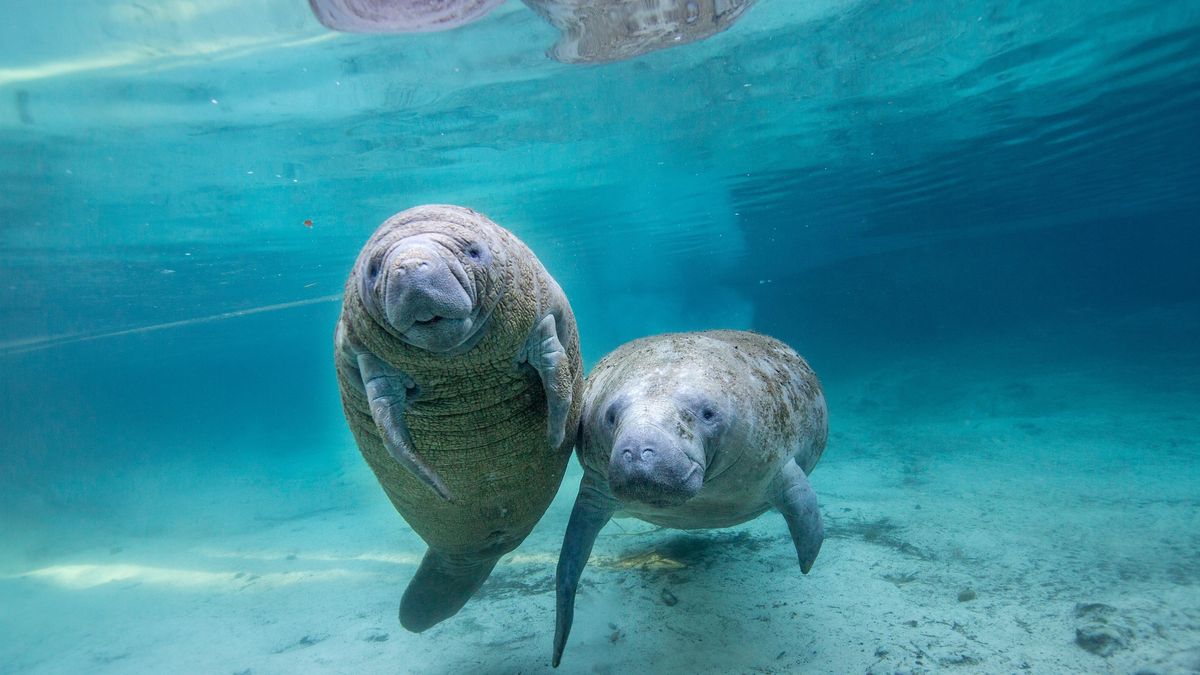
According to The Washington Post, the new rules could eventually affect species such as the Florida manatee and the western jackrabbit, whose protection status is still under review.
At the same time, the US Department of the Interior has introduced another rule: when designating so-called critical habitats for protected species, officials are now required to take economic impact into account — previously this factor was optional.
The Trump administration justifies the changes as an effort to strengthen US energy independence, ease the regulatory burden, and simplify the approval of new construction projects. Interior Secretary Doug Burgum said the Endangered Species Act had long been used to block development projects, and that the new rules would provide greater legal certainty and boost the competitiveness of the US economy.
Environmental organizations warn that the reform will seriously undermine wildlife conservation. Earthjustice called the new rules a step that favors business interests at the expense of endangered animals.
Critics also point out that reviewing each species individually could significantly slow down the entire process — especially given that, after staff cuts, the agency is now short hundreds of biologists.
According to the US Fish and Wildlife Service, decisions are still pending for more than 500 plant and animal species. Opponents of the reform fear that, due to staff shortages and new bureaucratic procedures, some species will have to wait even longer for protection. Supporters of the new approach, however, argue that individual assessments will allow conservation measures to be better tailored to each species and will encourage population recovery.
Source: seznamzpravy.cz