Alberta Voters Reject Starting a Path Toward Leaving Canada, Early Results Show
USD 21,69
Popular
Voters in Alberta, Canada's oil-rich province, overwhelmingly rejected a proposal to begin a process toward independence, according to early unofficial results from Elections Alberta reported Tuesday. The outcome gives Prime Minister Mark Carney a boost in his push for national unity at a time of U.S. President Donald Trump's trade war and annexation threats, ABC News and NPR reported.
Separatist leaders conceded little, however. They said the vote showed that a once-fringe cause has become a movement that will not go away.
What exactly were Albertans voting on?
The referendum was not a direct vote on independence. A yes result would have set Alberta on a path toward a later vote on separation from Canada. Voters instead decided whether to start that process at all.
Premier Danielle Smith called the referendum amid pressure from separatists inside her governing United Conservative Party, even though she opposes independence.
How lopsided were the results?
The counts differed slightly between outlets as ballots were tallied. ABC News reported that with more than 1.5 million votes counted, 76% backed remaining in Canada and close to 24% supported beginning a separation process. NPR, citing more than 1 million votes counted, put the split at 77% to 23%. Both described the figures as unofficial.
Results were delayed after late openings forced more than 100 polling stations to extend voting hours Monday.
What did political leaders say?
Carney said Albertans had made a clear choice for unity, adding that they had chosen to build together and look after one another. "Albertans chose Canada," he said. He said the result would help Canadians move forward together and speed up efforts to diversify trade, build major infrastructure and make Canada a global energy powerhouse with Alberta at its center.
Smith welcomed the early results on social media, saying they showed Albertans want a stronger Alberta within a united Canada. She said she would address the province Tuesday evening about the results and Alberta's future.
Thomas Lukaszny, a former Alberta deputy premier who led the Forever Canadian campaign against separation, told supporters the country is united from coast to coast.
How are separatists responding?
Keith Wilson, a leader of the separatist movement, said final results were not yet in and the numbers could shift. Even so, he said, at least a quarter of Albertans feel the province needs to be treated better.
Jeff Rath of the Alberta Prosperity Project, speaking at a separatist gathering in Edmonton, said the movement had dominated the conversation over the past year and would keep going. "We're not going anywhere," he said, according to ABC News. Rath had said he would be thrilled with 30% support for starting the process. He wants Smith removed as leader of the United Conservative Party and said the party could splinter, potentially producing a new pro-independence party.
What does this mean for Alberta and Canada?
For now, the result removes the prospect of a formal path toward an Alberta separation vote. Carney has framed it as a mandate to focus on trade diversification and infrastructure, with energy-rich Alberta central to that plan.
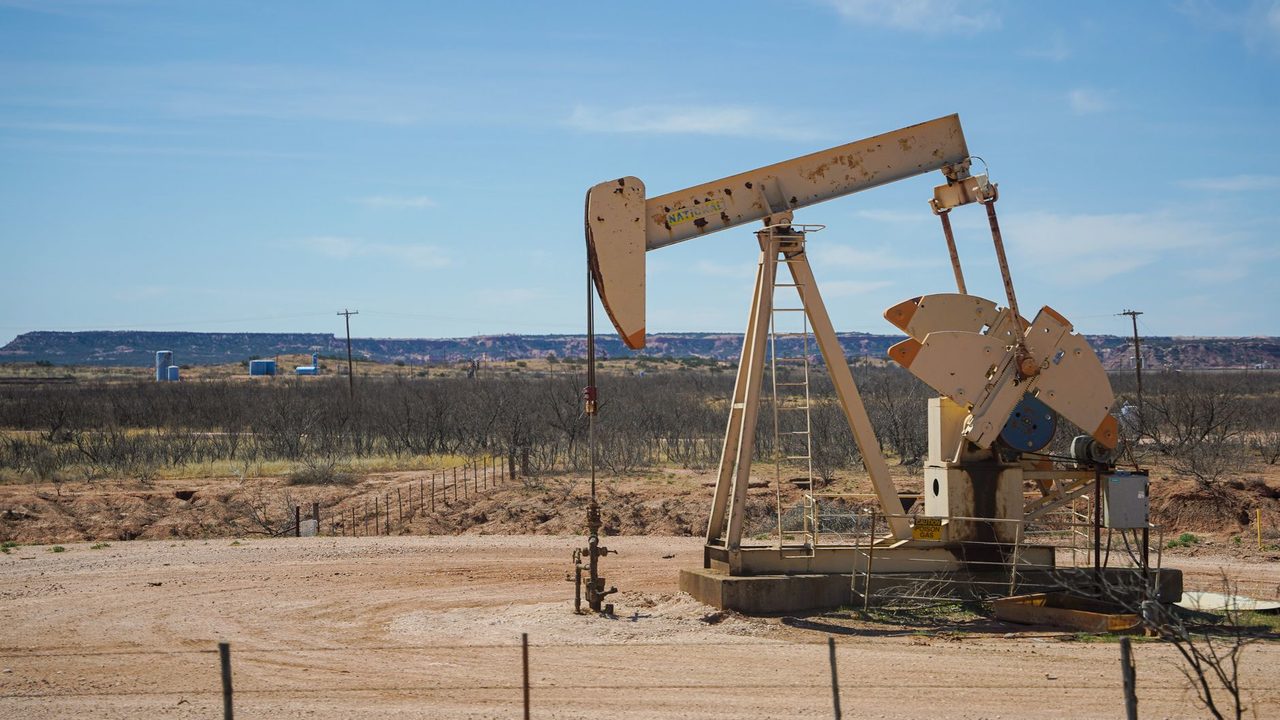
The vote also shows the limits of long-standing frustration in the province. Alberta has the world's fourth-largest proven oil reserves and a conservative political culture often compared to the American West. Resentment toward the federal government in Ottawa runs deep, the reports noted, but has not traditionally become broad support for independence. Former Premier Jason Kenney said separatist parties typically drew only 1% or 2% of the vote, and that anger over COVID-19 restrictions helped energize activists who later embraced the cause.
The reports said Trump's trade war and his threats to make Canada the 51st U.S. state have helped Carney rally support in Alberta, where Liberal prime ministers have historically been unpopular.
Voters interviewed by the outlets reflected the divide. Dustin Degenhardt, a voter in Wainwright, said Albertans have long been treated like a colony by the federal government. Dave Malka of Edmonton criticized spending money on a "referendum on a referendum" instead of health care and said the timing, with Trump threatening Canada, was poor. Jake Graham of Calgary, who attended a Carney rally, said he hoped the result would settle the debate for a long time.
What happens next?
Elections Alberta has yet to release final results, and Wilson said the figures could still move. Smith is expected to speak to the province Tuesday evening. The longer-term questions are whether the separatist movement stays active and whether the United Conservative Party faces a split, as Rath suggested.