Young Czechs Turn Out to Be the Most Willing to Defend Their Country with Weapons
USD 20,98
Popular
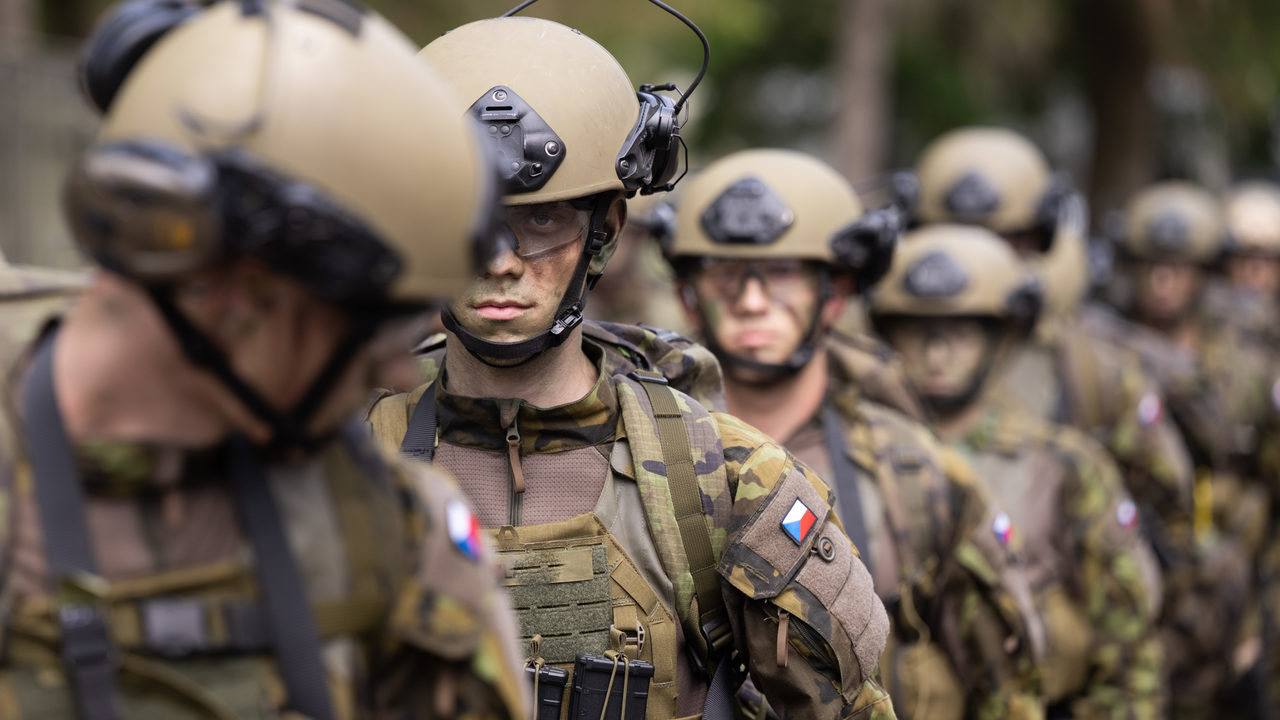
Last week the Czech Army graduated nearly a thousand new reservists — 982 successful graduates completed a month-long voluntary military course for adult school leavers. This marks the third intake of the programme so far, and it's shattering the stereotype of the young generation as fragile, coddled "snowflakes."
Data from the STEM research agency, gathered last summer, is striking: young people aged 18–29 trust the Czech Army more than any other age group — 81% compared to the national average of 76%. And this trust is directly linked to their willingness to defend the country if it were attacked.
A Third of Young People Ready to Take Up Arms
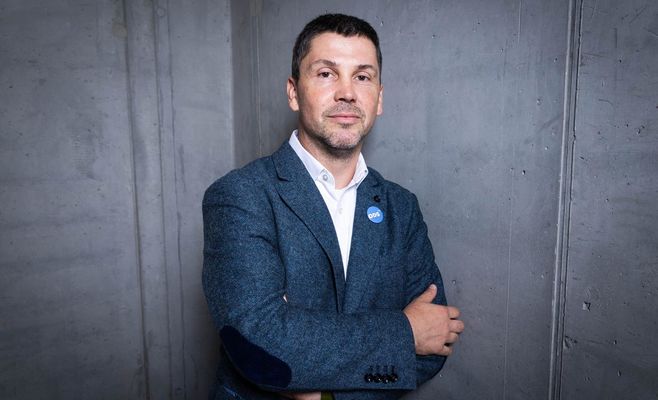
"Among young people, readiness to take part in armed defence is the highest of any age group: 36% of those aged 18–29 said they would defend Czechia with a weapon in hand," says STEM analyst Jiří Táborský. What's more, it's precisely those under 30 who are most likely to opt for a month-long military course — a quarter of respondents in this age group chose that option.
One graduate of the programme, 19-year-old Alex Sohor, admits the hardest part was coping psychologically with just three or four hours of sleep a night. He signed up for the course out of family tradition — his great-grandfather fought in World War II, his grandfather commanded a tank division, and his father is a veteran of modern conflicts. After finishing the course, he decided to become a professional soldier.
The Army Is Expanding Recruitment to the Limit of Its Capacity
Every year, thousands of hopefuls apply to the army through its virtual recruitment centre — last year more than seven thousand people expressed interest, but only around two thousand were accepted. At the same time, the army loses roughly a thousand soldiers annually. According to General Staff spokesperson Zdeňka Sobárňová Košvancová, about 16% of candidates today fail to qualify on health grounds.
The main bottleneck remains the capacity of the training centre in Vyškov near Brno, where all future soldiers undergo basic training. Previously, the centre could train a maximum of 3,500 recruits a year across seven intakes. That's now changing: from September, each intake will grow to 900 people, later stabilising at around 850 people a month. This means nearly six thousand people a year will be able to complete basic training.
The Army Wants to Grow to 40,000 Troops
The Czech armed forces plan to increase their numbers from the current 29,000 to nearly 40,000 troops — the figure that former Chief of the General Staff Karel Řehka estimates is needed for Czechia to meet its NATO commitments in the event of Russian aggression.
Defence Minister Jaroslav Zuna (SPD) has said the army has roughly five years to recruit as many people as possible before the demographic decline starts to bite. However, Luděk Šídlo, head of the Czech Demographic Society, believes favourable conditions will actually last longer — until 2040 — since for another 15 years, the cohorts reaching conscription age will still come from a period when around 110,000 children were born in the country each year.
Why the Army Appeals to Young People
According to Jitka Uhrová, director of research at STEM, today's young generation stands out because it has lived through several major crises in a short span of time — the pandemic, the conflict in Ukraine, and economic hardship. This has left young people feeling more uncertain and anxious about the future than older generations.
Analyst Táborský believes it's precisely against this backdrop that the army can offer young people something rare today — stability. However, he notes, the army will need to adapt somewhat to this generation's expectations, including considering remote work options and shortened working hours for administrative roles.
Read also: Free Czech Courses for Foreigners: Where to Learn
Source: seznamzpravy.cz